
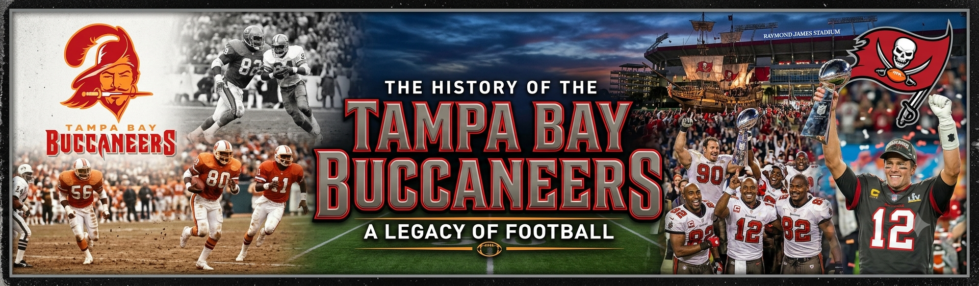
The Tampa Bay Buccaneers have experienced one of the most dramatic transformations in NFL history. Since joining the league as an expansion franchise in 1976, the organization has endured prolonged losing seasons, celebrated championship triumphs, and continually reinvented its identity.
The team’s journey is a fascinating tale that embodies the history of the Tampa Bay Buccaneers.
Every era has contributed to the team’s legacy, from early hardship to defensive dominance and the arrival of legendary quarterbacks. Understanding the Buccaneers’ history reveals how persistence, leadership, and organizational change shaped one of the NFL’s most popular franchises.
The Formative Years of the Franchise
The Tampa Bay Buccaneers entered the NFL in 1976 as part of the league’s expansion plans. Expectations were naturally modest, but the team’s inaugural campaign became one of the most difficult in professional football history. Tampa Bay finished 0-14, struggling on both sides of the ball while adapting to the demands of the NFL. Despite those setbacks, the franchise established a loyal fan base that remained committed even during the early years characterized by growing pains.
The Buccaneers’ evolution continues to attract attention from football historians and fans eager to immerse themselves in franchise history and milestones alongside today’s NFL coverage. This includes resources available through FanDuel Sportsbook that track league schedules, standings, and team developments. It’s noteworthy that interest in the team’s origins has only grown as Tampa Bay evolved into a respected contender.
Although the late 1970s featured more disappointment than success, the 1979 season provided reason for genuine optimism. Under head coach John McKay, the Buccaneers reached the NFC Championship Game just four years after entering the league. The remarkable turnaround demonstrated that competitive football was possible in Tampa, even if sustained success remained elusive.
Unfortunately, the following decade brought frequent coaching changes, front-office instability, and inconsistent drafting. Poor personnel decisions prevented the team from building long-term momentum, while losing seasons became common. By the early 1990s, ownership and management recognized that meaningful organizational change was necessary.
That change began with improved leadership throughout the football operation. The arrival of Tony Dungy as head coach in 1996 introduced discipline, accountability, and a defense-first philosophy. Rather than chasing quick fixes, Tampa Bay committed to building a strong foundation through player development and defensive excellence. That cultural shift would ultimately reshape the franchise for years to come.
The Championship Era From 1997 to 2002
Tony Dungy’s arrival marked the beginning of one of the NFL’s most respected rebuilding efforts. Rather than relying solely on offensive production, Tampa Bay invested heavily in constructing an elite defense capable of competing against any opponent. The Buccaneers quickly became playoff contenders while earning a reputation for physical, disciplined football.
Central to that success was the famous “Tampa 2” defensive scheme. Built around speed, communication, and disciplined coverage, the system maximized the strengths of exceptional defensive talent. Warren Sapp disrupted offenses from the interior line, and Derrick Brooks became one of football’s premier linebackers. At the same time, John Lynch and Ronde Barber completed one of the league’s most complete defensive units.
Although the defense consistently ranked among the NFL’s best, postseason success remained elusive. In 2002, the organization made a bold decision by hiring Jon Gruden as head coach. His offensive experience complemented the already dominant defense, giving Tampa Bay greater balance during an important championship opportunity.
The Buccaneers responded with one of the finest seasons in franchise history. They defeated the San Francisco 49ers and Philadelphia Eagles before advancing to Super Bowl XXXVII against the Oakland Raiders. Tampa Bay delivered an unforgettable performance, forcing multiple turnovers while dominating every phase of the game in a convincing 48-21 victory.
Winning the franchise’s first Super Bowl permanently changed national perceptions. The Buccaneers were no longer viewed as an expansion team defined by early struggles but as champions built on one of the greatest defenses in NFL history. The accomplishments of Sapp, Brooks, Lynch, Barber, and their teammates continue to define one of football’s most celebrated defensive eras.
The Tom Brady Era From 2020 to 2022
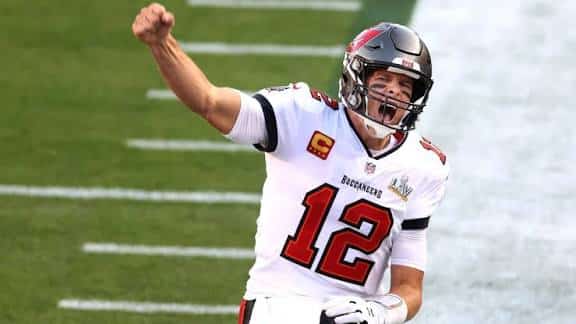
The Buccaneers entered a new chapter in 2020 when Tom Brady signed with the franchise after two decades in New England. His arrival immediately transformed expectations throughout the organization. Tampa Bay shifted from rebuilding toward championship contention almost overnight, with experienced veterans eager to compete alongside one of football’s most accomplished quarterbacks.
The roster surrounding Brady featured impressive talent across multiple positions. Mike Evans remained one of the NFL’s most productive receivers, while Chris Godwin added versatility and consistency. Rob Gronkowski reunited with Brady, strengthening both the passing attack and run-blocking unit. The combination of experienced leadership and established talent created one of the league’s deepest rosters.
That balance produced immediate results during the 2020 season. Tampa Bay navigated the playoffs with victories over Washington, New Orleans, and Green Bay before hosting Super Bowl LV at Raymond James Stadium. The Buccaneers defeated the Kansas City Chiefs 31-9, becoming the first team to win a Super Bowl inside its home stadium. Brady also captured his historic seventh championship ring, highlighting one of the greatest careers in professional sports.
Planning for a Future Beyond Baker Mayfield
After Brady’s retirement, the Buccaneers entered another period of transition. Baker Mayfield emerged as the team’s starting quarterback and provided stability during a potentially uncertain phase. His leadership, experience, and competitive approach helped Tampa Bay remain competitive while allowing the organization additional time to evaluate its long-term plans.
Today, Mayfield is 31 years old and is entering the final season of his current contract with Tampa Bay. As the Buccaneers evaluate their long-term plans at quarterback, the organization has an opportunity to develop younger talent while benefiting from Mayfield’s experience and leadership. Whether he remains the long-term starter or eventually passes the torch to a successor, the coming seasons will help shape the franchise’s next chapter.
The front office continues balancing immediate competitiveness with future development. Building sustainable success requires identifying young talent through the NFL Draft while retaining experienced veterans who establish consistency inside the locker room. Investments in both offensive and defensive positions reflect a commitment to maintaining a balanced roster rather than relying on one position group.
Head coach Todd Bowles continues emphasizing physical defense, disciplined execution, and adaptability. His coaching philosophy preserves many of the defensive principles that have defined successful Buccaneers teams across multiple eras. Maintaining that identity provides continuity even as personnel gradually evolves.
A Legacy Built Through Reinvention
The history of the Tampa Bay Buccaneers reflects resilience, adaptation, and steady organizational growth. From an expansion franchise that endured historic struggles to a team with two Super Bowl championships, every era has contributed to its evolving identity.
Defensive excellence, influential coaching, and transformative quarterback play have each shaped memorable chapters. As the organization continues preparing for the future, the Buccaneers remain focused on preserving a proud legacy while pursuing sustained success in the NFL’s next generation.