
Some NBA teams have switched cities more often than they’ve switched coaches. While fans love jerseys and highlight reels, location changes often create tension, surprise, and fresh chapters.
Rivalries heat up when teams land in new cities with new neighbours, and the impact goes beyond banners and ticket sales. A move can change matchups, playoff histories, and even who fans cheer for. That’s why it matters.
Games, Travel, and League Dynamics After a Move
When a team relocates, the change affects more than its address. A shift in conference or division alters how often certain opponents meet and how much those games matter in the standings. Travel schedules, time zones, and even arena atmosphere can shape early home and road performance.
Those adjustments often require a reassessment of expectations. Analysts revisit projected win totals and playoff paths once a team settles into its new competitive environment. A move to a larger media market can also influence national coverage, which in turn affects how the franchise is viewed across the league.
As public sentiment shifts, preseason forecasts, rivalry narratives, and postseason projections are recalibrated to reflect the new competitive landscape. That evolving perception extends into sports betting, where fans consult platforms like TheLines to compare available offers across sportsbooks and place bets.
When Teams Switch Cities, Enemies Get Switched Too
Every sports rivalry has a reason. Sometimes, it’s because two teams keep meeting in the playoffs. Sometimes, it’s because of geography. When a team relocates, that second reason often disappears, and something new takes its place.
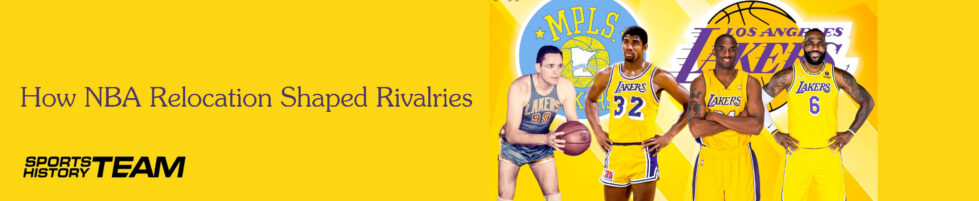
Take the Lakers. When they played in Minneapolis, the closest team was the St. Louis Hawks. But once the Lakers landed in Los Angeles in 1960, things shifted quickly. The new location brought them close to the Warriors, who had moved from Philadelphia to San Francisco in 1963. Suddenly, two West Coast franchises were eyeing the same fans and airtime.
The same thing happened with the Kings. They started as the Rochester Royals, then moved through Cincinnati, Kansas City, and finally landed in Sacramento in 1985. Along the way, the opponents they saw most often changed, which also changed who their fans cheered against the hardest. Sacramento’s most heated battles started when they shared the state with the Lakers. Local pride kicked in fast.
Relocation creates new travel routes and changes TV deals, so networks start pushing different matchups. That brings new rivalry fuel. When fans see two teams on-screen together often, with close scores and shared history, the rivalry grows even faster.
Identity Collisions Make Things Personal
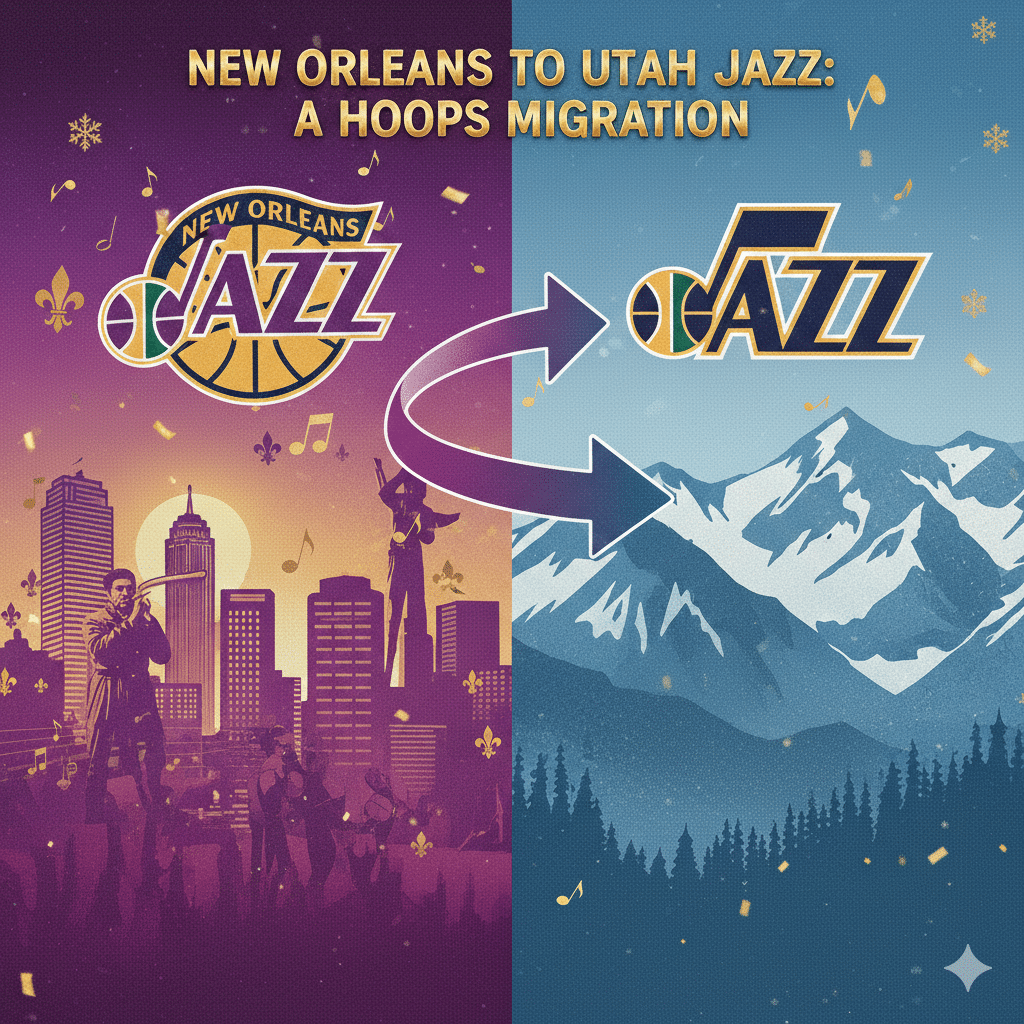
Some moves make sense, like the Rockets leaving San Diego for Houston in 1972. Rockets belong near NASA. Others seem completely random. The Jazz's move from New Orleans to Salt Lake City in 1979 is a perfect example. Utah didn’t change the name, even though it had nothing to do with jazz music.
That sort of mismatch sparks opinions. Fans in New Orleans never forgot losing a team that felt like home. Meanwhile, fans in Utah had to get used to purple, green, and gold uniforms with trumpets. That identity confusion makes matchups with that team feel personal, especially when fans remember the original city.
Another great example is the Lakers' name. It came from Minnesota’s nickname, the “Land of 10,000 Lakes.” There’s no reason for it in Los Angeles, yet the name stayed. When the Lakers play the Timberwolves today, it’s not just a regular game. There’s a connection between what was and what is. Those connections create emotional weight, even if the teams haven’t shared a deep rivalry on the court lately.
Names matter. When a name doesn’t fit, people talk. That conversation can turn into pride, especially when older fans remind newer ones where the team actually started. Rivalries can begin right there.
Team Legacy Feeds Rivalry Even When It Moves
Some teams carry their legacy wherever they go. The Warriors are a perfect case. They began in Philadelphia, won the first-ever BAA championship in 1947, and then moved to San Francisco in 1963. Later, they changed their name to the Golden State Warriors to reflect the entire state of California.
When they face the 76ers, formerly the Syracuse Nationals, it’s a game between two original franchises. Even though both have moved, fans know those roots. That’s how legacy travels. Old championship banners still count. Legendary players still belong to the franchise.
When the Sonics moved to Oklahoma City in 2008 and became the Thunder, everything changed. Seattle fans didn’t just lose a team; they lost decades of history. The 1979 championship, Gary Payton, Shawn Kemp, the Ray Allen era, those all stayed in the record books, but the jersey was gone.
Games between the Thunder and Western teams, like Portland or Denver, started carrying a new energy. Oklahoma City became a fresh opponent for everyone. When the Thunder got strong with Kevin Durant, Russell Westbrook, and James Harden, rivalries formed fast.
Legacy shapes how teams behave, even in new surroundings. Fans remember. Stats stay. That fuels competition in a deeper way.
Some Cities Lose a Team, Then Welcome a New One
The Charlotte Hornets had a loyal fan base since 1988. When the team left, people were upset. Years later, when Charlotte got a new franchise (originally called the Bobcats), they eventually reclaimed the Hornets name. This created a strange twist. One city had the Hornets, then didn’t, then did again.
Meanwhile, New Orleans had to adjust when their team became the Pelicans. And the original Hornets records went back to Charlotte. That means if you look up stats, Larry Johnson and Alonzo Mourning’s numbers now belong to the current Hornets.
This type of record-shifting can make rivalries messier. A city might feel robbed or reborn. When old stats change places, the competition heats up. Fans care deeply about banners, jersey retirements, and where history belongs.
Rivalries Evolve with Every Zip Code Change
Relocation doesn’t erase the past. It gives it a new shape. A move across the country, or even just to a nearby city, rearranges who plays who, how often, and with what stakes. Names stay, jerseys change, but matchups always adapt.
When the Hawks left St. Louis for Atlanta in 1968, their playoff success stayed behind. They had won a championship in 1958 and reached several Finals before the move. Atlanta has never matched that. When they face teams from their St. Louis days, like the Celtics, that gap becomes part of the story.
Relocation reshapes identity and refreshes competition. Even when teams stay quiet off the court, their history keeps speaking every time they step onto the hardwood. The rivalries that follow are shaped by memory, place, and pride.
===
Sports Team History is your ultimate destination to explore the rich heritage and iconic logos of professional sports teams across MLB, MLS, NBA, NCAA, NFL, NHL, Premier League, WNBA, UFL, XFL, ABA, AAF, and USFL. Immerse yourself in the captivating tales and memorable moments that have shaped each team's legacy.
But that's not all! At Sports Team History, we believe in celebrating the exceptional talents that have graced the sports world. That's why we're thrilled to announce our upcoming "Greatest Player Poll" where fans like you can cast your votes and have your say in determining the greatest players of all time in various sports.
Our partner site, Sports Logo History, offers a vibrant community of logo enthusiasts who appreciate the evolution of team visual identities. Dive into detailed analysis and discussions surrounding logos representing the teams we love. Stay updated with Sports News History, providing 24/7 sports news coverage to keep you informed and engaged with the latest developments. Lastly, explore the premier sports team marketplace at Sports Store History, where you'll find a wide selection of jerseys, caps, and collectibles to showcase your team spirit. Embark on a journey through time, celebrate team logos, stay informed with the latest news, and discover unique sports memorabilia to enhance your collection. Let Sports Team History fuel your passion for sports.