SPORTS TEAM HISTORY

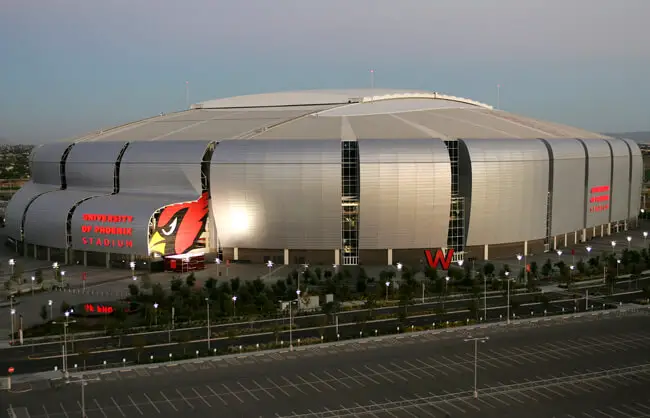
2006 - Arizona Cardinals New Glendale Stadium – 2006 Opening Guide
A New Era of Football: The Arizona Cardinals New Glendale Stadium
The year 2006 marked a transformative milestone in NFL history for the desert’s premier NFL franchise. After decades of sharing collegiate facilities, the Arizona Cardinals new Glendale stadium finally opened its doors. This architectural marvel, originally named University of Phoenix Stadium (now State Farm Stadium), provided a permanent home that revolutionized the fan experience for Arizona sports enthusiasts.
From Ballot Initiative to Groundbreaking
The journey to this world-class facility began in 2000. At that time, Maricopa County voters passed a critical ballot initiative by a narrow 51% to 49% margin. This funding was essential not only for the stadium but also for regional professional football growth and youth recreation.
Despite several legal obstacles, construction on the Arizona Cardinals new Glendale stadium officially commenced on April 12, 2003. Located in the western suburbs of Phoenix, the project promised to bring a state-of-the-art atmosphere to the region. Consequently, it became a focal point for the modernization of Arizona sports infrastructure.
Engineering Marvels: The Retractable Roof and Field
The Arizona Cardinals new Glendale stadium is globally recognized for its innovative engineering. Because the desert heat is a constant factor, the facility was designed with two groundbreaking features:
- A Retractable Roof: It was the first in North America to operate on an incline, allowing for a climate-controlled environment.
- A Slide-Out Grass Surface: The entire natural turf playing field sits in a 12-million-pound tray. This tray can glide out of the building to receive maximum sunlight, ensuring optimal conditions for every game.
Moreover, the 63,500-seat venue (expandable to over 72,000) features high-back seats and a powerful air conditioning system. These upgrades transformed professional football in the desert from an endurance test into a luxury experience.
Historic Openings and Super Bowl Glory
The stadium officially opened on August 12, 2006, with a preseason victory over the Pittsburgh Steelers. Shortly after, the Cardinals hosted their first regular-season opener since moving to the valley in 1988. In front of a sellout crowd of 63,407, they defeated the San Francisco 49ers 34-27.
This victory was especially sweet for Arizona sports fans, as it served as a successful rematch of the previous year’s historic game in Mexico City. However, the venue’s crowning achievement in NFL history came quickly. In February 2008, only two years after opening, the stadium hosted Super Bowl XLII, where the New York Giants upset the undefeated New England Patriots in one of the greatest games ever played.