SPORTS TEAM HISTORY

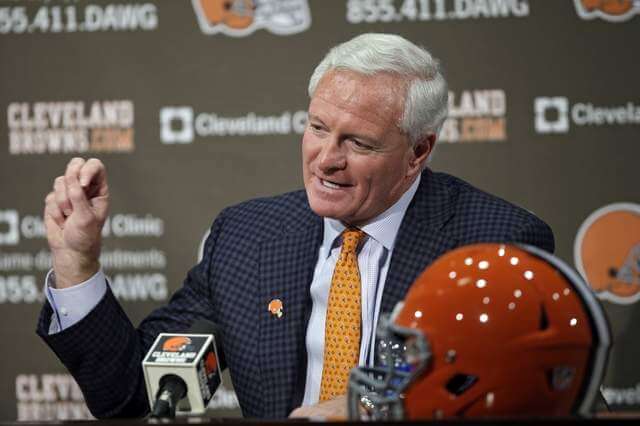
2012 - Cleveland Browns 2012: Jimmy Haslam Ownership
Cleveland Browns 2012: Jimmy Haslam Takes Ownership
In the Cleveland Browns 2012 timeline, the franchise entered a new chapter when longtime owner Randy Lerner decided to sell the team. After more than a decade at the helm, Lerner announced in July 2012 that he was selling the Browns to businessman Jimmy Haslam. The deal, finalized on August 2, 2012, was valued at more than $1 billion — making it one of the biggest franchise sales in NFL history at the time. This marked the end of the Lerner family ownership era that began with the Cleveland Browns 1999 return.
How the Sale Came Together
Randy Lerner had owned the Browns since his father Al Lerner’s death in 2002. Under his watch, the team experienced limited success on the field despite significant investment. By 2012, Lerner was ready to step away. Jimmy Haslam, the founder of Pilot Flying J truck stops and a passionate sports fan, emerged as the buyer. The transaction moved quickly, and on October 16, 2012, NFL owners officially approved Haslam as the new owner of the Cleveland Browns during their fall meetings.
Immediate Changes Under Jimmy Haslam
The very next day after approval, Haslam made his first major move by hiring Joe Banner as the team’s new CEO. Banner, who had previously served as president of the Philadelphia Eagles, brought a reputation for strong front-office management. This swift appointment signaled that Haslam intended to shake things up and bring fresh leadership to the organization. Fans hoped the new Cleveland Browns 2012 ownership would finally deliver the stability and winning culture the team had been missing for years.
Context Within Browns History
The arrival of Jimmy Haslam came 13 years after the Cleveland Browns 1999 revival under the Lerner family. While the 1999 expansion team had brought hope back to Cleveland, consistent success remained elusive. Many saw the 2012 ownership change as a much-needed reset. Haslam’s deep pockets and business background raised expectations that the Browns could finally compete at a higher level after years of rebuilding.
Looking Ahead After the Cleveland Browns 2012 Ownership Shift
The Cleveland Browns 2012 ownership transition under Jimmy Haslam represented both excitement and pressure. With a new owner and CEO in place, the franchise aimed to move past the frustrations of the previous decade. Though early years under Haslam proved challenging, the move set the stage for future roster rebuilds, coaching changes, and eventual playoff appearances in later seasons.
For Browns fans, 2012 became another turning point — the moment a new owner stepped in with big ambitions for a team that had endured decades of highs and lows since its original Cleveland Browns 1946 formation.