
When we think of the NBA’s greatest dynasties, certain names immediately come to mind—Michael Jordan and the Bulls, Magic and Kareem with the Lakers, Tim Duncan's Spurs, or LeBron's various superteams. But behind every iconic championship run, there are players whose contributions fade from collective memory—the glue guys, defensive specialists, and locker room leaders who never made an All-Star team but were absolutely essential to their team’s success. These unsung heroes are often overlooked, just as betting apps may focus on star players and stats, but the true value lies in recognizing the underappreciated pieces that drive success.
These are the unsung heroes who deserve their flowers.
The Definition of "Unsung"
Before we dive in, let's be clear about what makes a player truly unsung. We're not talking about Hall of Famers who've been slightly overlooked. We're talking about the players who:
- Never made an All-Star team (or made just one)
- Rarely showed up in highlight reels
- Did the dirty work that doesn't always translate to the stat sheet
- Were absolutely critical to their team's championship success
These players weren't just "role players"—they were irreplaceable pieces of championship puzzles.
Robert Horry: The Ultimate Teammate
Championships: 7 (2 with Houston, 3 with LA Lakers, 2 with San Antonio)
Yes, Robert Horry earned the nickname "Big Shot Rob" for his clutch playoff performances, but his real value went far deeper. With seven championship rings across three different franchises, Horry understood something fundamental: winning basketball requires sacrifice.
Horry never averaged more than 12 points per game in a season. He was never an All-Star. But he could guard multiple positions, hit the timely three-pointer, and most importantly, he knew exactly what role he needed to play on any given night. With Hakeem Olajuwon's Rockets, he was the athletic forward who could run the floor and provide spacing. With Shaq and Kobe's Lakers, he was the savvy veteran who hit impossible shots. With Duncan's Spurs, he was the experienced champion who mentored younger players.
His Game 5 performance against the Kings in 2002—hitting the game-winner with 11.8 seconds left after Sacramento seemingly had the series won—remains one of the most controversial and clutch moments in playoff history. But it was just one example of Horry showing up when it mattered most.
Derek Fisher: The Floor General Nobody Appreciated Enough
Championships: 5 (all with LA Lakers)
Derek Fisher's résumé includes one of the most famous shots in playoff history—the 0.4-second miracle against the Spurs in 2004. But reducing Fisher to that moment ignores his decade-plus of steady, intelligent leadership for the Lakers.
Fisher wasn't fast. He wasn't a great shooter by modern standards (34.7% career three-point percentage). He wasn't going to create offense for others like elite point guards. But he was unflappable under pressure, made the right play consistently, and was Phil Jackson's extension on the floor during the Lakers' five championship runs.
During the 2009 and 2010 championships, when Kobe Bryant was the undisputed alpha, Fisher was the calming presence who kept everything organized. He took charge, he hit big shots in the Finals, and he commanded respect in the locker room. The Lakers went 5-2 in Game 7s during Fisher's tenure with the team—that's not a coincidence.
Bruce Bowen: Defense Wins Championships
Championships: 3 (all with San Antonio Spurs)
Bruce Bowen went undrafted in 1993. He bounced around the CBA and France before finally sticking in the NBA with the Miami Heat in 1997. By the time he joined the Spurs in 2001, he was 29 years old and had found his calling: making the other team's best perimeter player absolutely miserable.
Bowen made the All-Defensive First Team five consecutive times (2004-2008) and the Second Team three times. He was the prototype for the "3-and-D" player that every modern team desperately wants, except Bowen's defensive intensity was on another level entirely. He shadowed Kobe Bryant, Tracy McGrady, and Allen Iverson in crucial playoff series, often holding them well below their averages.
Was his defense sometimes overly physical? Absolutely—Bowen had a reputation for questionable closeouts and foot placement that led to injuries. But in the Spurs' system, Bowen was allowed to focus entirely on defense and corner threes, and he was arguably the best in the league at that specific role during San Antonio's mid-2000s dynasty.
Without Bowen's ability to neutralize elite scorers, the Spurs' beautiful offensive system wouldn't have mattered nearly as much.
Michael Cooper: The Original Two-Way Wing
Championships: 5 (all with LA Lakers)
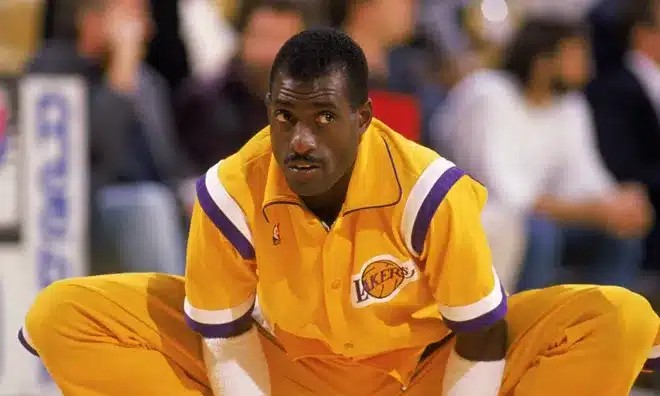
Michael Cooper won Defensive Player of the Year in 1987, made eight All-Defensive teams, and was the player Magic Johnson trusted to guard the opponent's best wing every single night. Larry Bird, Dr. J, Alex English—Cooper drew the toughest defensive assignments while the Lakers' stars focused on running and gunning.
But Cooper wasn't just a defensive specialist. He shot 37.2% from three for his career (exceptional for the 1980s) and averaged double figures in scoring during several seasons. His ability to spread the floor and knock down open shots in transition made the Showtime Lakers even more dangerous.
In the 1987 Finals against the Celtics, with the series tied 2-2, Cooper had 19 points, 8 rebounds, and 4 steals in the crucial Game 5 victory. He followed that up with 11 points in the clinching Game 6. Not bad for someone who's barely mentioned when people discuss those Lakers teams.
Steve Kerr: The Sharpshooter Who Won Everywhere
Championships: 5 (3 with Chicago Bulls, 2 with San Antonio Spurs)
Steve Kerr has become famous as the architect of the Warriors' dynasty, but his playing career was remarkably successful in its own right. He holds the NBA record for career three-point percentage at 45.4%—a record that will likely never be broken in the modern era of high-volume shooting.
Kerr understood his role perfectly: be ready to knock down the open three when defenses collapsed on Jordan or Duncan. His most famous shot—the series-clinching jumper in Game 6 of the 1997 Finals against Utah—came because Jordan trusted him enough to pass up the shot himself.
But Kerr's value extended beyond shooting. He was a smart decision-maker who rarely turned the ball over (2.6 career assist-to-turnover ratio), and he was a calming veteran presence in the locker room. Phil Jackson and Gregg Popovich both trusted him in critical moments, and he delivered consistently across nine championship runs (five as a player, four as a coach).
The Lessons They Teach Us
What connects all these unsung heroes? They each:
- Knew their role and excelled at it - They didn't try to do more than the team needed
- Made winning plays - Charges taken, extra passes made, timely shots hit
- Elevated in big moments - Their best basketball came in the playoffs
- Put ego aside - They accepted smaller roles for the greater good
- Brought intangibles - Leadership, experience, toughness, intelligence
The modern NBA is increasingly focused on analytics, usage rates, and individual brilliance. But these players remind us that championships are still won by complete teams—teams that have players willing to sacrifice individual glory for collective success.
The Next Generation
Today's NBA has its own unsung heroes who will likely be forgotten in 20 years:
- PJ Tucker: The undersized forward who guards centers and stands in the corner
- Andre Iguodala: The Finals MVP who came off the bench and didn't care about stats
- Draymond Green: The defensive anchor who does everything except score
- Fred VanVleet: The undrafted guard who became a champion in Toronto
These players are following in the footsteps of the legends we've discussed—proving that basketball greatness isn't always measured in points per game or All-Star selections.
Wrap Up
The next time you watch your team win a championship, pay attention to the players who aren't getting the post-game interviews. Notice the guy who took four charges, or the veteran who hit two huge threes, or the defender who made the opponent's star work for every bucket.
Those are your unsung heroes.
They won't get their jerseys retired. They won't be first-ballot Hall of Famers. But they'll have championship rings and the satisfaction of knowing they were absolutely essential to something special.
And maybe—just maybe—20 years from now, someone will write an article remembering their contributions.
This is Part 1 of our "NBA Unsung Heroes" series, exploring the forgotten contributors who made basketball's greatest teams possible.
===
Sports Team History is your ultimate destination to explore the rich heritage and iconic logos of professional sports teams across MLB, MLS, NBA, NCAA, NFL, NHL, Premier League, WNBA, UFL, XFL, ABA, AAF, and USFL. Immerse yourself in the captivating tales and memorable moments that have shaped each team's legacy.
But that's not all! At Sports Team History, we believe in celebrating the exceptional talents that have graced the sports world. That's why we're thrilled to announce our upcoming "Greatest Player Poll" where fans like you can cast your votes and have your say in determining the greatest players of all time in various sports.
Our partner site, Sports Logo History, offers a vibrant community of logo enthusiasts who appreciate the evolution of team visual identities. Dive into detailed analysis and discussions surrounding logos representing the teams we love. Stay updated with Sports News History, providing 24/7 sports news coverage to keep you informed and engaged with the latest developments. Lastly, explore the premier sports team marketplace at Sports Store History, where you'll find a wide selection of jerseys, caps, and collectibles to showcase your team spirit. Embark on a journey through time, celebrate team logos, stay informed with the latest news, and discover unique sports memorabilia to enhance your collection. Let Sports Team History fuel your passion for sports.
