

Few franchises in professional sports carry as much complicated emotional baggage as the Las Vegas Raiders. A team defined as much by its turbulent geography as its football, the Raiders have asked their fanbase to follow them across three cities, and not everyone made the trip.
The story of how Oakland’s proudest team became Las Vegas’s newest attraction is one of loyalty tested, identity fractured, and a fan culture that refuses to neatly resolve.
Oakland Roots and the Raiders’ Rise
The Raiders were born in Oakland in 1960 as part of the American Football League’s expansion, and for decades, they were inseparable from the city’s working-class identity. Their silver-and-black color scheme, the iconic “Raider Nation” culture, and a fan base known for fierce independence all grew from the East Bay’s gritty, countercultural spirit. This wasn’t just a football team; it was a civic institution.
By the 1980s, that institution was already showing cracks. Owner Al Davis relocated the team to Los Angeles in 1982, a move that blindsided Oakland fans and previewed the franchise’s willingness to prioritize business over community roots.
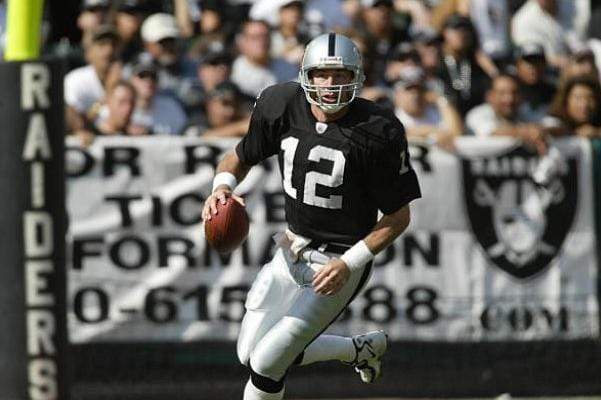
Despite this, the Las Vegas Raiders are one of the most heavily bet-on teams in the NFL, often leading the league in betting “tickets” and money wagered on some of the best Offshore Sportsbooks. The team was listed as 100-1 longshots; one bettor recently placed $25,000 to win $2.5 million. They have struggled to cover spreads at home, often being overvalued due to public popularity.
However, up to 73% of individual betting tickets are often placed on the Raiders by the general public, regardless of their record. Their move to Las Vegas transformed them from a regional favorite into a global betting magnet.
Two Moves That Fractured the Fanbase
The Los Angeles experiment lasted 13 years and wasn’t particularly successful for either side. The Raiders returned to Oakland in 1995 after years of declining attendance and a failed stadium negotiation in LA.
Oakland welcomed them back, but something had permanently changed. Fans who had stayed loyal through the LA years felt validated; others simply moved on.
That return set up what became an even more painful departure. After years of failed stadium negotiations with Oakland city officials, the NFL approved the Raiders’ relocation to Las Vegas by a 31-1 vote in 2017.
The move marked the end of a long and frustrated attempt to secure a facility in the Bay Area. For many longtime fans, it felt less like a business decision and more like an abandonment.
Las Vegas Era Changes How Fans Engage
Allegiant Stadium opened in 2020, in the middle of a pandemic, giving the Las Vegas era a muted, surreal launch. The $1.9 billion facility is undeniably impressive.
But it also symbolizes a change in the franchise’s identity, from a blue-collar Oakland institution to a glittering entertainment product designed for a resort city. The stadium was built to attract tourists and neutral fans as much as devoted Raider Nation diehards.
Fan engagement has evolved significantly in the streaming era. NFL viewership reached record highs in 2023, suggesting fans are adapting to follow teams digitally even when geography separates them. Oakland’s remaining fan base largely watches from afar now, sustaining an identity tied more to an era than a location.
What the Raiders’ Journey Reveals Long-Term
The Raiders’ rebuild has been the subject of debate among analysts. The team’s history is a case study of what happens when franchise economics and civic identity repeatedly collide over decades. Three cities have hosted the same team. But each iteration carried a distinctly different cultural weight. Oakland had the soul. Los Angeles had the market. Las Vegas has the spectacle.
What endures is Raider Nation itself, a fan identity so integrated in personal and cultural history that it travels independently of the franchise’s physical address. Longtime fans in Oakland still wear the silver and black with a kind of defiant nostalgia, rooting for a team that left them twice.
Whether Las Vegas can cultivate that same depth of loyalty over time remains one of the more fascinating ongoing questions in professional sports. The Raiders have always been a franchise that does things differently, for better and for worse.