SPORTS TEAM HISTORY

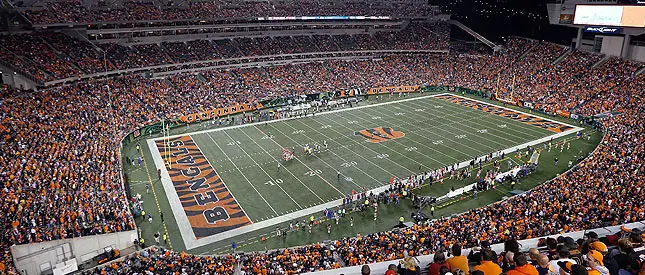
2000 - Cincinnati Bengals 2000: Paul Brown Stadium
Cincinnati Bengals 2000: Paul Brown Stadium Opening and New Era
In the Cincinnati Bengals 2000 timeline, the franchise entered a new chapter with the opening of Paul Brown Stadium. Named in honor of Bengals founder Paul Brown, the modern venue replaced the aging Riverfront Stadium as the team’s home. The Cincinnati Bengals 2000 move to Paul Brown Stadium provided state-of-the-art facilities and marked the end of 30 seasons at the shared multi-purpose stadium. Located on approximately 22 acres along the downtown riverfront, Paul Brown Stadium opened on August 19, 2000, and quickly became known as “The Jungle.”
Background and Construction of Paul Brown Stadium
After decades at Riverfront Stadium, the Bengals needed a dedicated football facility. Hamilton County and the Bengals partnered to build Paul Brown Stadium, with groundbreaking in April 1998. The project cost around $455 million and was completed in time for the 2000 season. The stadium was intentionally named after Paul Brown to honor the legendary coach and founder who led the Cincinnati Bengals 1968 team formation and guided the club for over 20 years. Even after Paul Brown died in the Cincinnati Bengals 1991 timeline, the family chose to honor his legacy by naming the new home Paul Brown Stadium.
Features and Capacity of Paul Brown Stadium
Paul Brown Stadium features a sleek, modern design with a listed seating capacity of 65,535. It offers improved sightlines, better concessions, more restrooms, luxury suites, and enhanced fan amenities compared to Riverfront Stadium. The open-air venue sits on about 22 acres of land along the Ohio River. The Cincinnati Bengals 2000 season marked the debut of this upgraded home, giving the team a true football-specific environment that helped elevate the overall game-day experience for fans.
Opening and Nickname “The Jungle”
Paul Brown Stadium officially opened on August 19, 2000, with a preseason victory over the Chicago Bears. The first regular-season game took place on September 10, 2000, against the Cleveland Browns, drawing a record crowd. The stadium earned the nickname “The Jungle” early on — a reference to the Bengal tiger’s natural habitat and the Guns N’ Roses song “Welcome to the Jungle,” which became the team’s unofficial anthem. This energetic nickname perfectly captured the loud, intimidating atmosphere Bengals fans created during home games in the Cincinnati Bengals 2000 era and beyond.
Transition from Riverfront Stadium
The move to Paul Brown Stadium in the Cincinnati Bengals 2000 timeline ended the shared tenancy with the Cincinnati Reds that began in the Cincinnati Bengals 1970 Riverfront Stadium years. After 30 seasons at Riverfront Stadium, the Bengals gained a dedicated home that supported the team’s long-term future. The new stadium helped modernize the franchise’s infrastructure following the challenges that followed Paul Brown’s death in the Cincinnati Bengals 1991 timeline.
Lasting Impact of Paul Brown Stadium on the Bengals
The opening of Paul Brown Stadium in the Cincinnati Bengals 2000 timeline symbolized progress and renewed hope for the franchise. It provided a modern venue that improved fan engagement and revenue potential while honoring the founder’s legacy. Although the team struggled on the field in 2000, the new stadium laid the groundwork for future success and remains the heart of Bengals football (now known as Paycor Stadium). From the Cincinnati Bengals 1968 team formation through the Cincinnati Bengals 1970 breakthrough and into the modern era, Paul Brown Stadium stands as a lasting tribute to the man who built the Bengals.