SPORTS TEAM HISTORY

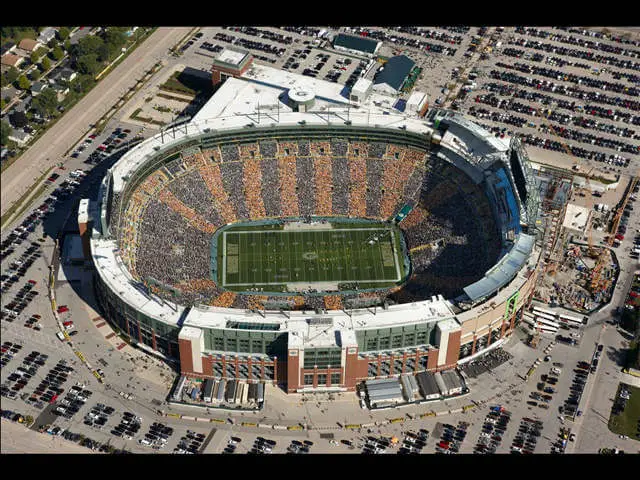
1957 - Green Bay Packers 1957: Lambeau Field Opens
Green Bay Packers 1957: Lambeau Field Opens
In the Green Bay Packers 1957 timeline, the franchise took a major step forward by moving into its permanent home. On September 29, 1957, the Packers played their first game at the newly built City Stadium, marking the end of their time at the old East High School field. What began as a simple municipal stadium would eventually become one of the most famous and beloved venues in all of sports — Lambeau Field.
From Old City Stadium to a New Era
For decades, the Packers had played at a modest field located behind East High School in Green Bay. By the mid-1950s, the team needed a modern facility to keep up with the growing NFL. Local leaders and fans supported the construction of a new stadium on the west side of town. The new venue opened in 1957 with a capacity of about 32,000 and quickly became the heart of Packers football. For its first eight seasons, it was officially known as City Stadium (or informally as New City Stadium) to distinguish it from the previous location.
Honoring a Legend: The Renaming to Lambeau Field
In 1965, the stadium received its iconic name. Just two months after the death of Packers founder, player, and longtime coach Curly Lambeau, the field was officially renamed Lambeau Field in August 1965. The renaming was a fitting tribute to the man who had built the franchise from its earliest days in 1919 and led the team to six NFL championships. Since then, “Lambeau Field” has become synonymous with Green Bay Packers football and is widely regarded as one of the most historic stadiums in the NFL.
What Makes Lambeau Field Special
From the very beginning, the Green Bay Packers 1957 opening of the new stadium created a special atmosphere. Located in the small city of Green Bay, the venue fostered an incredibly close connection between the team and its fans. Over the decades, Lambeau Field has hosted legendary games, including multiple NFL championships and the famous “Ice Bowl” in 1967. Even after multiple expansions that increased capacity to over 81,000, the stadium has maintained its classic, intimate feel that fans cherish.
Lambeau Field Lasting Legacy
The opening of Lambeau Field in 1957 was a pivotal moment that helped secure the Packers’ long-term future in Green Bay. It gave the team a true professional home and strengthened the bond between the community-owned franchise and its loyal supporters. Today, Lambeau Field is more than just a stadium — it is a symbol of Packers tradition, resilience, and the unique small-market success story that defines the team.
For generations of fans, walking into Lambeau Field on game day remains one of the most special experiences in all of sports.