

Every student seeking an engaging path into the Detroit baseball team soon finds drama. The Detroit Tigers' history reads like a swift, tense novel filled with grit. Born in the late nineteenth century, the club endured wars and depressions. Shifting rules arrived often, yet the Tigers kept pace and adapted smartly. To keep research tidy, many students use tools like SpeedyPaper for structure. Clear timelines, a few primary sources, and a game chart make dates understandable. Confusing numbers turn into a story once events line up on paper. This guide highlights key moments, memorable figures, and symbols that define the franchise. Readers will see how each Detroit Tigers owner shaped rosters and club direction. They will trace how the Detroit Tigers' pursuit of championships was marked by many hard seasons. The Old English "D" grew into an emblem known well beyond Michigan. By the end, even a seventh-grader can explain why the Tigers matter. The story belongs to Detroit and baseball followers across the country.
From Sandlots to the American League
Before big-league status, baseball already thrived across Michigan's largest, busiest city streets. Corktown sandlots hosted lively amateur clubs through the 1880s and drew crowds. A professional team called the Wolverines even captured a pennant before folding. Business leaders formed a Western League club after that brief local venture. Fans nicknamed the players "Tigers," honoring Michigan troops renowned during the Civil War. In 1901, league president Ban Johnson retitled his circuit the American League. That change elevated the Tigers to major-league standing with one bold step. On April 25, the Detroit baseball team staged a furious ninth-inning rally. Detroit won its first official game and created a lasting comeback identity. By season's end, the Tigers finished third on a limited operating budget. The park at Michigan and Trumbull was small and built of wood. Even so, the groundwork was laid for bigger noise and larger crowds. A sensational young hitter soon arrived with talent and a sharp temper.
Ty Cobb and the Dead-Ball Drama
Tyrus Raymond Cobb, a teenager from Georgia, joined Detroit in 1905 and dominated. With a thin, whippy bat, he bunted, chopped, and lined hits everywhere. Cobb bullied pitchers and infielders while stacking stolen bases at a relentless pace. His lifetime average settled at .366 across that harsh dead-ball environment. A volatile temper sparked clubhouse clashes, yet wins softened the internal storms. Under manager Hughie Jennings, Detroit claimed pennants in 1907, 1908, and 1909. A Detroit Tigers championship stayed out of reach after three World Series defeats. Cobb's daring slides and sharpened spikes turned the Tigers into a national conversation. Newspapers covered every dust-up on the basepaths, and gate receipts rose with the attention. Ownership toyed with marketing, including early tiger-stripe trims on jersey sleeves. The on-field trophy eluded Detroit, yet the club proved it belonged. That ruthless style set standards that later groups tried proudly to match.
Lean Years, Greenberg's Power, and the First Crown
The 1920s brought lean seasons as Cobb aged and then departed. Results dipped, crowds waned, and money pressures forced frugal roster choices. Hope returned with Hank Greenberg's debut in 1930, a towering power threat. His thunderous home runs lifted spirits during the long Great Depression years. Navin Field echoed nightly as fans found relief in booming drives. Player-manager Mickey Cochrane guided with steady optimism and sharp, clear tactics. Detroit captured the 1934 pennant and seemed ready for a bigger step. One year later, persistence paid off, and the Tigers beat the Chicago Cubs. Six tense games delivered the franchise's first World Series crown. That triumph marked a turning point in Detroit Tigers history and identity. Power could blend with discipline on the mound and still win consistently. Detroit held a massive parade that brightened downtown during bleak economic times. Greenberg kept crushing tape-measure shots and thrilling radio listeners across Michigan. "Schoolboy" Rowe's breezy chats added charm as rosters shifted near the decade's end. The banner finally flew, and the city carried that pride forward.
Postwar Heroes and the Miracle of 1968
After World War II, veterans returned and reshaped jobs across the Tigers roster. Hal Newhouser's heavy heat drove Detroit to a title in 1945. Later seasons settled into middling results, and patience grew thin among fans. The 1960s brought Al Kaline, Willie Horton, Denny McLain, and Mickey Lolich. A turbulent national backdrop made baseball a rare unifying outlet for many. Detroit stormed to 103 wins in 1968 with grit and steady poise. McLain reached 30 victories, a mark unmatched since that singular summer. In October, the Tigers trailed the powerful Cardinals three games to one. Detroit rallied and won in seven behind Lolich's three complete games. That Detroit Tigers championship soothed tensions and linked neighborhoods across the city. Many historians call 1968 the franchise's most meaningful and lasting season. The year tied sport, civic healing, and pride into a single unforgettable thread.
Sparky's Crew and the Roaring 1984 Championship
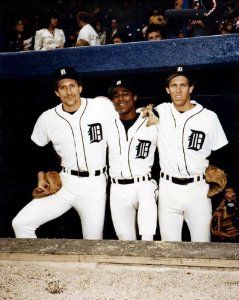
Late in the 1970s, Detroit hired Sparky Anderson, known for his white hair and confidence. He promised swift improvement, and a young core listened and learned quickly. Alan Trammell, Lou Whitaker, Jack Morris, and Kirk Gibson formed the backbone. The 1984 team opened 35–5, a blistering start that stunned the sport. By midsummer, talk of a Detroit Tigers championship filled local radio waves. The bullpen leaned on power arms, with Willie Hernández closing tense innings. Trammell's smooth glove steadied the infield and calmed shaky moments. Detroit rolled through the postseason and toppled the San Diego Padres. Five decisive games sealed the title inside a roaring Tiger Stadium. Fireworks lit the skyline as neighborhoods cheered late into warm nights. Anderson became the first manager with crowns in both major leagues. For students studying Detroit Tigers history, 1984 proves that drafting and development matter. A strong farm can build champions without buying every star in sight.
Owners, Front Offices, and Ballpark Changes
Leadership shapes what a franchise becomes during good times and lean stretches. For nearly sixty years, the Briggs family, backed by auto money, guided growth. In 1983, pizza entrepreneur Tom Monaghan bought the team and raised payroll. His spending helped fuel the glittering results that defined the 1984 season. A decade later, Mike Ilitch took control and pledged to keep Detroit. The Little Caesars fortune supported a new park with sweeping, modern sightlines. Comerica Park opened in 2000, flanked by towering statues of roaring tigers. Executives Dave Dombrowski and Al Avila traded prospects for proven pitching depth. Some moves were missed, yet ownership continued to invest, staying near contention. After Ilitch's passing, family control continued, signaling stability rare in sports. Each Detroit Tigers owner sets budgets, stadium rules, and community outreach plans. Boardroom choices rippled onto the diamond and into daily clubhouse morale.
Tigers of the Twenty-First Century
The new century began painfully with 119 losses in 2003, a low point. That total stands as the worst mark in American League season records. Renewal followed under manager Jim Leyland's steady presence and clear voice. Justin Verlander and Miguel Cabrera powered the surprise 2006 pennant run. The World Series slipped away, yet city pride returned in full. Verlander earned the 2011 MVP award after a year of dominance. Cabrera captured the 2012 Triple Crown and electrified Comerica Park crowds. Detroit reached the league championship series in 2012 and 2013 with consistency. Another Detroit Tigers championship stayed just beyond reach during that stretch. Rebuilding then focused on prospects Riley Greene and Spencer Torkelson with patience. New analytics studied spin rates and launch angles to refine development. The Detroit baseball team kept adapting while grooming a younger, faster roster. Flashes of promise suggest future parades along Woodward Avenue remain possible.
The Evolution of the Detroit Tigers Logo

One glance at the Old English "D" carries meaning beyond piles of numbers. The emblem first appeared on caps in 1904, drawn from the city crest. Over time, tweaks in width and serif shape formed an informal timeline. During the 1920s, a blockier "D" paired with thick-striped socks across uniforms. By the 1930s, a slimmer letter dominated and lasted through midcentury glory. The 1968 miracle season used a bright orange outline that popped on film. In the 1990s, a roaring tiger crawled through the "D" on marketing pieces. Traditionalists protested, and the club restored the classic standalone character. Midnight navy stitching refreshed the look while honoring decades of tradition. In 2018, designers aligned the cap "D" with the jersey "D." Consistency across digital spaces and uniforms strengthened the brand's daily presence. Today, the mark ranks among baseball's most recognizable and enduring symbols. It links generations through shared memories at ballparks old and new.
Quick Study Tips and Final Thoughts
Students preparing essays or class talks on Tigers lore can save time with a structure. Build a timeline that pairs team milestones with city booms in manufacturing. Compare managerial styles to judge which eras drew the most from talent. Track logo updates to examine branding trends across decades of franchise change. Return often to primary sources, including box scores, radio shows, and transcripts. Quoting Al Kaline or Ty Cobb adds color that lifts ordinary assignments. Cite Detroit Tigers owner remarks when covering trades, payroll, or stadium choices. Always position Detroit Tigers history within broader American stories and movements. War, migration, and economic change provide context that deepens every baseball chapter. Linking clubhouse drama to civic life creates richer, more compelling narratives. The Detroit baseball team offers more than neat rows of wins and losses. It gives a century-long lesson in grit, patience, and regional pride. From Bennett Park to Comerica Park, each generation adds another chapter. The saga still roars forward toward its next unforgettable and joyous moment.