
Search By First Name of the HOFers
Ferguson Jenkins
Inducted:
1991
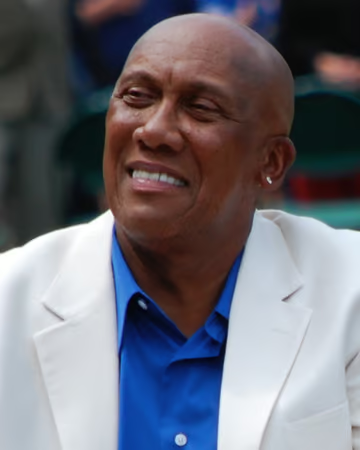
Player Stats
Stats:
6-5, 205lb
Born:
December 13, 1942
Chatham, Ontario, Canada
Position:
Starting Pitcher
College:
NA
Jenkins' Awards and Honors
- 3× All-Star (1967, 1971, 1972)
- NL Cy Young Award (1971)
- 2× Wins leader (1971, 1974)
- NL strikeout leader (1969)
- Chicago Cubs No. 31 retired
- Chicago Cubs Hall of Fame
- Texas Rangers Hall of Fame
MLB Teams
Philadelphia Phillies (1965–1966)
Chicago Cubs (1966–1973)
Texas Rangers (1974–1975)
Boston Red Sox (1976–1977)
Texas Rangers (1978–1981)
Chicago Cubs (1982–1983)
MLB draft:
NA
Numbers Worn:
31, 46, 30, 19
MLB Stats
Seasons:
19
Games Played:
664
Win–Loss Record:
284–226
Earned Run Average:
3.34
Strikeouts:
3,192
Innings Pitched:
4500.2
Ford Frick
Inducted:
1970

Executive Stats
Born:
December 19, 1894
Wawaka, Indiana, U.S.
Died:
April 8, 1978
Bronxville, New York, U.S.
Position:
Executive
College:
NA
Ford Frick was a pivotal figure in baseball history, serving as the third Commissioner of Major League Baseball from 1951 to 1965. Before becoming commissioner, he was a sportswriter, public relations executive, and president of the National League. Frick’s tenure oversaw expansion, the relocation of franchises, and the growth of television’s influence on the sport.
He was a strong advocate for preserving baseball’s traditions while guiding it through an era of modernization. Frick also played a role in establishing guidelines for record-keeping during the home run chase of 1961. Inducted into the Baseball Hall of Fame in 1970, his leadership left a lasting impact on the game’s governance and growth.
Frick's Awards and Honor
- Inducted into the Baseball Hall of Fame (1970)
- Namesake of the Ford C. Frick Award for baseball broadcasting excellence
- Guided MLB during a period of rapid growth and change
MLB Tenure
MLB Commissioner (1951–1965)
National League President (1934–1951)
Notable Achievements
- Expanded Major League Baseball from 16 to 20 teams
- Oversaw franchise relocations, including moves to the West Coast
- Introduced historical record-keeping standards
- Guided first West Coast franchises in MLB history
Frank Chance
Inducted:
1946

Player Stats
6-0, 190lb (183cm, 86kg)
Born:
September 9, 1877
Salida, California, U.S.
Died:
September 15, 1924
Los Angeles, California, U.S.
Position:
First baseman
College:
University of California
Frank Leroy Chance, known as "The Peerless Leader," was a cornerstone of the Chicago Cubs' dynasty in the early 1900s. Born on September 9, 1877, in Salida, California, Chance began his Major League career with the Chicago Orphans (later the Cubs) in 1898.
Initially a catcher and outfielder, he transitioned to first base in 1902, forming the legendary double-play combination "Tinker to Evers to Chance." As a player-manager from 1905 to 1912, he led the Cubs to four National League pennants and two World Series championships (1907, 1908).
Under his leadership, the 1906 Cubs set a Major League record with 116 wins. Chance's managerial acumen was matched by his playing prowess, boasting a .296 batting average and 403 stolen bases over his career. After stints managing the New York Yankees and Boston Red Sox, his career was cut short due to health issues.
Elected to the Baseball Hall of Fame in 1946, Chance's legacy endures as a symbol of leadership and excellence in baseball history.
Chance's Awards and Honors
- 2× World Series champion (1907, 1908)
- 2× NL stolen base leader (1903, 1906)
- NL runs scored leader (1906)
- Chicago Cubs Hall of Fame
- 4× National League Pennant Winner (1906, 1907, 1908, 1910)
- National League Runs Scored Leader (1906)
- Managed Cubs to MLB-record 116 wins in 1906
- Formed legendary "Tinker to Evers to Chance" double-play trio
- Nicknamed "The Peerless Leader" for his leadership qualities
- Inducted into the Baseball Hall of Fame (1946)
- Inducted into the Fresno County Athletic Hall of Fame (1959)
MLB Teams
Chicago Orphans / Cubs (1898–1912)
New York Yankees (1913–1914)
MLB Stats
Games Played:
1,288
At Bats:
4,299
Hits:
1,274
Batting Average:
.296
Home Runs:
20
Runs Batted In (RBI):
596
Runs Scored:
798
Doubles:
200
Triples:
79
Stolen Bases:
403
On-Base Percentage:
.394
Slugging Percentage:
.394
OPS (On-base Plus Slugging):
.788
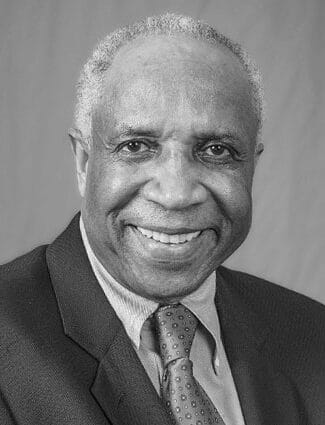
Frank Robinson
Inducted:
1982
Player Stats
6-1, 183lb
185cm, 83kg
Born
August 31, 1935
Beaumont, Texas, U.S.
Died
February 7, 2019
Los Angeles, California, U.S.
Position:
Right fielder
Outfielder
College:
McClymonds HS
Xavier University
Frank Robinson was an American professional baseball outfielder who played 21 MLB seasons from 1956 to 1976. Known for his power, intensity, and consistent hitting, he starred for the Cincinnati Reds and Baltimore Orioles before finishing his career with the Los Angeles Dodgers, California Angels, and Cleveland Indians.
Robinson won the National League MVP Award in 1961 and the American League MVP Award in 1966, becoming the first player to win the honor in both leagues. In 1966, he captured the American League Triple Crown with a .316 batting average, 49 home runs, and 122 RBIs, while leading Baltimore to its first World Series championship. A 14-time All-Star, Robinson finished with 586 home runs and 1,812 RBIs.
He was inducted into the National Baseball Hall of Fame in 1982 in his first year of eligibility.
Robinson's Awards and Honors
- 14-time MLB All-Star1969–1971, 1974)
- 2× World Series champion (1966, 1970)
- 2× MVP (1961, 1966)
- World Series MVP (1966)
- AL Triple Crown (1966)
- NL Rookie of the Year (1956)
- Gold Glove Award (1958)
MLB Records
- Only Player to Win MVP Awards in Both Leagues
- First player to win the Triple Crown and MVP Award in the same AL
- First Player to Hit All-Star Home Runs in Both Leagues
- AL batting champion (1966)
- AL home run leader (1966)
- AL RBI leader (1966)
MLB Teams
Cincinnati Redlegs/Reds (1956–1965)
Baltimore Orioles (1966–1971)
Los Angeles Dodgers (1972)
California Angels (1973–1974)
Cleveland Indians (1974–1976)
Number Worn
20
MLB Stats
Seasons:
21 (1956–1976)
Games Played:
2,808
Hits:
2,943
Home Runs:
586
Runs Batted In:
1,812
Runs Scored:
1,829
Doubles:
528
Triples:
72
Stolen Bases:
204
Batting Average:
.294
On-Base Percentage:
.389
Slugging Percentage:
.537
OPS:
.926
Frank Thomas
Inducted:
2014

Player Stats
6-5, 240lb
196cm, 108kg
Born
May 27, 1968
Columbus, Georgia, U.S.
Position:
Designated Hitter
First Baseman
College:
Auburn University
Frank Thomas, known as “The Big Hurt,” was one of the most productive right-handed hitters of his era. He spent 19 MLB seasons with the Chicago White Sox, Oakland Athletics and Toronto Blue Jays. Thomas won back-to-back American League MVP Awards in 1993 and 1994 and captured the 1997 AL batting title with a .347 average. He was a five-time All-Star and won four Silver Slugger Awards.
From 1991 through 1997,he became the only player in MLB history to record seven consecutive seasons with at least a .300 batting average, 100 RBI, 100 runs,100 walks and 20 home runs. Thomas finished his career with 2,468 hits, 1,494 runs, 521 home runs, 1,704 RBI, 1,667 walks and a .301 batting average. He helped the White Sox win the 2005 World Series and had his No.35 retired by Chicago.Thomas was elected to the Baseball Hall of Fame in 2014.
Thomas' Awards and Honors
- 5× All-Star (1993–1997)
- 2× AL MVP (1993, 1994)
- 4× Silver Slugger Award (1991, 1993, 1994, 2000)
- AL batting champion (1997)
- 2005 World Series champion
- 4× AL on-base percentage leader
- 4× AL walks leader
- Member of the 500 Home Run Club
MLB Records
- Won back-to-back AL MVP Awards (1993 and 1994)
- Four AL walks titles (1991, 1992, 1994 and 1995)
- 521 career home runs with a .301 batting average
- Nine seasons with 100+ runs, RBI and walks
- Eight career seasons with the same .300/20 HR/100 RBI/100 runs/100 walks combination
- Seven consecutive seasons with .300+ batting average, 20+ HR, 100+ RBI, 100+ runs and 100+ walks (1991–1997)
MLB Teams
Chicago White Sox (1990–2005)
Oakland Athletics (2006,2008)
Toronto Blue Jays (2007–2008)
MLB Draft
1989, 1st round (7th overall)
Chicago White Sox
Number Worn
35
MLB Stats
Seasons:
19
Games:
2,322
At Bats:
8,199
Hits:
2,468
Runs:
1,494
Doubles:
495
Triples:
12
Home Runs:
521
RBI:
1,704
Stolen Bases:
32
Batting Average:
.301
On-Base Percentage:
.419
OPS:
.974
Frankie Frisch
Inducted:
1947

Player Stats
5-11, 165lb (180cm, 74kg)
Born:
September 9, 1897
Bronx, New York, U.S.
Died:
March 12, 1973
Wilmington, Delaware, U.S.
Position:
Second baseman
College:
Fordham University
Frankie Frisch, nicknamed “The Fordham Flash,” was one of the most dynamic infielders of the 1920s and 1930s. A switch-hitting second baseman known for speed, defense, and fiery leadership, Frisch starred with both the New York Giants and St. Louis Cardinals.
He was a central figure in four World Series championships and helped define the aggressive, high-energy style of the "Gashouse Gang" Cardinals. Frisch collected over 2,800 hits, stole 419 bases, and scored nearly 1,500 runs.
After his playing days, he managed for several seasons, including leading the Cardinals to a title in 1934. Frisch was elected to the Hall of Fame in 1947 and later served on the Veterans Committee.
His all-around skill set and leadership made him one of the most complete second basemen in baseball history.
Frisch's Awards and Honors
- 3× All-Star (1933–1935)
- 4× World Series champion (1921, 1922, 1931, 1934)
- NL MVP (1931)
- 3× NL stolen base leader (1921, 1927, 1931)
- Louis Cardinals Hall of Fame
- Inducted into National Baseball Hall of Fame (1947)
- 10× Top 10 in NL Batting Average
- 2,880 Career Hits – top 50 all-time
- Managed Cardinals to 1934 World Series title
- Key member of the legendary “Gashouse Gang”
- Veterans Committee Chairman (later in life)
MLB Teams
As player
New York Giants (1919–1926)
St. Louis Cardinals (1927–1937)
As manager
St. Louis Cardinals (1933–1938)
Pittsburgh Pirates (1940–1946)
Chicago Cubs (1949–1951)
Number Worn:
3
MLB Stats
Seasons:
19 (1919–1937)
Games Played:
2,311
Batting Average:
.316
Hits:
2,880
Home Runs:
105
RBIs:
1,244
Runs Scored:
1,532
Stolen Bases:
419
OBP:
.369
Managerial record:
1,138–1,078
Winning %
.514
Fred Clarke
Inducted:
1945

Manager Stats
Stats:
5-10, 165lb (178cm, 74kg)
Born:
October 3, 1872
Winterset, Iowa, U.S.
Died:
August 14, 1960
Winfield, Kansas, U.S.
Position:
Left fielder
Manager
College:
N/A
Fred Clarke was a standout player and manager during the late 19th and early 20th centuries. Known for his sharp baseball mind and consistent play, Clarke played from 1894 to 1915, primarily with the Louisville Colonels and Pittsburgh Pirates.
As a left fielder, he was a strong hitter, finishing with a .312 career batting average, while also showing speed on the basepaths and solid defensive skills.
Beyond his playing abilities, Clarke excelled as a manager, leading the Pirates to four National League pennants and a World Series championship in 1909.
His leadership style combined strategic thinking with a competitive edge, setting the standard for player-managers of his time.
Clarke retired with over 1,600 career wins as a manager and was elected to the Baseball Hall of Fame in 1945.
Clarke's Awards and Honors
- World Series champion (1909)
- Pittsburgh Pirates Hall of Fame
- Hall of Fame Inductee (1945, by the Veterans Committee)
- World Series Champion (1909, as player-manager)
- 4× National League Pennant Winner (1901, 1902, 1903, 1909)
- Over 1,600 career managerial wins (1,602–1,181 record)
- One of the first successful player-managers in MLB history
- Lifetime batting average of .312, ranking among the best of his era
MLB Records
- First player-manager to win a World Series
- Among the first to combine a managerial career of over 1,600 wins with a playing career of 2,000+ hits
- Fourth-youngest manager in MLB history
- One of the first players to record 500+ stolen bases and maintain a .300+ career batting average
- Led the National League in runs scored (1898)
- Led the National League in doubles (1901)
MLB Teams
As Player
Louisville Colonels (1894–1899)
Pittsburgh Pirates (1900–1911, 1913–1915)
As Manager
Louisville Colonels (1897–1899)
Pittsburgh Pirates (1900–1915)
MLB Stats
Games Played:
2,245
Career Batting Average:
.312
Home Runs:
67
Runs Batted In (RBI):
1,015
Hits:
2,672
Stolen Bases:
506
On-Base Percentage (OBP):
.386
Slugging Percentage:
.429
Managerial Stats
Team managed
Louisville Colonels (1897–1899)
Pittsburgh Pirates (1900–1915)
Total Games Managed:
2,826 games
Wins
1,602
Losses
1,181
Ties
71
Winning Percentage:
.576
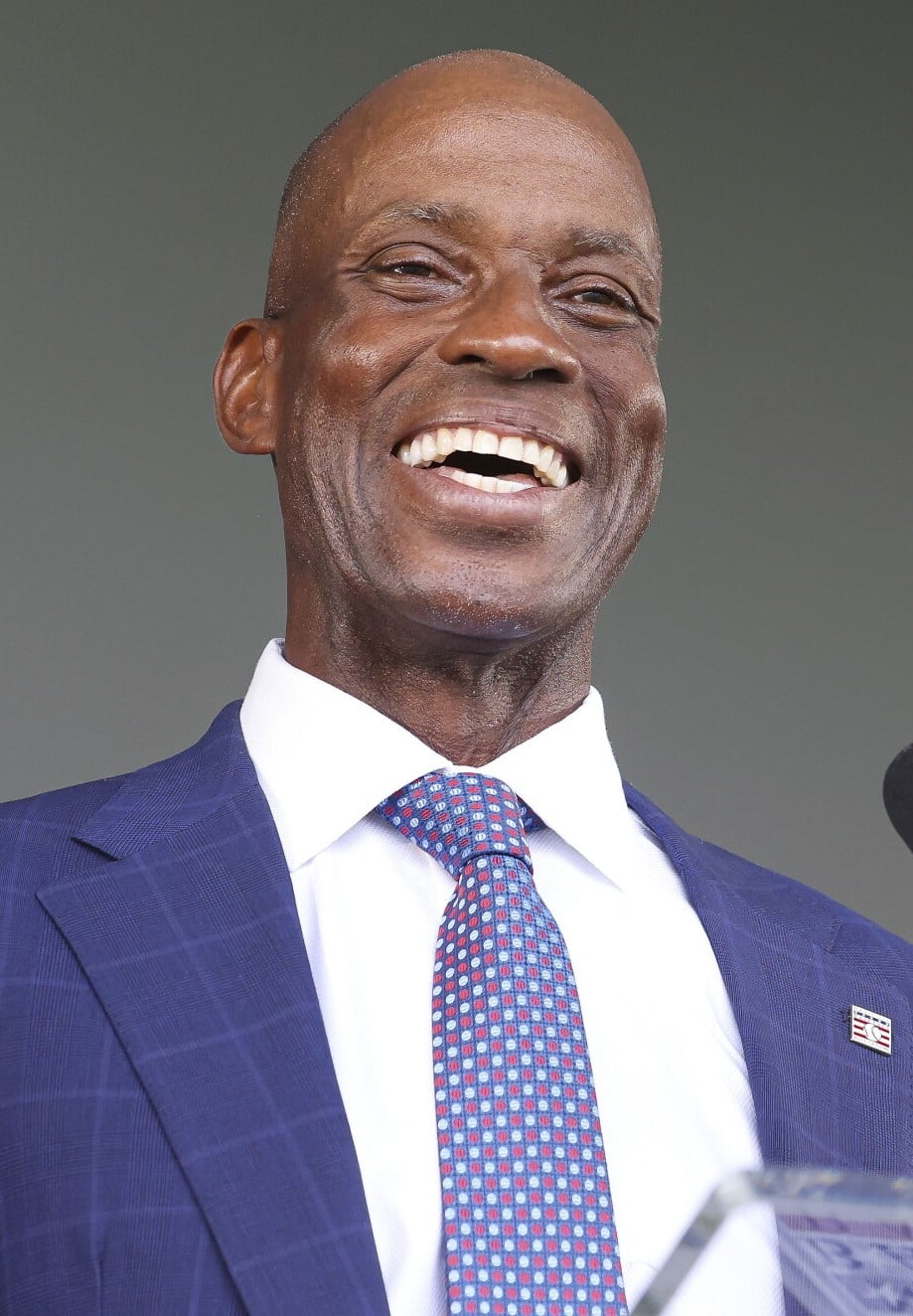
Fred McGriff
Inducted:
2023
Player Stats
6-3, 200 lb
190 cm, 90 kg
Born
October 31, 1963
Tampa, Florida, U.S.
Position:
First Baseman
College:
Thomas Jefferson HS
Fred McGriff was one of the most consistent power hitters of his generation, building a 19-year MLB career as a dependable left-handed first baseman. Known as “Crime Dog,” he played for the Toronto Blue Jays, San Diego Padres, Atlanta Braves, Tampa Bay Devil Rays, Chicago Cubs and Los Angeles Dodgers.
McGriff reached 30 home runs in 10 seasons and became the first player since the dead-ball era to lead both the American and National Leagues in home runs. He was a five-time All-Star and three-time Silver Slugger winner, while his 1994 All-Star Game MVP award highlighted one of his best seasons. McGriff helped the Braves win the 1995 World Series and finished his career with 2,490 hits, 493 home runs, 1,550 RBI and a .284 batting average.
He was elected unanimously to the National Baseball Hall of Fame in 2023.
McGriff's Awards and Honors
- 5× All-Star (1992, 1994–1996, 2000)
- World Series champion (1995)
- 3× Silver Slugger Award (1989, 1992, 1993)
- 2× Home run leader (1989, 1992)
- First player since the dead-ball era to lead both leagues in home runs
- One of only two players to hit 30 home runs for five different MLB teams
MLB Teams
Toronto Blue Jays (1986–1990)
San Diego Padres (1991–1993)
Atlanta Braves (1993–1997)
Tampa Bay Devil Rays (1998–2001, 2004)
Chicago Cubs (2001–2002)
Los Angeles Dodgers (2003)
MLB Draft
1981, 9th round
New York Yankees
Number Worn
19, 27, 28, 29
MLB Stats
Seasons:
19 (1986–2004)
Games:
2,460
At Bats:
8,757
Hits:
2,490
Runs:
1,349
Doubles:
441
Triples:
24
Home Runs:
493
RBI:
1,550
Stolen Bases:
72
Batting Average:
.284
Freddie Lindstrom
Inducted:
1976
Player Stats
5-11, 170lb (180cm, 77kg)
Born:
November 21, 1905
Chicago, Illinois, U.S.
Died:
October 4, 1981
Chicago, Illinois, U.S.
Position:
Third baseman
Outfielder
College:
Loyola Academy
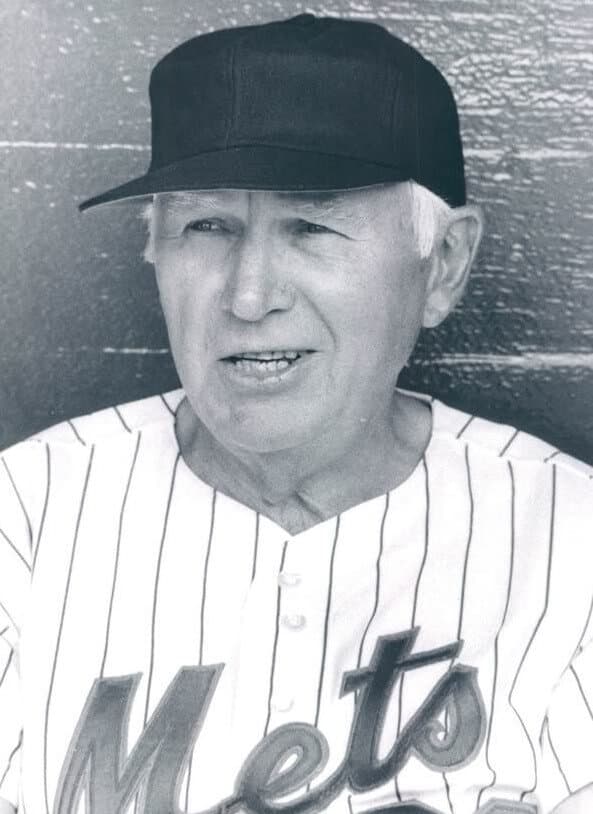
Freddie Lindstrom, born November 21, 1905, in Chicago, Illinois, was one of baseball’s brightest stars of the late 1920s and 1930s. Debuting at just 18 with the New York Giants, he quickly became known for his superb contact hitting, speed, and versatility in the field.
Primarily a third baseman and outfielder, Lindstrom posted a career .311 batting average over 13 seasons with the Giants, Pittsburgh Pirates, Chicago Cubs, and Brooklyn Dodgers. His finest season came in 1930, when he batted .379 with 231 hits, cementing his status among the league’s elite. A two-time All-Star and consistent run producer, he totaled 1,747 hits, 103 stolen bases, and 779 RBIs before retiring at age 31 due to injuries.
Despite his relatively short career, Lindstrom’s impact as one of the premier hitters of his era earned him induction into the Baseball Hall of Fame in 1976, where he is remembered as a natural talent with an exceptional bat.
Lindstrom's Awards and Honors
- 2× All-Star selection (1933, 1934)
- .379 batting average in 1930 (career-high)
- 231 hits in 1930, one of the highest single-season totals of his era
MLB Records
- Youngest player (18) to appear in a World Series at the time (1924)
- Recorded over 230 hits in a season (1930), a rare feat in MLB history
- Known for versatility, excelling at both third base and the outfield
MLB Teams
New York Giants (1924–1932)
Pittsburgh Pirates (1933–1934)
Chicago Cubs (1935)
Brooklyn Dodgers (1936)
Number Worn:
21
MLB Stats
Seasons:
1924–1936
Games Played:
1,438
Batting Average:
.311
Hits:
1,747
Home Runs:
103
Runs:
895
RBIs:
779
"Every Inning is History. Every Fan is a Legacy"
From the crack of the bat to the final out, celebrate the heritage of the game. Whether you're chasing Cooperstown legends of today’s stars, find your official colors and wear the history of the diamond.
Shop the Official MLB Collection









MLB Hall of Fame
The MLB Hall of Fame is a revered institution dedicated to honoring the greatest contributions to baseball. Located in Cooperstown, New York, it serves as a shrine to the game's rich history and the legendary players who have left an indelible mark on the field. Each year, the Hall of Fame holds an induction ceremony that celebrates the newest members of its prestigious ranks, commonly referred to as the Hall of Fame class.
These ceremonies are significant events in the baseball calendar, drawing fans, players, and media worldwide to witness the acknowledgment of baseball's finest. The inductees are celebrated for their remarkable career achievements, which include outstanding statistics, memorable performances, and contributions that have shaped the game. The Hall recognizes players, managers, umpires, and contributors who have significantly impacted the sport.
Among the many iconic moments celebrated within the Hall are record-breaking home runs, historic games, and unforgettable plays that have become a part of baseball lore. Each inductee's journey to the Hall is a testament to their skill, perseverance, and dedication to the sport. The Hall of Fame also outlines the eligibility criteria, ensuring a fair and transparent selection process.
Visitors to the Hall can explore exhibits featuring historical contributions from various eras of baseball, showcasing memorabilia, photographs, and artifacts that tell the game's story. From famous inductees like Babe Ruth and Jackie Robinson to the more recent stars, the Hall preserves the legacy of these athletes, allowing future generations to appreciate their greatness.
In addition to the exhibits, the Hall of Fame hosts numerous events throughout the year, including educational programs and community outreach initiatives, to foster a love for baseball among young fans. The memorable speeches during induction ceremonies often reflect on the inductees' journeys, the challenges they faced, and their impact on their teams and the sport.
Ultimately, the MLB Hall of Fame celebrates excellence in baseball, a place where the past is remembered and the future is inspired. It is a vital part of baseball culture, ensuring that the stories of its greatest players are never forgotten and continue to resonate with fans worldwide.