
Search By First Name of the HOFers
Bert Blyleven
Inducted:
1911

Player Stats
6-3, 200lb
190cm, 90kg
Born
April 6, 1951
Zeist, Netherlands
Position:
Pitcher
College:
Santiago HS
Bert Blyleven was a Dutch-American professional baseball pitcher who played 22 seasons in Major League Baseball from 1970 to 1992. Known for his outstanding curveball, he pitched for the Minnesota Twins, Texas Rangers, Pittsburgh Pirates, Cleveland Indians and California Angels. Blyleven won two World Series championships, earning his first with Pittsburgh in 1979 and his second with Minnesota in 1987. He was selected to two All-Star Games and led the American League in strikeouts in 1985.
On September 22, 1977, he threw a no-hitter against the California Angels while pitching for the Texas Rangers. Blyleven finished his career with 287 wins, 3,701 strikeouts, 60 shutouts and a 3.31 earned run average over 4,970 innings. His remarkable longevity and pitching accomplishments established him as one of baseball’s most respected pitchers. In 2011, he was inducted into the National Baseball Hall of Fame, becoming the first Dutch-born player to receive this honor.
Blyleven's Awards and Honors
- 2× All-Star (1973, 1985)
- 2× World Series champion (1979, 1987)
- AL strikeout leader (1985)
- Pitched a no-hitter on September 22, 1977
- 10 consecutive complete games in 1985
- Three consecutive shutout games in 1976
- Minnesota Twins No. 28 retired in 2011
MLB Records
- 5th in MLB history in career strikeouts, with 3,701
- 9th in MLB history in career shutouts, with 60
- 14th in MLB history in career innings pitched, with 4,970
- Eight seasons with 200 or more strikeouts
- First Dutch-born player inducted into the National Baseball Hall of Fame
MLB Career
Minnesota Twins (1970–1976,1985–1988)
Texas Rangers (1976–1977)
Pittsburgh Pirates (1978–1980)
Cleveland Indians (1981–1985)
California Angels (1989–1990, 1992)
MLB Draft
1969, 3rd Round (55th Overall)
Minnesota Twins
Number Worn
28
MLB Stats
Seasons:
22
Games:
692
Wins:
287
Losses:
250
Games Started:
685
Shutouts:
60
Innings Pitched:
4,970.0
Earned Runs:
1,830
Home Runs Allowed:
430
Walks:
1,322
Strikeouts:
3,701
ERA:
3.31
WHIP:
1.198
Bill Dickey
Inducted:
1954

Player Stats
Born:
June 6, 1907
Bastrop, Louisiana, U.S.
Died:
November 12, 1993
Little Rock, Arkansas, U.S.
Position:
Catcher
Manager
College:
Little Rock College
Bill Dickey was one of the greatest catchers in baseball history and a key part of the New York Yankees dynasty of the 1930s and 1940s. A smooth left-handed hitter and rock-solid defender, Dickey played his entire 17-year career with the Yankees.
He was a model of consistency, batting over .300 in eight seasons and driving in 100 or more runs four times. Behind the plate, he commanded respect with his leadership and strong throwing arm, guiding a pitching staff that included legends like Lefty Gomez and Red Ruffing. Dickey helped the Yankees win eight World Series titles and later served as a mentor to Yogi Berra, helping shape the next generation of catching excellence.
He missed two years due to military service during World War II but returned to contribute both as a player and a coach. Dickey was elected to the Hall of Fame in 1954.
Dickey's Awards and Honors
- 11× All-Star (1933, 1934, 1936–1943, 1946)
- 7× World Series champion (1932, 1936–1939, 1941, 1943)
- New York Yankees No. 8 retired
- Monument Park honoree
MLB Records
- Most World Series titles by a catcher (8)
- First catcher in MLB history with four 100-RBI seasons
- .313 career batting average – among the highest for a catcher
- Catcher for the first official MLB All-Star Game (1933)
- 13 consecutive seasons catching 100+ games (1930–1942)
MLB Teams
As Player
New York Yankees (1928–1943, 1946)
As manager
New York Yankees (1946)
Number Worn:
8
MLB Stats
Seasons:
17 (1928–1946)
Games Played:
1,789
Hits:
1,969
Batting Average:
.313
Home Runs:
202
RBIs:
1,209
Runs Scored:
930
On-Base Percentage:
.382
Slugging Percentage:
.486
OPS:
.868
Bill Klem
Inducted:
1953
Umpire Stats
Born:
February 22, 1874
Rochester, New York, U.S.
Died:
September 16, 1951
Miami, Florida, U.S.
Position:
Umpire
College:
NA
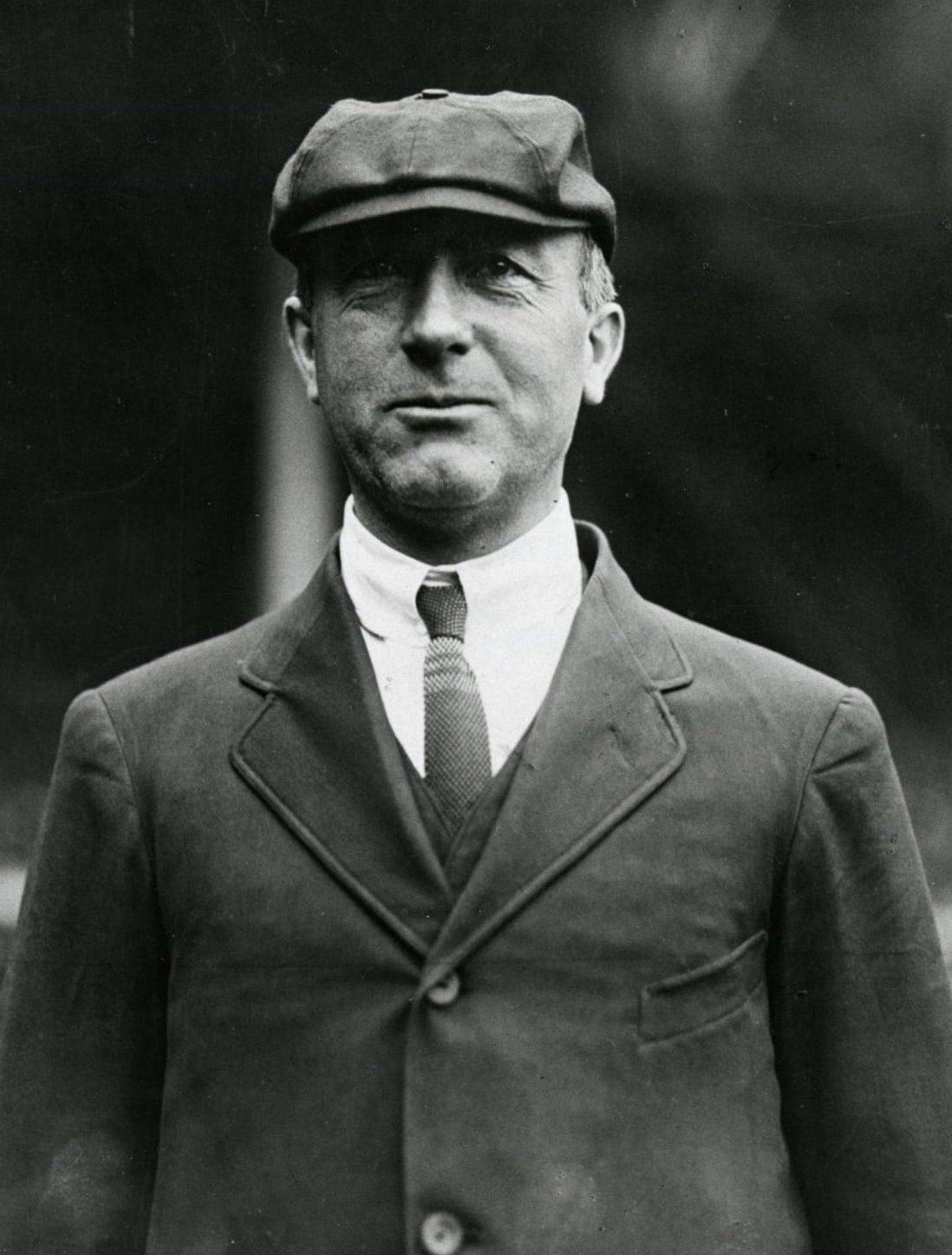
Bill Klem is widely considered the father of modern umpiring. Serving as a National League umpire from 1905 to 1941, Klem brought professionalism, authority, and innovation to the role. He was the first to use hand signals for balls and strikes, setting a new standard in communication and consistency.
Known for his booming voice, fierce command of the game, and commitment to integrity, Klem umpired 18 World Series—more than any other umpire in history. His 5,375 career games umpired remains one of the highest totals ever. Klem demanded respect on the field and viewed umpiring as a sacred responsibility, famously stating, “It ain't nothing till I call it.”
He fiercely defended the dignity of the profession and was instrumental in elevating the public perception of umpires. His legacy lives on through every official who follows in his footsteps. Klem was elected to the Hall of Fame in 1953, becoming the first umpire ever inducted.
Klem's Awards and Honors
- First umpire inducted into the National Baseball Hall of Fame (1953)
- Most World Series umpired in MLB history (18)
- One of the longest careers by any MLB umpire (37 seasons)
- Introduced hand signals to umpiring
- Nicknamed “The Old Arbitrator” for his authoritative style
- Umpired MLB’s first All-Star Game in 1933
- Member of the MLB All-Century Team (umpire category)
MLB Tenure
National League (1905–1941)
MLB Stats
Games Umpired:
5,375
World Series Umpired:
18
All-Star Games Umpired:
2 (1933, 1938)
Ejections:
251
Bill McKechnie
Inducted:
1962
Manager Stats
5-10, 160lb (178cm, 72kg)
Born:
August 7, 1886
Wilkinsburg, Pennsylvania, U.S.
Died:
October 29, 1965
Bradenton, Florida, U.S.
Position:
Third baseman
Manager
College:
NA
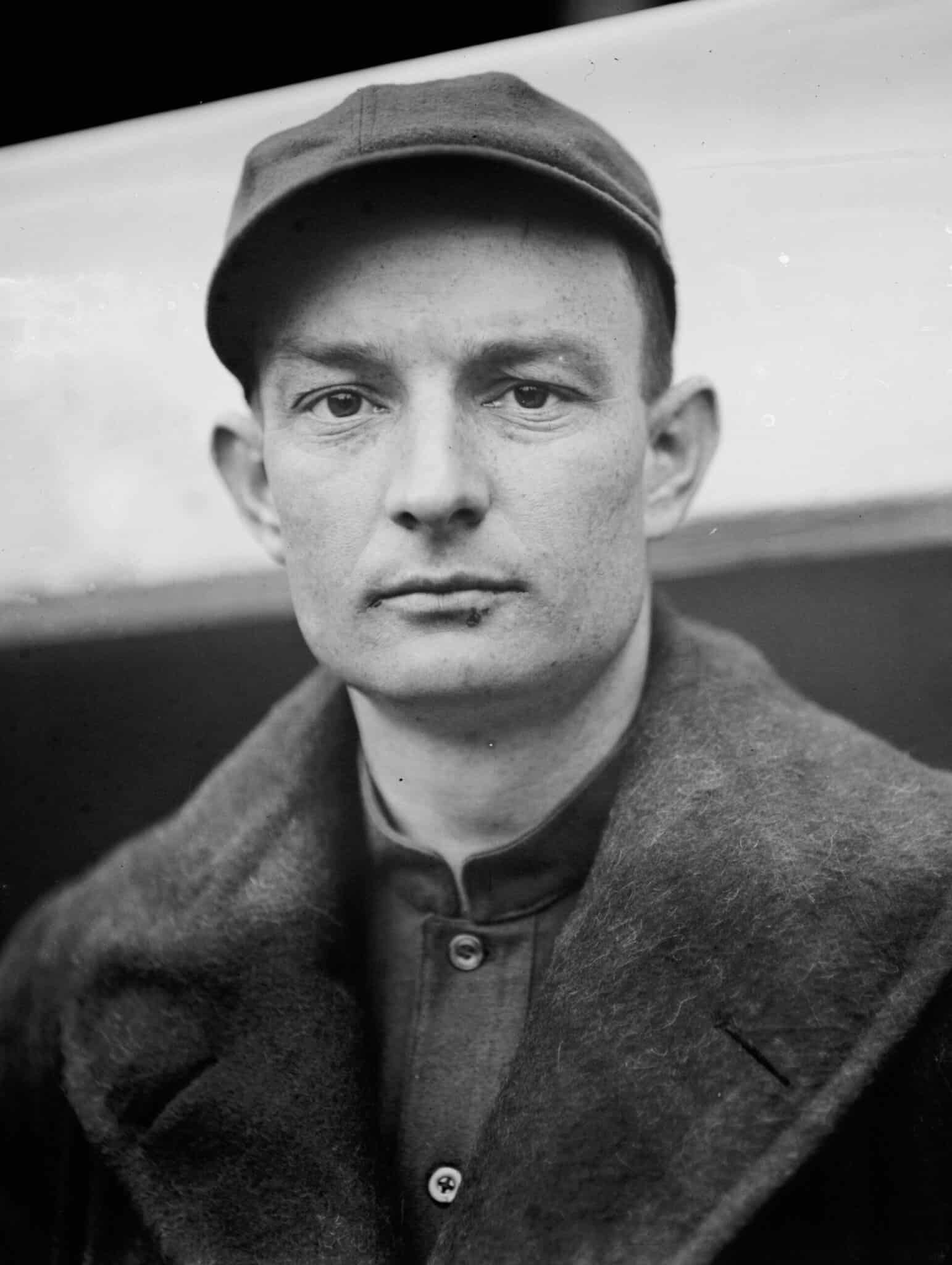
Bill McKechnie was one of baseball’s most respected and successful managers, known for his calm leadership and ability to unify teams. Nicknamed “Deacon” for his steady demeanor, McKechnie led three different franchises to pennants and won two World Series titles — one with the Pittsburgh Pirates (1925) and another with the Cincinnati Reds (1940).
He was the first manager in MLB history to win a pennant with three different teams (Pirates, Cardinals, Reds), and finished his career with 1,896 wins over 25 seasons. McKechnie emphasized fundamentals, defense, and discipline, earning the trust of his players without ever needing to raise his voice.
He was inducted into the Baseball Hall of Fame in 1962, recognized not for fiery tactics but for building teams that played smart, winning baseball.
McKechnie's Awards and Honors
- 3× World Series champion (1925, 1940, 1948)
- Cincinnati Reds Hall of Fame
- McKechnie Field in Bradenton, Florida named in his honor
- Known for quiet discipline, strategy, and team unity
- Built championship teams through consistency, defense, and respect
MLB Records
- First manager in MLB history to win pennants with three different teams
- 1,896 career wins – ranked 4th all-time at the time of his retirement
- Two-time World Series Champion – 1925 (Pirates), 1940 (Reds)
MLB Teams
As Manager
Pittsburgh Pirates (1922–1926)
St. Louis Cardinals (1928–1929)
Boston Braves/Bees (1930–1937)
Cincinnati Reds (1938–1946)
MLB Stats
Seasons Managed:
25 (1915–1946)
Games managed:
3,647
Career Record:
1,896–1,723
Winning (%):
.524
World Series Titles:
2 (1925 – Pirates, 1940 – Reds)
Pennants:
4
Bill Terry
Inducted:
1954

Player Stats
6-1, 200lb (185cm, 90kg)
Born:
October 30, 1898
Atlanta, Georgia, U.S.
Died:
January 9, 1989
Jacksonville, Florida, U.S.
Position:
First baseman
College:
NA
Bill Terry was a smooth-swinging first baseman and the last National League player to hit over .400 in a season. Playing his entire MLB career with the New York Giants, Terry was a consistent offensive force during the late 1920s and early 1930s. In 1930, he batted .401, a mark that still stands unmatched in NL history. A career .341 hitter, Terry recorded six 100-RBI seasons and led the league in hits and average during his peak.
Known for his balanced hitting and reliable glove, he was a 3-time All-Star and transitioned seamlessly into managing the Giants after his playing days. As a manager, he guided New York to a World Series title in 1933. Terry was elected to the Hall of Fame in 1954, recognized as one of the best hitters and most respected player-managers of his era.
Terry's Awards and Honors
- 3× All-Star (1933–1935)
- World Series champion (1933)
- NL batting champion (1930)
- San Francisco Giants No. 3 retired
MLB Records
- Last National League player to hit .400 in a season
- Only NL first baseman with a .400 season
- Led NL in hits twice
- Six 100-RBI seasons
- Player-manager to win the World Series (1933)
- Managed the Giants for nine seasons (1932–1941)
MLB Teams
As player
New York Giants (1923–1936)
As manager
New York Giants (1932–1941)
Number Worn:
3
MLB Stats
Seasons:
14 (1923–1936)
Games Played:
1,721
Hits:
2,193
Batting Average:
.341
Home Runs:
154
RBI:
1,078
Runs:
1,120
On-Base Percentage:
.393
Slugging Percentage:
.506
Managerial record:
823–661
Winning (%):
.555
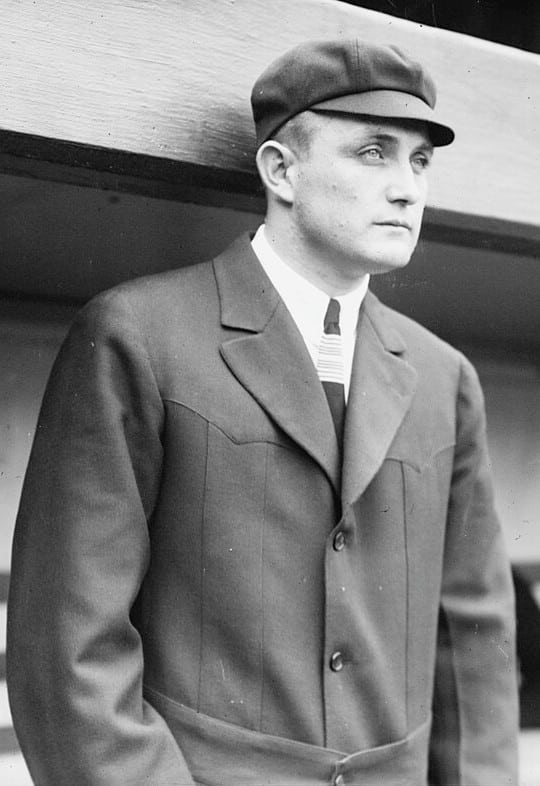
Billy Evans
Inducted:
1973
Umpire Stats
5-11, 205lb (180cm, 92kg)
Born:
February 10, 1884
Chicago, Illinois, U.S.
Died:
January 23, 1956
Miami, Florida, U.S.
Position:
Umpire
College:
Cornell University
Billy Evans was one of the most respected umpires and baseball executives in the early 20th century. Born in 1884, he made his mark as a Major League umpire in the American League from 1906 to 1927. Known for his keen judgment, fairness, and ability to maintain control of the game, Evans became one of the most trusted officials of his era. Beyond umpiring, he contributed significantly to baseball administration, helping improve league rules and player relations.
Evans’ career included officiating in multiple World Series and All-Star Games, earning him widespread recognition for his professionalism. In 1953, he was inducted into the Baseball Hall of Fame, becoming one of the few umpires to receive this honor. His impact extended beyond the field as he helped shape the development of baseball standards and practices. Evans’ dedication to the sport left a lasting legacy as both an official and an innovator.
Evans' Award and Honors
- 2× World Series champion (1921, 1922)
- Consistent top hitter in National League
- Posthumous Baseball Hall of Fame Inductee (1972)
Notable Achievements
- Career cut short by illness at age 30
- Key contributor to Giants’ dominance in the 1920s
- Renowned for contact hitting, speed, and defensive skill
MLB Tenure
Baseball umpire (1906–1927)
MLB Stats
MLB Seasons:
22 (1906–1927)
Games Umpired:
3,319
World Series Officiated:
6
All-Star Games Officiated:
1
Billy Hamilton
Inducted:
1961

Player Stats
5-6, 165lb (168cm, 74kg)
Born:
February 16, 1866
Newark, New Jersey, U.S.
Died:
December 15, 1940
Worcester, Massachusetts, U.S.
Position:
Outfielder
College:
NA
Billy Hamilton, nicknamed "Sliding Billy," was one of the fastest and most prolific base runners in baseball history. Playing from 1888 to 1901, Hamilton starred for the Kansas City Cowboys, Philadelphia Phillies, and Boston Beaneaters. He led the league in stolen bases five times and finished his career with 914 steals — still one of the highest totals in MLB history.
Equally dangerous at the plate, Hamilton batted over .300 in 12 of his 14 seasons and posted a career on-base percentage of .455, ranking among the best all time. His 1,697 career runs scored stood as the MLB record until the late 20th century. Incredibly, he scored more runs than games played — a rare and elite distinction.
Inducted into the Hall of Fame in 1961, Hamilton remains a symbol of speed, smarts, and relentless pressure on defenses during baseball’s early years.
Hamilton's Awards and Honors
- 2× NL batting champion (1891, 1893)
- 5× NL stolen base leader (1889–1891, 1894, 1895)
- MLB record 198 runs, single season
- Philadelphia Phillies jersey retired
- Philadelphia Phillies Wall of Fame
MLB Records
- Scored more runs (1,697) than games played (1,594)
- Ranks 1st in career runs per game – 1.06, the highest in MLB history
- Stole 914 career bases – ranked 3rd all-time behind Rickey Henderson and Lou Brock
- .455 career on-base percentage – still top 10 in MLB history
- Stole 7 bases in a single game (August 31, 1894) – tied for most in MLB history
- Led the National League in stolen bases five times (1890–1891, 1893–1894, 1898)
MLB Teams
Kansas City Cowboys (1888–1889)
Philadelphia Phillies (1890–1895)
Boston Beaneaters (1896–1901)
MLB Stats
Seasons:
14 (1888–1901)
Games Played:
1,594
Hits:
2,164
Batting Average:
.344
On-Base Percentage:
.455
Home Runs:
40
RBIs:
742
Runs Scored:
1,697
Stolen Bases:
914
Billy Herman
Inducted:
1975
Player Stats
5-11, 180lb (180cm, 81kg)
Born:
July 7, 1909
New Albany, Indiana, U.S.
Died:
September 5, 1992
West Palm Beach, Florida, U.S.
Position:
Second baseman
Manager
College:
New Albany HS (New Albany, IN)
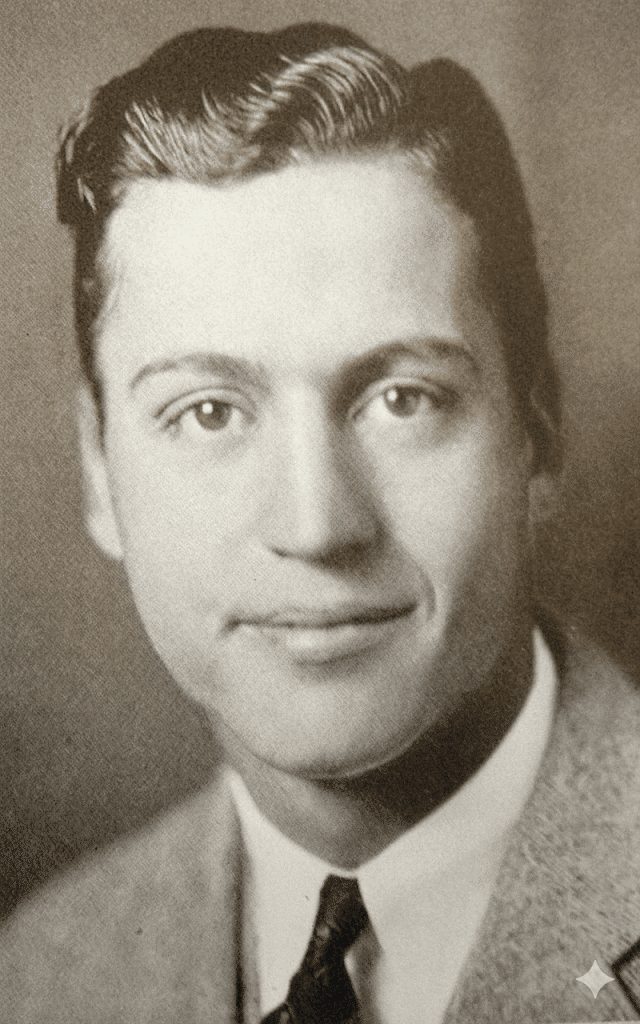
Billy Herman, born July 7, 1909, in New Albany, Indiana, was one of the finest second basemen of his generation. Known for his consistency at the plate and steady defense, Herman played 15 Major League seasons from 1931 to 1947, most notably with the Chicago Cubs. A natural contact hitter, he recorded a career .304 batting average with over 2,300 hits and was selected to 10 All-Star Games.
Herman played in four World Series during his career, bringing reliability and leadership to every club he joined, including the Cubs, Brooklyn Dodgers, Boston Braves, and Pittsburgh Pirates. Beyond his playing career, Herman also served as a manager and coach, further influencing the game. His combination of offensive production, defensive skill, and team-first mentality made him one of the premier infielders of the 1930s and 1940s.
Inducted into the National Baseball Hall of Fame in 1975, Herman’s legacy is that of a complete second baseman and respected baseball figure.
Herman's Awards and Honors
- 10× All-Star (1934–1943)
- Chicago Cubs Hall of Fame
- 4× World Series appearances (1932, 1935, 1938, 1941)
MLB Records
- Career .304 batting average across 15 years
- Recorded over 200 hits in three separate seasons
- Consistently ranked among top defensive second basemen of his era
- One of the most reliable contact hitters and infield leaders of the 1930s–40s
MLB Teams
As player
Chicago Cubs (1931–1941)
Brooklyn Dodgers (1941–1943, 1946)
Boston Braves (1946)
Pittsburgh Pirates (1947)
As manager
Pittsburgh Pirates (1947)
Boston Red Sox (1964–1966)
Number Worn:
2
MLB Stats
Season Played:
1931–1947
Games Played:
1,922
Hits:
2,345
Batting Average:
.304
Home Runs:
47
RBIs:
839
Runs:
1,163
Doubles:
486
Triples:
82
Managerial record:
189–274
Winning %:
.408
Billy Wagner
Inducted:
2025
Player Stats
5-10, 180lb (178cm, 82kg)
Born
July 25, 1971
Marion, Virginia, U.S.
Position:
Pitcher
College:
Ferrum College
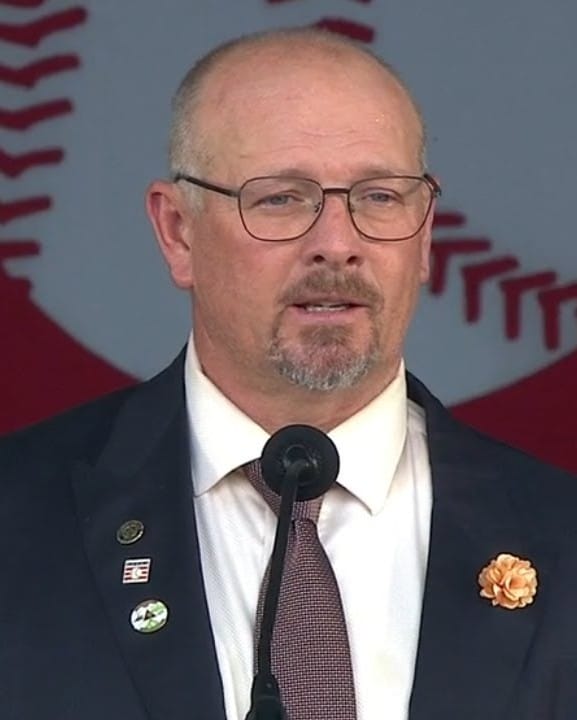
Billy Wagner, nicknamed “Billy the Kid,” was a dominant left-handed relief pitcher who spent 16 seasons in Major League Baseball with the Houston Astros, Philadelphia Phillies, New York Mets, Boston Red Sox and Atlanta Braves. Despite his relatively small stature, Wagner became one of the most overpowering closers of his generation, regularly throwing a fastball that exceeded 100 mph. He finished his career with 422 saves, 1,196 strikeouts, a 2.31 ERA and a 0.998 WHIP.
Wagner became only the fifth pitcher in MLB history to reach 400 career saves and the first left-handed relief pitcher elected to the National Baseball Hall of Fame. He was selected to seven All-Star Games and won the 1999 National League Rolaids Relief Award. The Baseball Writers’ Association of America elected Wagner to the Hall of Fame in 2025 in his final year of eligibility.
Wagner's Awards and Honors
- 7× MLB All-Star (1999, 2001, 2003, 2005, 2007–2008, 2010)
- NL Rolaids Relief Award (1999)
- 2× NL Games Finished Leader (2003, 2005)
- 422 career saves — second-most among left-handed relievers in MLB history
- In 2025,Wagner was elected to the Baseball Hall of Fame
- First left-handed relief pitcher elected to the Baseball Hall of Fame
- First player from an NCAA Division III school to be elected to the Hall of Fame
MLB Teams
Houston Astros (1995–2003)
Philadelphia Phillies (2004–2005)
New York Mets (2006–2009)
Boston Red Sox (2009)
Atlanta Braves (2010)
MLB Draft
1993, 1st Round, 12th Overall
Houston Astros
Number Worn
13
MLB Stats
Seasons:
16 (1995–2010)
Games:
853
Wins:
47
Losses:
40
Winning Percentage:
.540
Saves:
422
Innings Pitched:
903
Home Runs:
82
Strikeouts:
1,196
ERA:
2.31
WHIP:
0.998
Jose Mendez
Inducted:
2006
Player Stats
5-10, 152 lb
178cm, 69kg
Born
January 2, 1885
Cardenas, Matanzas, Cuba
Died:
October 31, 1928
Havana, Cuba
Position:
Pitcher
College:
NA
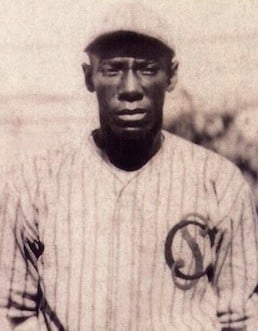
Jose de la Caridad Mendez, nicknamed “The Black Diamond,” was a Cuban baseball star celebrated as one of the most dominant pitchers of the early 20th century. Born in Cardenas, Cuba, he began his professional career in the early 1900s and competed in Cuban baseball and the Negro Leagues. Mendez was known for his deceptive fastball, sharp curveball, and ability to change speeds to keep hitters off balance.
He played for teams including the Chicago American Giants, Detroit Stars, and Kansas City Monarchs. Arm trouble eventually led him to play more often as an infielder, although he returned to pitching for important games. As player-manager of the Kansas City Monarchs, he led the team to the 1924 Negro Leagues World Series championship, winning two games as a pitcher during the series.
Mendez was posthumously inducted into the National Baseball Hall of Fame in 2006.
Mendez's Awards and Honors
- Negro Leagues World Series Champion: 1924
- 3× Negro National League pennant (1923–1925)
- Recognized as one of the greatest Cuban pitchers of his era
- Celebrated for his exceptional pitching and leadership
- Helped establish the Kansas City Monarchs as a dominant Negro Leagues team
MLB Teams
Kansas City Monarchs (1920–1926)
MLB Stats
Seasons:
7 (1920-1926)
Games:
71
Wins:
32
Losses:
9
Games Started:
32
Complete Games:
16
Earned Runs:
126
Earned run average:
3.46
Strikeouts:
141
Batting average:
.234
Home runs:
3
Runs batted in:
57
WHIP:
1.242
Bob Feller
Inducted:
1962

Player Stats
6-0, 185lb (183cm, 83kg)
Born:
November 3, 1918
Van Meter, Iowa, U.S.
Died:
December 15, 2010
Cleveland, Ohio, U.S.
Position:
Pitcher
College:
NA
Bob Feller was one of the most dominant and fearless pitchers in baseball history. Bursting onto the scene at just 17 years old with the Cleveland Indians, Feller became known for his blazing fastball, earning the nickname “Rapid Robert.” He led the American League in strikeouts seven times and threw three career no-hitters — one of only a few pitchers to achieve that feat.
Feller missed nearly four full prime seasons serving in World War II, yet still finished with 266 wins and 2,581 strikeouts. He was an 8-time All-Star, a World Series champion, and the face of the Indians for two decades. Feller’s commitment to excellence on the mound and to service off the field made him a true American sports icon.
He was inducted into the Baseball Hall of Fame in 1962, his first year of eligibility.
Feller's Awards and Honors
- 8× All-Star (1938–1941, 1946–1948, 1950)
- World Series champion (1948)
- Triple Crown (1940)
- 6× AL wins leader (1939–1941, 1946–1947, 1951)
- AL ERA leader (1940)
- 7× MLB strikeout leader (1938–1941, 1946–1948)
- Pitched three no-hitters (1940, 1946, 1951)
MLB Records
- 3 career no-hitters (1938, 1940, 1946) – tied for 2nd-most in MLB history
- Only pitcher to throw a no-hitter on Opening Day – April 16, 1940 vs. White Sox
- Led the American League in strikeouts 7 times – 1938–1941, 1946–1948
- Led AL in wins 6 times – including 27 wins in 1940
- Voluntarily enlisted in the U.S. Navy the day after Pearl Harbor
MLB Teams
Cleveland Indians (1936–1941, 1945–1956)
MLB Stats
Seasons:
18 (1936–1956)
Games Played:
570
Wins–Losses:
266–162
ERA:
3.25
Strikeouts:
2,581
Shutouts:
44
Innings Pitched:
3,827
Complete Games:
279
Bob Gibson
Inducted:
1981

Player Stats
6-1, 189lb
185cm, 85kg
Born
November 9, 1935
Omaha, Nebraska, U.S.
Died
October 2, 2020
Omaha, Nebraska, U.S.
Position:
Pitcher
College:
Tech HS
Creighton University
Bob Gibson was an American professional baseball pitcher who spent his entire 17-season Major League Baseball career with the St. Louis Cardinals from 1959 to 1975. Known for his fierce competitiveness and powerful pitching, Gibson became one of baseball’s most dominant right-handed pitchers. His greatest season came in 1968, when he recorded a 1.12 earned run average, won 22 games, and struck out 268 batters.
That performance earned him both the National League Cy Young Award and MVP Award. Gibson helped the Cardinals win World Series championships in 1964 and 1967, earning World Series MVP honors both times. He finished his career with 251 wins and 3,117 strikeouts. Gibson was inducted into the National Baseball Hall of Fame in 1981 in his first year of eligibility.
Gibson's Awards and Honors
- 9× All-Star (1962, 1962², 1965–1970, 1972)
- 2× World Series champion (1964, 1967)
- NL MVP (1968)
- 2× NL Cy Young Award (1968, 1970)
- 2× World Series MVP (1964, 1967)
- 9× Gold Glove Award (1965–1973)
- NL wins leader (1970)
MLB Records
- MLB ERA leader (1968)
- Most Shutouts in a Season Since 1920
- Most Strikeouts in a World Series Game
- Consecutive eight complete-game starts in the World Series
- Second Pitcher to Reach 3,000 Career Strikeouts
MLB Teams
St. Louis Cardinals (1959–1975)
Number Worn
45
MLB Stats
Seasons:
17 (1959–1975)
Games:
528
Wins:
251
Losses:
174
Winning Percentage:
.591
Innings Pitched:
3,884⅓
Strikeouts:
3,117
Earned Run Average:
2.91
Complete Games:
255
Shutouts:
56
Saves:
6
Bob Lemon
Inducted:
1976

Player Stats
6-0, 180lb (183cm, 81kg)
Born:
September 22, 1920
San Bernardino, California, U.S.
Died:
January 11, 2000
Long Beach, California, U.S.
Position:
Pitcher
Manager
College:
NA
Bob Lemon, born September 22, 1920, in San Bernardino, California, became one of baseball’s most successful pitchers after beginning his career as an infielder. Converted to the mound with the Cleveland Indians, he developed into a dominant right-hander during the 1940s and 1950s. Over a 13-year career, Lemon posted a 207–128 record, a 3.23 ERA, and 1,277 strikeouts. He won 20 or more games seven times, helping lead Cleveland to the 1948 World Series championship.
Known for his durability and consistency, he led the league in complete games and innings pitched multiple times, showcasing remarkable stamina. Lemon was also an excellent hitting pitcher, recording 37 career home runs. After retiring as a player, he transitioned into managing, guiding the New York Yankees to the 1978 World Series title. Inducted into the Baseball Hall of Fame in 1976, Lemon is remembered as both a reliable ace and a steady leader who left a lasting impact on the game.
Lemon's Awards and Honors
- 7× All-Star (1948–1954)
- 2× World Series champion (1948, 1978)
- 3× AL wins leader (1950, 1954, 1955)
- AL strikeout leader (1950)
- Pitched a no-hitter on June 30, 1948
MLB Records
- Only pitcher to win 20+ games in each season from 1948–1950
- Holds record for most career home runs by a Cleveland Indians pitcher (37)
- One of the few players to make the Hall of Fame as both a standout pitcher and successful manager
MLB Teams
As player
Cleveland Indians (1941–1942, 1946–1958)
As manager
Kansas City Royals (1970–1972)
Chicago White Sox (1977–1978)
New York Yankees (1978–1979, 1981–1982)
Number Worn:
21
MLB Stats
Seasons:
1941, 1946–1958
Win–Loss Record:
207–128
Earned Run Average:
3.23
Strikeouts:
1,277
Game Pitched:
460
Complete Games:
188
Shutouts:
31
Career Home Runs (as pitcher):
37
Managerial record:
430–403
Winning (%):
.516
Bobby Cox
Inducted:
2014

Stats
Born
May 21, 1941
Tulsa, Oklahoma, U.S.
Died
May 9, 2026
Marietta, Georgia, U.S.
Position:
Manager
College:
Selma HS
Bobby Cox is remembered as one of baseball’s most successful managers, especially for the remarkable run he built with the Atlanta Braves. After managing Atlanta from 1978–81, he returned to the club in 1990 and guided the Braves through their dominant 1990s and 2000s era.
Cox led Atlanta to 14 consecutive division titles from 1991 through 2005, five National League pennants and the 1995 World Series championship. He also managed the Toronto Blue Jays from 1982–85, winning the AL East in 1985 and earning his first Manager of the Year Award.
Cox finished his 29-year managerial career with 2,504 wins and was inducted into the Baseball Hall of Fame in 2014.
Cox's Awards and Honors
- World Series Champion (1995 - Atlanta Braves)
- 4× BBWAA Manager of the Year (1985 - AL; 1991, 2004, 2005 - NL)
- 5× National League Pennant Winner (1991, 1992, 1995, 1996, 1999)
- 15× Division Champion (1985 - Blue Jays; 1991–1993, 1995–2005 - Braves)
- First manager to win Manager of the Year in both leagues
MLB Records
- 162 career managerial ejections — the MLB record
- 16 postseason appearances — an MLB managerial record
- 14 consecutive division titles with the Atlanta Braves
- 14 consecutive playoff appearances with Atlanta
- Only manager or player ejected from multiple World Series games
MLB Teams
Atlanta Braves (1978–1981)
Toronto Blue Jays (1982–1985)
Atlanta Braves (1990–2010)
MLB Stats
Managerial career:
29 seasons
Games managed:
4,508
Wins:
2,504
Losses:
2,001
Winning percentage:
.556
Atlanta Braves wins:
2,149
Toronto Blue Jays wins:
355
Division Titles Won:
15
National League Pennants:
5
World Series Championships:
1
Bobby Wallace
Inducted:
1953

Player Stats
Born:
November 4, 1873
Pittsburgh, Pennsylvania, U.S.
Died:
November 3, 1960
Torrance, California, U.S.
Position:
Shortstop
College:
NA
Bobby Wallace was one of baseball’s earliest and most respected defensive shortstops, playing across four decades from the 1890s to the 1910s. Beginning his career as a pitcher with the Cleveland Spiders, Wallace transitioned to the infield and became a defensive mainstay for the St. Louis Browns and Cardinals.
Known for his smooth glove, strong arm, and intelligence on the field, Wallace was widely considered the best shortstop of the dead-ball era. He recorded over 2,300 hits and played in more than 2,300 games, earning admiration for his steady bat and fielding consistency. Wallace also briefly managed and umpired in the major leagues, contributing to the game beyond just playing.
His career spanned 25 seasons, making him one of the most durable and enduring players of his time. Bobby Wallace was elected to the Hall of Fame in 1953, honoring his legacy as a pioneer of defensive excellence in baseball.
Wallace's Awards and Honors
- Inducted into National Baseball Hall of Fame (1953)
- Played 25 seasons – one of the longest careers in MLB history
- Considered the finest defensive shortstop of the dead-ball era
- 2,300+ hits and 1,100+ RBIs as a primarily defensive player
- Managed St. Louis Browns and Cincinnati Reds
- Served briefly as a major league umpire
- Member of MLB’s All-Time Team (selected in 1969)
MLB Records
- One of the longest careers in MLB history (25 seasons)
- First Hall of Famer with over 2,000 games at shortstop
- Among the first true two-way MLB players
- Held the record for most games played at shortstop (2,083)
MLB Teams
Cleveland Spiders (1894–1898)
St. Louis Perfectos / Cardinals (1899–1901)
St. Louis Browns (1902–1916)
St. Louis Cardinals (1917–1918)
MLB Stats
Seasons:
25 (1894–1918)
Games Played:
2,383
Hits:
2,309
Batting Average:
.268
Home Runs:
34
RBIs:
1,121
Runs Scored:
1,057
Stolen Bases:
201
Doubles:
389
"Every Inning is History. Every Fan is a Legacy"
From the crack of the bat to the final out, celebrate the heritage of the game. Whether you're chasing Cooperstown legends of today’s stars, find your official colors and wear the history of the diamond.
Shop the Official MLB Collection









MLB Hall of Fame
The MLB Hall of Fame is a revered institution dedicated to honoring the greatest contributions to baseball. Located in Cooperstown, New York, it serves as a shrine to the game's rich history and the legendary players who have left an indelible mark on the field. Each year, the Hall of Fame holds an induction ceremony that celebrates the newest members of its prestigious ranks, commonly referred to as the Hall of Fame class.
These ceremonies are significant events in the baseball calendar, drawing fans, players, and media worldwide to witness the acknowledgment of baseball's finest. The inductees are celebrated for their remarkable career achievements, which include outstanding statistics, memorable performances, and contributions that have shaped the game. The Hall recognizes players, managers, umpires, and contributors who have significantly impacted the sport.
Among the many iconic moments celebrated within the Hall are record-breaking home runs, historic games, and unforgettable plays that have become a part of baseball lore. Each inductee's journey to the Hall is a testament to their skill, perseverance, and dedication to the sport. The Hall of Fame also outlines the eligibility criteria, ensuring a fair and transparent selection process.
Visitors to the Hall can explore exhibits featuring historical contributions from various eras of baseball, showcasing memorabilia, photographs, and artifacts that tell the game's story. From famous inductees like Babe Ruth and Jackie Robinson to the more recent stars, the Hall preserves the legacy of these athletes, allowing future generations to appreciate their greatness.
In addition to the exhibits, the Hall of Fame hosts numerous events throughout the year, including educational programs and community outreach initiatives, to foster a love for baseball among young fans. The memorable speeches during induction ceremonies often reflect on the inductees' journeys, the challenges they faced, and their impact on their teams and the sport.
Ultimately, the MLB Hall of Fame celebrates excellence in baseball, a place where the past is remembered and the future is inspired. It is a vital part of baseball culture, ensuring that the stories of its greatest players are never forgotten and continue to resonate with fans worldwide.