
Search by the First Name of the HOFers
Jo Jo White
Inducted:
2015

Player Stats
6 ft 3 in (1.91 m)
190 lb (86 kg)
Born:
November 16, 1946
St. Louis, Missouri, U.S.
Died:
January 16, 2018
Boston, Massachusetts, U.S.
Position:
Point guard
College:
Kansas (1965–1969)
Jo Jo White was the heart and soul of the Boston Celtics during the 1970s, known for his durability, clutch shooting, and leadership at point guard. Drafted ninth overall in 1969, White became a central figure in Boston’s transition after Bill Russell’s retirement. He played 10 seasons with the Celtics, guiding the team to two NBA championships in 1974 and 1976. White’s relentless style and consistency earned him seven consecutive All-Star selections.
His most iconic performance came in the 1976 NBA Finals, when he played 60 minutes and scored 33 points in the legendary triple-overtime Game 5 against Phoenix, earning Finals MVP. Renowned for his ironman streak, he played 488 consecutive games and was a steady two-way presence throughout his career. White retired with over 14,000 career points and left a legacy of resilience and excellence. Inducted into the Hall of Fame in 2015, he remains one of the Celtics’ all-time great guards.
White's Awards and Honors
- 2× NBA champion (1974, 1976)
- NBA Finals MVP (1976)
- 7× NBA All-Star (1971–1977)
- 2× All-NBA Second Team (1975, 1977)
- NBA All-Rookie First Team (1970)
- 2× Consensus second-team All-American (1968, 1969)
NBA Teams
Boston Celtics (1969–1979)
Golden State Warriors (1979–1980)
Kansas City Kings (1980–1981)
Topeka Sizzlers (1987)
NBA Draft:
1969: 1st round, 9th overall pick
Boston Celtics
Number Worn:
10, 12
NBA Stats
Seasons:
1969–1981
Games Played:
837
Points:
14,399 (17.2 ppg)
Rebounds:
3,345 (4.0 rpg)
Assists:
4,095 (4.9 apg)
FG %:
44.4%
3P %:
16.7%
FT %:
83.4
Joan Crawford
Inducted:
1997

Player Stats
5 ft 11 in.
Born
August 22, 1937,
Fort Smith, Arkansas
Position
Center
College
Clarendon Junior College
Joan Crawford was a dominant force in the era of Amateur Athletic Union (AAU) basketball, which was the premier level of competition for women before the NCAA or WNBA existed. She led NBC to an incredible 10 AAU National Championships, including eight in a row from 1962 to 1969. She was a key member of the 1957 U.S. World Championship team that famously defeated the Soviet Union for the Gold Medal. She also earned two additional Gold Medals at the Pan American Games (1959, 1963). A model of consistency and longevity, she was named an AAU All-American in 13 consecutive seasons. She was inducted into the Naismith Memorial Basketball Hall of Fame in 1997.
Crawford's Awards and Honors
- Women’s Basketball Hall of Fame (Inaugural Class, 1999)
- Amateur Athletic Union (AAU) Hall of Fame
- 13x AAU All-American (1957–1969)
- Gold Medalist (1957 FIBA World Championship)
- 2x Gold Medalist (1959, 1963 Pan American Games)
- Was named Most Valuable Player at the 1963 and 1964 AAU National Tournaments
- Collected a pair of gold medals at the 1959 and 1963 Pan American Games
Teams
Chicago (1959)
São Paulo (1963)
National Team
Brazil
Stats
AAU National Titles:
10 (1958, 1960, 1962–1969)
AAU All-American:
13 Consecutive Selections
World Championship Gold:
1 (1957)
Pan American Gold:
2 (1959, 1963)
AAU National MVP:
2 (1963, 1964)
International PPG:
16.3 ppg (1963 Pan Am Games)
Jody Conradt
Inducted:
1998
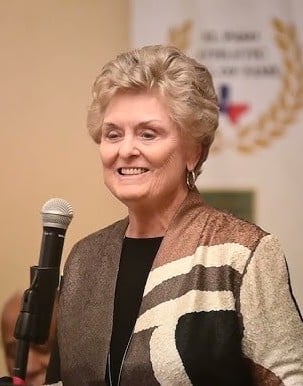
Jody Conradt is a titan of Texas sports and a global pioneer of women’s basketball. As the head coach of the University of Texas Lady Longhorns for 31 seasons (1976–2007), she transformed a burgeoning program into a national powerhouse. Conradt is best remembered for leading the 1985–86 Longhorns to a perfect 34–0 record, making them the first team in NCAA Division I women’s basketball history to complete an undefeated season and win the national title.
During her tenure at UT, she achieved several notable personal and team milestones in collegiate basketball. At retirement, she had tallied 900 career victories, second place in all time victories for an NCAA Division I basketball coach. She was just the second woman ever inducted into the Naismith Memorial Basketball Hall of Fame in 1998.
Conradt's Awards and Honors
- Women’s Basketball Hall of Fame (Inaugural Class, 1999)
- NCAA National Champion (1986)
- 6x Southwest Conference Coach of the Year
- 4x National Coach of the Year (1980, 1984, 1986, 1997)
- Olympic/International Experience: Gold Medalist (1987 Pan American Games)
- WNBA Inspiring Coach Award (2007)
NCAA Teams
Texas (1976–2007)
NCAA Stats
Season Coached:
38 (1969-2007)
Wins:
900
Lose:
307
Win(%)
.746
NCAA Championships:
1 (1986)
Final Four Appearances:
3 (NCAA) / 1 (AIAW)
Conference Championships:
22 (10 SWC / 2 Big 12 Regular Season)
20-Win Seasons:
29
Joe Dumars
Inducted:
2006

Player Stats
6 ft 3 in (1.91 m)
195 lb (88 kg)
Born
May 24, 1963
Shreveport, Louisiana, U.S.
Position
Shooting guard
Point guard
College:
McNeese State (1981–1985)
Joe Dumars was one of the NBA’s most respected two-way guards, known for elite defense, clutch scoring, and leadership with the Detroit Pistons. Drafted 18th overall in 1985, Dumars became the steady backbone of the “Bad Boys” era, excelling without flash. He was a lockdown perimeter defender who could also score efficiently, famously outdueling Magic Johnson in the 1989 NBA Finals. Dumars helped lead Detroit to back-to-back championships in 1989 and 1990, earning Finals MVP honors in 1989.
Dumars is the only person in Detroit sports history to win a championship as both a player and a lead executive. He was the 1989 NBA Finals MVP, leading the Pistons to their first title by sweeping the Lakers. Inducted into the Naismith Memorial Basketball Hall of Fame in 2006, Dumars remains a gold standard for two-way excellence, loyalty to one franchise, and winning basketball at the highest level.
Dumars' Awards and Honors
- NBA champion (2004 as executive)
- NBA Executive of the Year (2003)
- First NBA Sportsmanship Award winner (1996)
- Walter Kennedy Citizenship Award (1994)
- 4 Retired by the Detroit Pistons
NBA Records
- 2× NBA champion (1989, 1990)
- NBA Finals MVP (1989)
- 6× NBA All-Star (1990–1993, 1995, 1997)
- All-NBA Second Team (1993)
- 2× All-NBA Third Team (1990, 1991)
- 4× NBA All-Defensive First Team (1989, 1990, 1992, 1993)
- NBA All-Defensive Second Team (1991)
- NBA All-Rookie First Team (1986)
NBA Teams
Detroit Pistons (1985–1999)
NBA Draft
1985: 1st round, 18th overall pick
Detroit Pistons
Number Worn
4
NBA Stats
Seasons:
1 (1985–1999)
Games Played:
1,018
Game Started:
944
Points:
16,401 (16.1 ppg)
Rebounds:
2,203 (2.2 rpg)
Assists:
4,612 (4.5 apg)
Points Per Game:
16.1
NBA Championships:
3 (1989, 1990 as Player; 2004 as Exec)
Finals MVP:
1989 (27.3 ppg, 6.0 apg)
NBA Executive of the Year:
2003
Joe Fulks
Inducted:
1978
Player Stats
6 ft 5 in (1.96 m)
190 lb (86 kg)
Born
October 26, 1921
Birmingham, Kentucky, U.S.
Died
March 21, 1976
Eddyville, Kentucky, U.S.
Position
Power forward
College
Murray State (1941–1943)
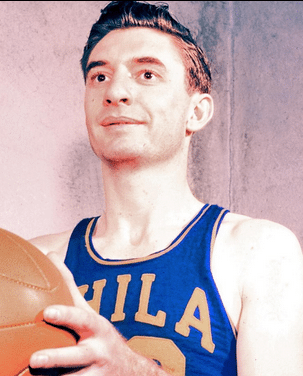
Joe Fulks was the NBA’s first true scoring superstar and a fundamental architect of the modern game. At a time when flat-footed set shots were the standard, the 6'5" "Jumpin' Joe" revolutionized basketball by introducing the one-handed jump shot to the professional ranks.
As the centerpiece of the Philadelphia Warriors, he became the league's inaugural scoring champion, averaging 23.2 points per game in 1947—a figure that was nearly seven points higher than his closest competitor. His high-volume, high-energy style led the Warriors to the 1947 BAA Championship, the first title in the history of the league that would become the NBA.
For his role as the "Babe Ruth of Basketball" and the pioneer who literally lifted the game off the floor, he was posthumously inducted into the Basketball Hall of Fame in 1978.
Fulks' Awards and Honors
- BAA champion (1947)
- 2× NBA All-Star (1951, 1952)
- 3× All-BAA First Team (1947–1949)
- All-NBA Second Team (1951)
- BAA scoring champion (1947)
- NBA 25th Anniversary Team
NBA Teams
Philadelphia Warriors (1946–1954)
Number Worn
10
NBA Stats
Seasons:
8 (1946–1954)
Games Played:
489
Points:
8,003 (16.4 ppg)
Rebounds:
1,379 (5.3 rpg)
Assists:
587 (1.2 apg)
Field Goal(%):
30.2
Free Throw(%):
76.6
Playoff Game:
31
Joe Lapchick
Inducted:
1966
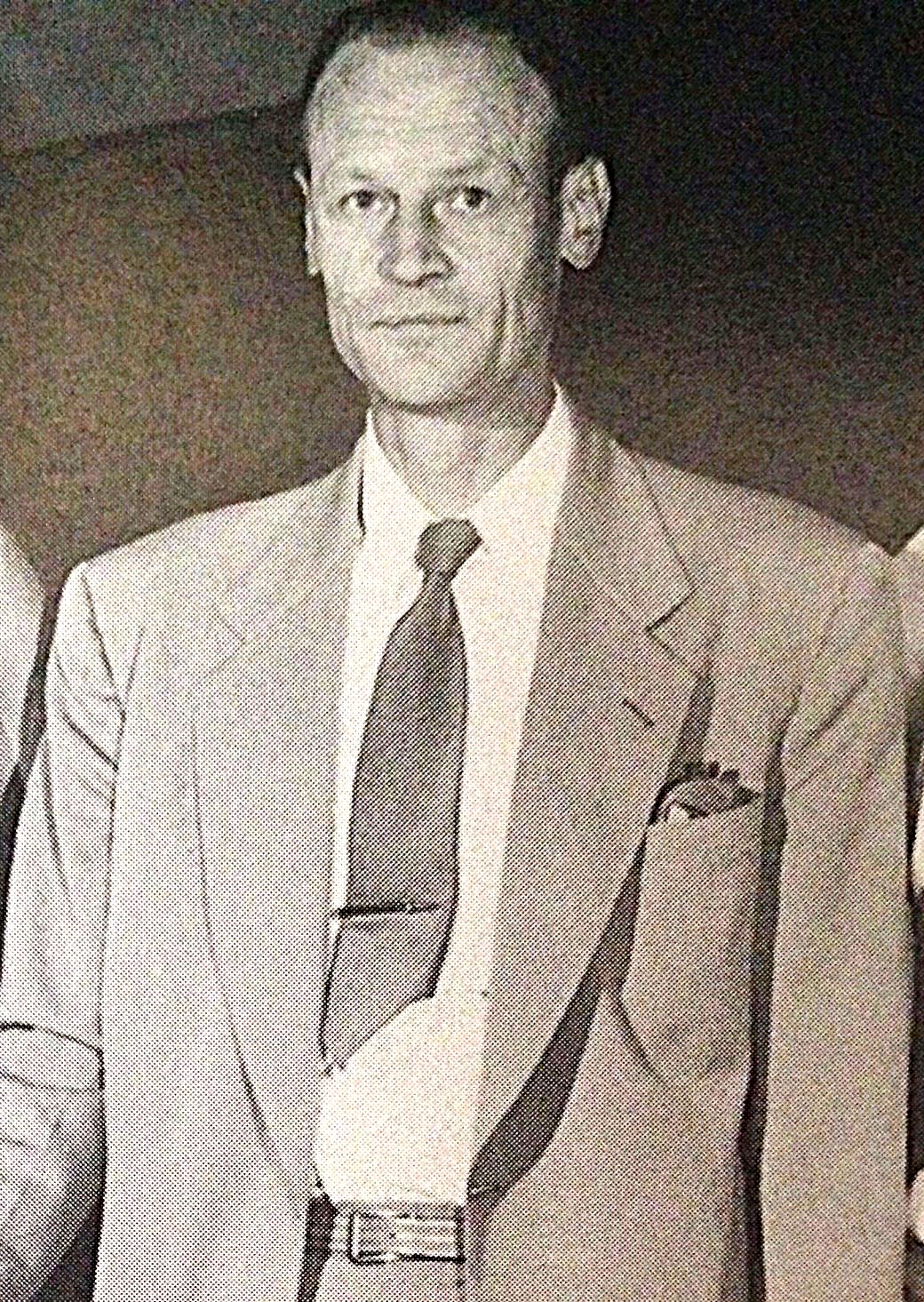
Stats
6 foot-5 inch; 185lb
Born
April 12, 1900
Yonkers, New York, U.S.
Died
August 10, 1970
Monticello, New York, U.S.
Position
Center
College
NA
Joe Lapchick was one of the dominant centers of early professional basketball and a major star of the Original Celtics. Known for his size, strength, passing ability, and competitive style, Lapchick helped make the Celtics one of the most successful touring teams of the 1920s and 1930s.
Though he later served as head coach of the NBA's New York Knicks (1947–1956). Standing 6'5", Lapchick was widely regarded as the premier center of basketball's early era, anchoring the dominant Original Celtics and Cleveland Rosenblums teams. Revered for his mobility, tip-off control, and passing, he later transitioned into a legendary head coach at St. John's University and guided the Knicks to three consecutive NBA Finals appearances.
For his pioneer impact as the big man who revolutionized center play, he was inducted into the Naismith Memorial Basketball Hall of Fame as a player in 1966.
Lapchick's Awards and Honor
- 4× ABL champion (1927–1930)
- All-Time Pro Stars Second Team (1945[1])
- 3× NBA All-Star Game head coach (1951, 1953, 1954)
- 4× NIT champion as coach (1943, 1944, 1959, 1965)
- 6× Metropolitan New York Conference regular season championships as coach
NBA Teams
Original Celtics (1923–1928)
Cleveland Rosenblums (1928–1930)
Toledo Red Man Tobaccos (1930–1931)
Number Worn:
4, 7
NBA Records
Position:
Center
Professional Career:
1923–1931
Games Played:
199
Total Points:
968
ABL titles:
4
John Beckman
Inducted:
1973
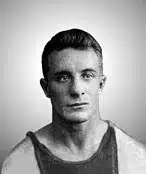
Player Stats
5ft 10inch ; 156 pound
Born
October 22, 1895
New York, NY
Died
June 22, 1968
Miami, Florida
Position
Forward
College
NA
John Beckman was one of the first true stars of professional basketball and a dominant figure during the sport's formative years. Nicknamed the "Babe Ruth of Basketball," he built a remarkable career spanning nearly three decades, earning a reputation for his scoring, toughness, passing, and exceptional free-throw shooting. Beckman starred for the legendary Original Celtics, helping establish the team as one of the greatest dynasties in early professional basketball.
Despite never playing college basketball or in the modern NBA, his influence on the professional game was enormous. He won multiple league championships, led the Pennsylvania State League in scoring, and was widely admired for his unselfish style and leadership. Beckman's dedication to teamwork and consistency helped shape the foundation of professional basketball. His outstanding contributions to the sport were recognized with induction into the Naismith Memorial Basketball Hall of Fame in 1973.
Beckman's Awards and Honor
- 4× Professional League Champion
- Pennsylvania State League Scoring Champion (1920)
- Captain of the Original Celtics
- Nicknamed the "Babe Ruth of Basketball"
- Complete offensive player respected for his scoring ability
NBA Teams
Original Celtics (1918–19, 1921–27, 1929)
NBA Stats
Professional Career:
27 years (1914–1941)
Position:
Forward
Professional Seasons:
27
League Championships:
4
Pennsylvania State League Scoring Champion:
1920
John Bunn
Inducted:
1964
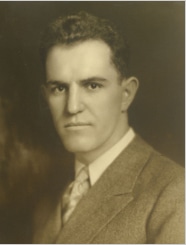
Stats
Born
September 26, 1898
Wellston, Ohio
Died
August 13, 1979
Newbury Park, California, U.S.
Position
Contributor
College
University of Kansas
John Bunn was a major influence on basketball as a coach, teacher, writer, rules expert, and administrator. His landmark legacy was forged across college basketball coaching, international rules administration, and executive leadership. After playing and assisting under Phog Allen at Kansas, Bunn became head coach at Stanford, where he coached Hank Luisetti and guided the 1936–37 squad to the Helms National Championship.
He is best remembered for proposing the revolutionary 1937 rule change that eliminated the center jump after every field goal, permanently transforming the game's tempo. Bunn subsequently served as Chairman of the Naismith Memorial Basketball Hall of Fame for 14 years (1949–1963) and authored several seminal coaching manuals. For his administrative stewardship and game-altering rule innovations, he was enshrined in the Naismith Memorial Basketball Hall of Fame as a Contributor in 1964.
Bunn's Awards and Honor
- 3× Pacific Coast Conference Champion
- 1937 Helms Athletic Foundation National Champion
- Basketball Hall of Fame Chairman for 14 years
- Editor of College Guide and official rules interpreter, 1959–1960
- Nicknamed the “American Ambassador of Basketball”
NBA Position
As Player
Kansas (1917–1920)
As Coach
Stanford (1930–1938)
Springfield (1946–1956)
Colorado State–Greeley (1956–1963)
As Chairman
Basketball Hall of Fame (1949-1963)
NBA Stats
Head Coaching Career:
1930–1963
Overall Coaching Record:
315–299
Pacific Coast Conference Champion:
3
Helms Athletic Foundation National Champion
1937
John Calipari
Inducted:
2015

Coach Stats
6 ft 8 in (2.03 m)
190 p (86 kg)
Born:
February 10, 1959
Moon Township, Pennsylvania, USA
Position:
Coach
College:
NA
John Calipari is one of college basketball’s most successful and influential coaches, renowned for his ability to develop NBA talent and lead programs to national prominence. Over more than three decades, Calipari has coached at UMass, Memphis, and the University of Kentucky, where he has become synonymous with elite recruiting and dynamic, high-energy play. He led Kentucky to the 2012 NCAA Championship and has made multiple Final Four appearances.
Known for his innovative coaching style and player development, Calipari has produced numerous NBA stars. Off the court, he is recognized for his charismatic leadership and commitment to players’ success beyond basketball. Inducted into the Naismith Memorial Basketball Hall of Fame in 2015, Calipari’s career reflects both coaching excellence and a lasting impact on college basketball’s modern era.
Calipari's Awards and Honors
- SEC Coach of the Year (2009, 2010, 2014)
- AP National Coach of the Year (2009)
- Led Kentucky to the 2012 NCAA Championship
- Coached the most NBA draft picks in NCAA history
- Known for innovative offensive and defensive schemes
NCAA/NBA Records
- Holds the record for the most one-and-done players drafted into the NBA under one coach
- One of the fastest coaches to reach 500 and 600 career wins in NCAA Division I men’s basketball
- Frequently ranked in the top 10 NCAA coaches by winning percentage
- Coached more than 100 future NBA players during his career
NCAA/NBA Teams
Kansas 1982–1985
Pittsburgh 1985–1988
UMass 1988–1996
New Jersey Nets 1996–1999
Philadelphia 76ers 1999–2000
Memphis 2000–2009
Kentucky 2009–2024
Arkansas 2024–present
NCAA Stats
Overall Records:
874–276 (.760) (college)
72–112 (.391) (NBA)
Tournaments:
58–23* (NCAA Division I)
15–6 (NIT)
NCAA Championships:
1 (2012)
Final Four Appearances:
5+
SEC Titles:
7+
AP National Coach of the Year:
1 (2009)
John Chaney
Inducted:
2001
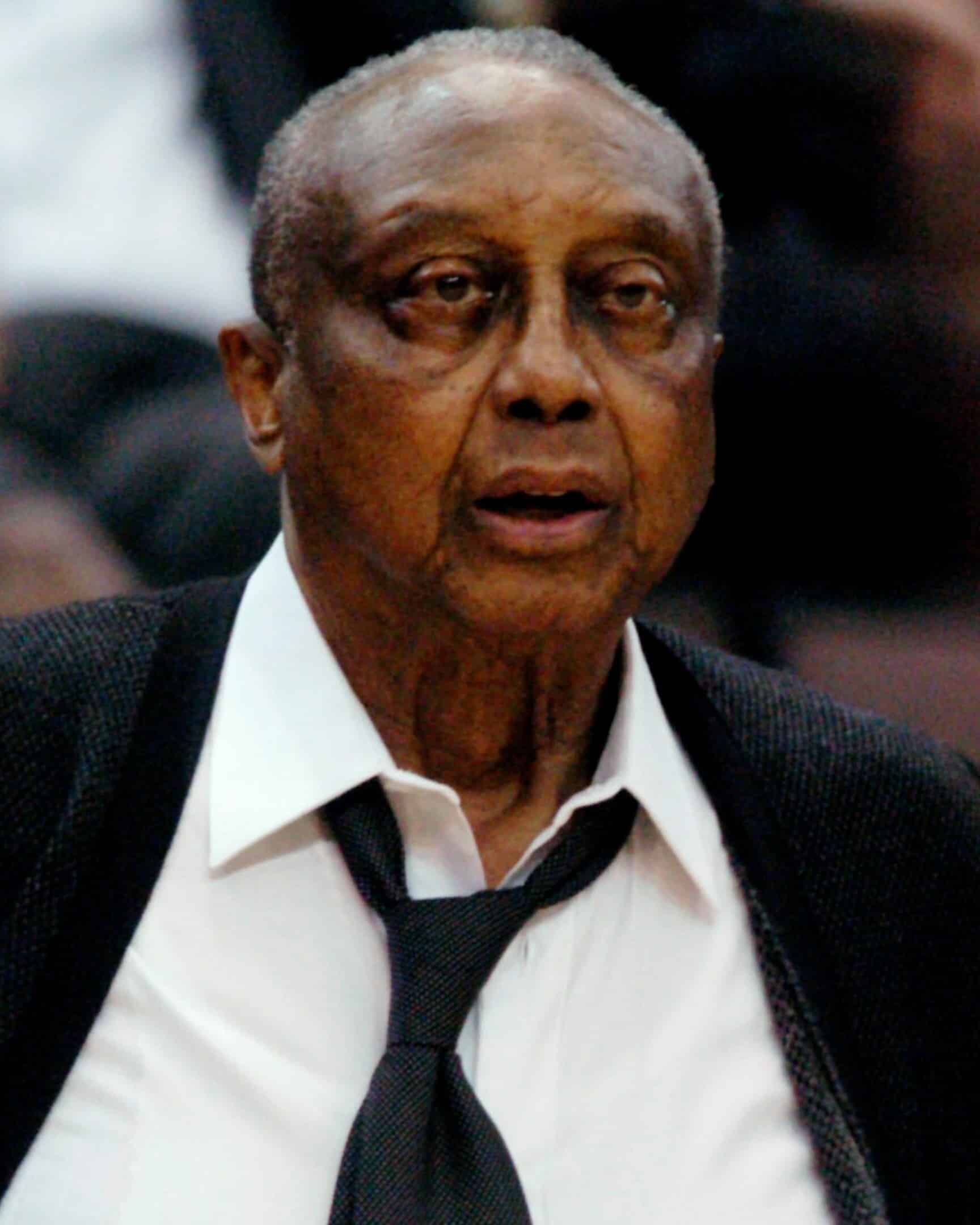
Player Stats
Born
January 21, 1932
Jacksonville, Florida, U.S.
Died
January 29, 2021
Philadelphia, Pennsylvania, U.S.
Position:
Coach
College:
Temple University
John Chaney was a titan of college basketball, a fierce advocate for student-athletes, and the architect of the modern Temple University basketball legacy. While he is often associated with the NBA due to the high volume of professional stars he produced—most notably Eddie Jones and Aaron McKie—Chaney’s true impact lay in his "life-first" coaching philosophy.
On the court, Chaney was a tactical genius known for his suffocating "matchup zone" defense, which consistently neutralized more athletic opponents. Despite coaching at a school with fewer resources than the "Blue Bloods," he led the Temple Owls to 17 NCAA Tournament appearances and five Elite Eight runs. He was inducted into the Naismith Memorial Basketball Hall of Fame in 2001.
Chaney's Awards and Honors
- College Basketball Hall of Fame (2006)
- NCAA Division II National Champion (1978)
- 5x Atlantic 10 Coach of the Year
- USBWA National Coach of the Year (1987, 1988)
- Philadelphia Big 5 Hall of Fame (2010)
- 5 PSAC regular season (1973, 1976, 1978, 1980, 1982)
- 7 PSAC tournament (1973, 1976–1980, 1982)
- 5x A-10 Coach of the Year (1984, 1985, 1987, 1988, 2000)
NCAA Teams
Temple (1982–2006)
NCAA Stats
Seasons coached:
38
Career coaching record:
741–312
Win (%):
.704
NCAA Division II Title:
1 (1978, Cheyney State)
Elite Eight Appearances:
5 (1988, 1991, 1993, 1999, 2001)
Atlantic 10 Titles:
8 Regular Season / 6 Tournament
NBA Draft Picks Produced:
14 (Graduates of Temple)
National Coach of the Year:
2 (1987, 1988)
John Havlicek
Inducted:
1984
Player Stats
6 ft 5 in (1.96 m)
203 lb (92 kg)
Born
April 8, 1940
Martins Ferry, Ohio, U.S.
Died
April 25, 2019
Jupiter, Florida, U.S.
Position
Small forward
Shooting guard
College
Ohio State (1959–1962)
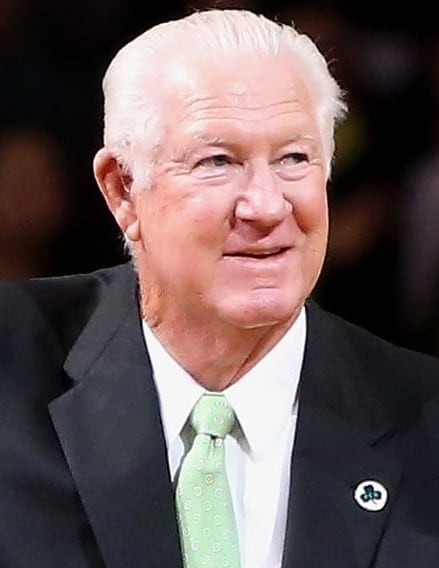
John Havlicek was one of the most complete and durable players in NBA history. Spending his entire 16-year career with the Boston Celtics from 1962 to 1978, he became known for his relentless energy, clutch scoring, and strong defense. Havlicek helped lead the Celtics to eight NBA championships and was a key figure during both the Bill Russell and post-Russell eras.
He was a 13-time NBA All-Star and earned All-NBA honors 11 times. His famous steal in the 1965 Eastern Conference Finals remains one of the most iconic plays in league history. Havlicek retired as the Celtics’ all-time leading scorer and one of the league’s most respected two-way players. He was inducted into the Naismith Memorial Basketball Hall of Fame in 1984, recognizing a career defined by consistency, leadership, and winning.
Havlicek's Awards and Honors
- NCAA champion (1960)
- Consensus second-team All-American (1962)
- Third-team All-American – AP (1961)
- 2× First-team All-Big Ten (1961, 1962)
- 17 retired by Boston Celtics
NBA Records
- 8× NBA champion (1963–1966, 1968, 1969, 1974, 1976)
- NBA Finals MVP (1974)
- 13× NBA All-Star (1966–1978)
- 4× All-NBA First Team (1971–1974)
- 7× All-NBA Second Team (1964, 1966, 1968–1970, 1975, 1976)
- NBA All-Rookie First Team (1963)
- NBA anniversary team (35th, 50th, 75th)
NBA Teams
Boston Celtics (1962–1978)
NBA Draft
1962: 1st round, 7th overall pick
Boston Celtics
Number Worn
17
NBA Stats
Season:
16 (1962–1978)
Games Played:
1,270
Points:
26,395 (20.8 ppg)
Rebounds:
8,007 (6.3 rpg)
Assists:
6,114 (4.8 apg)
Steals:
476 (1.2 spg)
Blocks:
117 (0.3 bpg)
Field Goal(%):
43.9
Free Throw(%):
75.6
John Isaacs
Inducted:
2015

Player Stats
6 ft 3 in (1.91 m)
190 lb (86 kg)
Nationality:
American
Born:
September 15, 1915
Rio Sidra, Panama
Died:
January 26, 2009
Bronx, New York, U.S.
Position:
Guard
College:
NA
John Isaacs, known as “Boy Wonder,” was a pioneering Panamanian-American basketball player who made significant contributions to the sport during its segregated era. Born in Panama in 1915 and raised in Harlem, Isaacs led Textile High School to a New York City championship before joining the New York Renaissance (Rens) in 1936. With the Rens, he helped secure the inaugural World Professional Basketball Tournament title in 1939.
Isaacs later won a second championship with the Washington Bears in 1943. Renowned for his quickness, defensive prowess, and leadership, he introduced the pick-and-roll to the Rens' fast-paced offense. Isaacs played for several teams, including the Dayton Rens, Utica Olympics, and Hazleton Mountaineers. After retiring, he dedicated over 50 years to mentoring youth at the Hoe Avenue Boys & Girls Club in the Bronx.
In 2015, Isaacs was posthumously inducted into the Naismith Memorial Basketball Hall of Fame.
Isaacs' Notable Achievements
- 2× World Professional Basketball Tournament Champion (1939, 1943)
- World Professional Basketball Tournament MVP (1939)
- Known for introducing the pick-and-roll to the Rens' offense
- Key player for championship-caliber teams in segregated professional basketball
- Elite scoring guard, known for fast breaks and clutch performance
- Introduced the pick-and-roll to the Rens’ offense
- Renowned for defense, court vision, and leadership
Teams
New York Rens 1936–1943
Philadelphia Toppers 1941–1942
Washington Bears 1941–1947
Hazleton Mountaineers 1946–1947
Utica Olympics 1947–1949
Brooklyn Gothams 1948–1949
Dayton Rens 1949
Saratoga Harlem Yankees 1950–1951
John Kundla
Inducted:
1995
Coach Stats
6 ft 2 in (1.88 m)
180 lb (82 kg)
Born
July 3, 1916
Star Junction, Pennsylvania, U.S.
Died
July 23, 2017
Minneapolis, Minnesota, U.S.
Position
Coach
College
Minnesota (1936–1939)
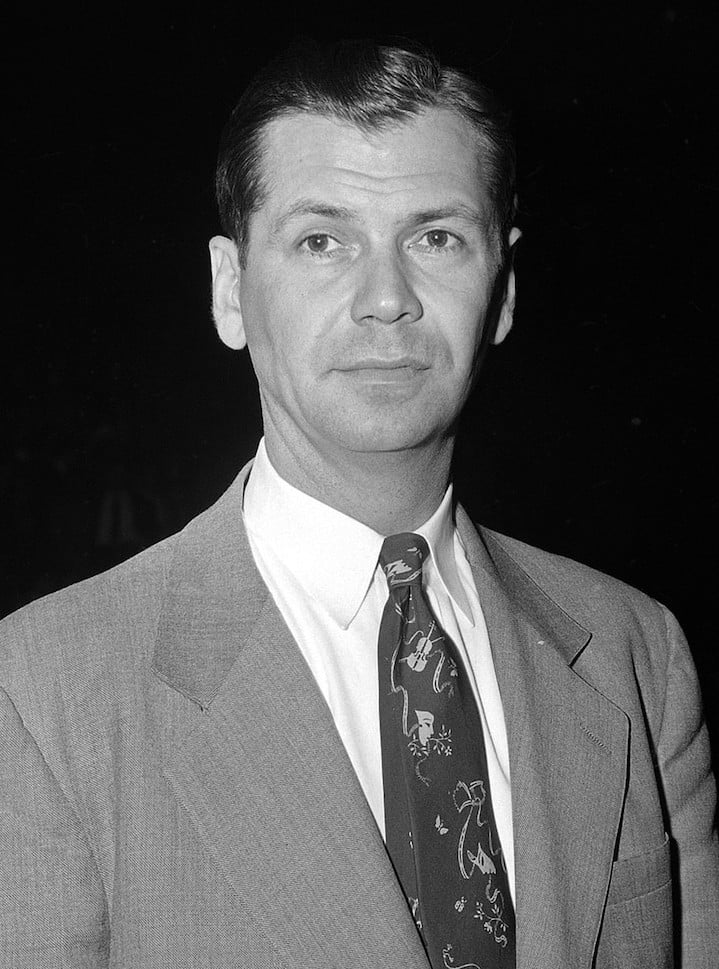
John Kundla was one of the NBA’s first great dynastic coaches and a foundational figure in professional basketball history. His calm leadership and emphasis on fundamentals allowed the Lakers to become the league’s first true powerhouse. His contributions helped establish professional basketball’s credibility and competitive structure.
Kundla’s achievement is unique in sports history: he led the Lakers to six championships across three different leagues (NBL, BAA, and NBA) between 1948 and 1954. He was the first coach to lead a team to three consecutive NBA titles, a "three-peat" feat that wouldn't be repeated for decades. He was inducted into the Hall of Fame in 1995.
Kundla's Awards and Honors
- NBL champion (1948)
- 5× NBA champion (1949, 1950, 1952–1954)
- WPBT champion (1948)
- 4× NBA All-Star Game head coach (1951–1954)
- Top 10 Coaches in NBA History
- NBA 75th Anniversary Team (Top 15 Coaches)
- College Basketball Hall of Fame (2006)
NBA Teams
Minneapolis Lakers (1947–1959)
NBA Stats
Season:
10 (1949-1959)
Games:
725
Win:
423
Lose:
302
NBA/BAA Regular Season %:
.583 (423–302)
Playoff Winning %:
.632 (60–35)
NBA Finals Appearances:
6
NBA/BAA Championships:
5 (1949, 1950, 1952, 1953, 1954)
NBL Championships:
1 (1948)
NBA All-Star Head Coach:
4 (1951–1954)
John McLendon
Inducted:
2016

Coach Stats
Born:
April 5, 1915
Hiawatha, Kansas, U.S.
Died:
October 8, 1999
Cleveland Heights, Ohio, U.S.
Position:
Coach
College:
NA
John McLendon broke barriers and built legacies as a pioneering coach whose influence reached far beyond the court. The first African American head coach in any professional sport, McLendon brought innovation, integrity, and leadership to every program he touched. Known for fast-paced, full-court pressure basketball, he revolutionized the game’s tempo.
McLendon won three consecutive NAIA championships with Tennessee State and later coached professionally with the Cleveland Pipers in the ABL. Though his NBA coaching tenure was brief, his long-term impact on coaching philosophy, integration, and athlete development remains unmatched. He also served as the first Black coach to lead a predominantly white university program.
His career symbolized both excellence and change, earning him multiple Hall of Fame inductions for both his coaching and lifetime contributions to basketball.
McLendon's Awards and Honors
- 3× NAIA Champion (1957–1959)
- 8× CIAA (1941, 1943–44, 1946–47, 1949–50, 1952)
- 2× CIAA conference (1946, 1950)
- Theodore Roosevelt Award (2021)
- Innovator of full-court pressure defense and up-tempo offense
- Presidential Medal of Freedom (posthumous, 2016)
Notable Achievement
- First African American coach in professional sports
- First African American head coach at a predominantly white university
- First coach inducted into the Naismith Hall of Fame twice
NCAA Teams
North Carolina College (1941–1952)
Hampton (1953–1954)
Tennessee A&I (1955–1959)
Cleveland Pipers (1959–1962)
Kentucky State (1964–1966)
Cleveland State (1966–1969)
Denver Rockets (1969)
NCAA Stats
College Coaching Record:
496–179
NAIA National Championships:
3 (1957–1959)
John Nucatola
Inducted:
1978
Referee Stats
Born
November 17, 1907
New York City
Died
May 9, 2000
New York
Position
NBA Referee
College
NA
John Nucatola was widely considered the premier basketball official of the mid-20th century, a man whose integrity and mastery of the rulebook earned him the nickname "The Referee's Referee." His career spanned the evolution of the professional game, as he officiated in the BAA (Basketball Association of America) and the NBL (National Basketball League) before becoming a cornerstone of the modern NBA.
John Nucatola was enshrined in the Naismith Memorial Basketball Hall of Fame in 1978 as a referee, marking him as the first inductee recognized primarily for contributions to officiating rather than playing or coaching. His induction highlighted a career spanning decades, during which he officiated over 2,000 basketball games at various levels, including landmark contests like the 1947 NCAA Championship final, the 1950 NBA Finals between the Minneapolis Lakers and Syracuse Nationals, and the 1952 and 1956 Olympic Games.
Nucatola's Awards and Honors
- NBA Supervisor of Officials (1970–1977)
- Recipient of the John Bunn Award for Lifetime Achievement (1975)
- Inducted into the National Italian American Sports Hall of Fame
- One of the founding fathers of the College Basketball Officials Association
- Conducted more than 1,200 clinics worldwide
NBA
NBA referee (1970–1977)
NBA Officials (1946-1959)
NBA Achievements
Games officiated:
2,000+
Playoff Consistency:
18 consecutive NBA/BAA playoff series
NBA All-Star Games:
Officiated the 1952 and 1953 All-Star Games
NCAA Dominance:
Refereed 18 NCAA Tournaments
"Don't Just Watch the Game—Own the Look!"
Score the hottest drop of the season, from authentic Icon Edition jerseys to the latest sneaker releases and official team hoodies. High-performance gear for the ultimate basketball fan.
Get Your Gear – NBA Official Collection
NBA Hall of Fame
The NBA Hall of Fame, officially known as the Basketball Hall of Fame, is a prestigious institution that honors the greatest figures in the sport of basketball. Each year, the Induction ceremony celebrates legendary players who have made significant impacts on the game. The Hall of Fame class features basketball legends whose remarkable career achievements and iconic moments have defined the sport.
Inductees are recognized for their substantial player contributions, earning various awards and honors throughout their careers. The Hall also pays tribute to retired jerseys and acknowledges the profound impact on the game by highlighting the historic contributions of its members. With a focus on the legacy in basketball, the NBA Hall of Fame continues to celebrate excellence and inspire future generations of players through memorable speeches and recognition in sports.