
Search by the First Name of the HOFers
Jack Gardner
Inducted:
1984

Coach Stats
Born
March 29, 1910
Texico, New Mexico, U.S.
Died
April 9, 2000
Salt Lake City, Utah, U.S.
Position
Coach
College
University of Southern California
Jack Gardner, famously known as "The Fox," was a tactical genius who specialized in the up-tempo, fast-break style of play. His legendary status was earned entirely in the collegiate ranks at Kansas State and the University of Utah. Gardner holds the historic distinction of being the first coach in NCAA history to lead two different programs to the Final Four twice each (Kansas State in 1948, 1951; Utah in 1961, 1966).
From 1979 until the mid-1990s, he served as a key consultant for the Utah Jazz, where he is most famously credited with "discovering" and advocating for a little-known guard from Gonzaga named John Stockton. For his 649 career victories and his profound impact on coaching philosophy, he was inducted into the Basketball Hall of Fame in 1984.
Gardner's Awards and Honors
- 4 NCAA Regional—Final Four (1948, 1951, 1961, 1966)
- 3 Big Six/Seven (1948, 1950, 1951)
- 4 Skyline (1955, 1956, 1959, 1962)
- WAC (1966)
- NABC Golden Anniversary Award (1982)
- National Coach of the Year (1970)
- Only coach to take two different schools to the Final Four twice each
- Member of 11 different Halls of Fame
NCAA Teams
Kansas State (1939–1942,1946–1953)
Utah (1953–1971)
NCAA Stats
Seasons:
28 (1939–1971)
Wins:
486 (Major College) / 649 (Overall)
Losses:
235 (Major College)
Win(%):
.674
Final Four Appearances:
4 (1948, 1951, 1961, 1966)
Conference Titles:
8 (3 at Kansas State, 5 at Utah)
Postseason Appearances:
10
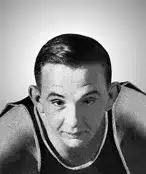
Jack McCracken
Inducted:
1962
Player Stats
6 ft 2 in (1.88 m)
Born:
June 15,1912
Chickasha, Oklahoma, U.S.
Died:
January 5,1958
Denver, Colorado, U.S.
Position:
Forward
College:
Northwest Missouri State (1929–1932)
Jack McCracken was one of the greatest amateur basketball players of the pre-NBA era and was renowned for his exceptional leaping ability, deadly two-handed set shot and all-around offensive skills. Playing under legendary coach Hank Iba, he led Northwest Missouri State to a 43-game winning streak and a perfect 31–0 season.
McCracken later starred in AAU basketball with the Denver Safeway and Denver Nuggets, winning three AAU National Championships and earning recognition as one of the finest players of his generation. In 1939, McCracken was named the Most Valuable Player of the AAU tournament, leading his Denver Nuggets to the national championship, cementing his legacy as one of basketball's earliest superstars.
He was inducted into the Naismith Memorial Basketball Hall of Fame in 1962.
McCracken's Awards and Honors
- 1939 AAU Tournament MVP
- 6 AAU All-America
- 3 First Team All-MIAA
- Led Northwest Missouri State to a 43-game winning streak and a 31–0 undefeated season
- Named the All-Time Greatest Player in AAU history (1939)
- Regarded as one of the greatest amateur basketball players of the pre-NBA era
NBA Teams
Denver Safeway
Denver Nuggets
Number Worn:
3
NBA Stats
Career/Tenor:
1929-1945
Seasons Played:
12 (AAU Career)
All-Star Selections:
8× AAU All-American
Jack Ramsay
Inducted:
1992

Coach Stats
6 ft 1 in (1.85 m)
180 lb (82 kg)
Born
February 21, 1925
Philadelphia, Pennsylvania, U.S.
Died
April 28, 2014
Naples, Florida, U.S.
Position
Coach
College
Saint Joseph's (1942–1943, 1946–1949)
Jack Ramsay was one of the NBA’s most respected and accomplished head coaches, known for his intelligence, discipline, and innovative offensive systems. Nicknamed “Dr. Jack” for his doctoral degree in education, Ramsay emphasized teamwork, conditioning, and player development throughout his career.
He achieved his greatest success with the Portland Trail Blazers, leading the franchise to its first and only NBA championship in 1977 behind Bill Walton and a fast-paced, unselfish style of play. Ramsay also coached the Philadelphia 76ers, Buffalo Braves, and Indiana Pacers, compiling more than 800 career victories.
For his immense contributions as a teacher of the game and a championship leader, Ramsay was inducted into the Basketball Hall of Fame in 1992.
Ramsay's Awards and Honors
- NBA champion (1977)
- NBA All-Star Game head coach (1978)
- Top 10 Coaches in NBA History
- Top 15 Coaches in NBA History
- Chuck Daly Lifetime Achievement Award (2010)
- 6× Big 5 champion (1956, 1957, 1959–1961, 1965)
NBA Teams
Philadelphia 76ers (1968–1972)
Buffalo Braves (1972–1976)
Portland Trail Blazers (1976–1986)
Indiana Pacers (1986–1988)
NBA Stats
Coaching career:
1955–1988
Seasons Coached:
21
Game Coached:
1,647
Wins:
864
Losses:
783
Win(%):
.525
NCAA Champion:
1 (1977)
NIT Champion:
1 (1970)
Playoff Wins:
44
Playoff Appearances:
16
Jack Sikma
Inducted:
2019

Player Stats
6 ft 11 in (2.11 m)
230 lb (104 kg)
Born:
November 14, 1955
Kankakee, Illinois, U.S.
Position:
Center
Power Forward
College:
Illinois Wesleyan (1973–1977)
Jack Sikma was one of the most skilled big men of his era, known for his high basketball IQ, unique footwork, and deadly shooting touch. Playing 14 NBA seasons with the Seattle SuperSonics and Milwaukee Bucks, Sikma brought versatility to the center position.
He was a seven-time All-Star and a key piece in Seattle’s 1979 NBA Championship team, where his rebounding and shot-making played a crucial role. Offensively, Sikma was best known for his signature “Sikma move”—a high-release turnaround jumper that was nearly unblockable. He also led the league in free throw percentage among centers multiple times, showcasing his shooting range and poise. Defensively, he was a strong rebounder and interior presence.
Sikma retired with over 17,000 points and 10,000 rebounds, joining an elite group of big men to reach both marks. He was inducted into the Naismith Memorial Basketball Hall of Fame in 2019.
Sikma's Awards and Honors
- NBA champion (1979)
- 7× NBA All-Star (1979–1985)
- NBA All-Defensive Second Team (1982)
- NBA All-Rookie First Team (1978)
- 43 retired by Seattle SuperSonics
- 2× First-team NCAA Division III All-American (1976, 1977)
- Third-team NCAA Division III All-American (1975)
- 3× CCIW Player of the Year (1975–1977)
NBA Records
- One of only 16 players in NBA history with over 17,000 points and 10,000 rebounds
- 7 consecutive All-Star appearances (1979–1985)
- Only center in NBA history to lead the league in free throw percentage for a full season
NBA Teams
As a player:
Seattle SuperSonics (1977–1986)
Milwaukee Bucks (1986–1991)
As a coach:
Seattle SuperSonics (2003–2007)
Houston Rockets (2007–2011)
Minnesota Timberwolves (2011–2014)
NBA Draft:
1977: 1st round, 8th overall pick
Seattle SuperSonics
Number Worn:
43
NBA Stats
Seasons:
14 (1977–1991)
Games Played:
1,107
Points:
17,287
Rebounds:
10,816
Assists:
3,294
Blocks:
1,076
Steals:
970
Points Per Game:
15.6
Rebounds Per Game:
9.8
Free Throw %:
.849
Field Goal %:
.464
Jack Twyman
Inducted:
1983

Player Stats
6 ft 6 in (1.98 m)
210 lb (95 kg)
Born
May 21, 1934
Pittsburgh, Pennsylvania, U.S.
Died
May 30, 2012
Cincinnati, Ohio, U.S.
Position
Small forward
College
Cincinnati (1951–1955)
Jack Twyman was one of the NBA’s premier scorers during the late 1950s and 1960s. Playing his entire 11-season career (1955–1966) with the Rochester and Cincinnati Royals, Twyman was known for his smooth shooting touch and consistent scoring ability. He became one of the league’s first players to average more than 30 points per game in a season and formed a high-scoring duo with Maurice Stokes.
Twyman was a six-time NBA All-Star and twice led the league in scoring average. He finished his career with over 15,000 points and ranked among the top scorers of his era. Beyond his playing career, his compassion and support for Stokes after a career-ending injury became one of basketball’s most respected stories. Twyman was inducted into the Naismith Memorial Basketball Hall of Fame in 1983.
Twyman's Awards and Honors
- Second-team All-American – NEA, INS (1955)
- 27 retired by Sacramento Kings
- 27 retired by Cincinnati Bearcats
- Averaged over 30 points per game in a season
- One of the first NBA players to score 30+ PPG
NBA Records
- 6× NBA All-Star (1957–1960, 1962, 1963)
- 2× All-NBA Second Team (1960, 1962)
- NBA Field Goal Percentage Leader (1958)
NBA Teams
Rochester / Cincinnati Royals (1955–1966)
NBA Draft
1955: 2nd round, 8th overall pick
Rochester Royals
Number Worn
10, 27, 31
NBA Stats
Season Played:
11 (1955–1966)
Game Played:
823
Points:
15,840 (19.2 ppg)
Rebounds:
5,424 (6.6 rpg)
Assists:
1,861 (2.3 apg)
Field Goal %:
45.0%
Free Throw %:
77.8%
Playoff Game:
34
Jamaal Wilkes
Inducted:
2012

Player Stats
6 ft 6 in (1.98 m)
190 lb (86 kg)
Born:
May 2, 1953
Berkeley, California, U.S.
Position:
Small forward
College:
UCLA (1971–1974)
Jamaal Wilkes, born May 2, 1953, in Berkeley, California, was one of the smoothest and most reliable forwards in NBA history. Nicknamed “Silk” for his effortless style, Wilkes built his game on precision shooting, intelligent defense, and unselfish play. Drafted in 1974 by the Golden State Warriors, he won Rookie of the Year and helped lead the team to the NBA championship that same season.
He later became a key piece of the Los Angeles Lakers’ Showtime dynasty, playing alongside Magic Johnson and Kareem Abdul-Jabbar. Over 12 NBA seasons, Wilkes scored 14,644 points (17.7 PPG), collected 5,117 rebounds, and earned a reputation as one of the league’s most dependable two-way players. He was a three-time All-Star and four-time NBA champion, contributing both scoring bursts and steady defense in clutch moments.
Inducted into the Naismith Memorial Basketball Hall of Fame in 2012, Wilkes remains celebrated as one of the most consistent and quietly brilliant forwards in the game’s history.
Wilkes' Awards and Honors
- 4× NBA champion (1975, 1980, 1982, 1985)
- 3× NBA All-Star (1976, 1981, 1983)
- 2× NBA All-Defensive Second Team (1976, 1977)
- NBA Rookie of the Year (1975)
- NBA All-Rookie First Team (1975)
NBA Records
- Scored 37 points in 1985 NBA Finals Game 6 clincher
- Key contributor to Warriors’ 1975 championship run
- One of few players to win titles with two franchises
NBA Teams
Golden State Warriors (1974–1977)
Los Angeles Lakers (1977–1985)
Los Angeles Clippers (1985)
NBA Draft:
1974: 1st round, 11th overall pick
Golden State Warriors
Number Worn:
41, 52
NBA Stats
Season:
12 (1974-1986)
Games Played:
828
Game Started:
245
Points:
14,644 (17.7 ppg)
Rebounds:
5,117 (6.2 rpg)
Assists:
2,050 (2.5 apg)
Field Goal %:
49.9%
Free Throw %:
75.9%
Point Per Game:
17.7
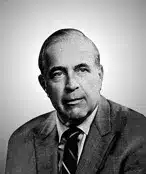
James Enright
Inducted:
1979
Referee Stats
Born
April 3, 1910
Sodus, Michigan
Died
December 20, 1981
Chicago
Position
NBA Referee
College
NA
James Enright was one of the most respected and physically fit officials in the history of basketball, known for his "whistle-to-whistle" hustle and impeccable judgment. Enright was a vital officiating presence in the early professional era, working games in the NBL and the BAA during the 1940s—the two leagues that merged to form the modern NBA.
He was famously known as "the referee who never stopped running," often out-pacing the players to ensure he had the perfect angle on every play. Beyond the court, Enright was a prolific sports journalist for the Chicago American, using his platform to educate the public on the nuances of basketball rules. He was inducted into the Basketball Hall of Fame in 1979.
Enright's Awards and Honors
- Inducted into the Illinois Basketball Coaches Association Hall of Fame
- Recipient of the Fishel Award for outstanding sports journalism
- Namesake of the "Jim Enright Award," given to the top high school basketball player in the Chicago area
NBA Stats
Referee Career:
1950s–1960s
Career Length:
35 Years
Collegiate Record:
Officiated 2,000+ games
NCAA Final Fours:
3 (1954, 1961, 1962)
Olympic Games Officiated:
1 (1948 London Olympics)
James Worthy
Inducted:
2003

Player Stats
6 ft 9 in (2.06 m)
225 lb (102 kg)
Born
February 27, 1961
Gastonia, North Carolina, U.S.
Position
Small forward
College
North Carolina (1979–1982)
James "Big Game James" Worthy was the definitive "third star" of the 1980s Los Angeles Lakers "Showtime" dynasty. A 6'9" small forward with elite speed and a devastating first step, Worthy was the perfect transition partner for Magic Johnson. He was the rare #1 overall draft pick (1982) to join a defending championship team, a stroke of luck that helped the Lakers dominate the decade. True to his nickname, Worthy’s production invariably rose when the stakes were highest.
His crowning achievement came in the 1988 NBA Finals, where he recorded the only triple-double of his career in a Game 7 victory over the Detroit Pistons, earning him the Finals MVP. Beyond his pro success, he was a collegiate legend at North Carolina, where he led a team featuring a freshman Michael Jordan to the 1982 NCAA title. He was inducted into the Naismith Memorial Basketball Hall of Fame in 2003.
Worthy's Awards and Honors
- NCAA Champion & MOP (1982)
- NCAA Final Four Most Outstanding Player (1982)
- 42 Retired by the Los Angeles Lakers
- 52 Retired by the North Carolina Tar Heels
NBA Records
- NBA Finals MVP (1988)
- 3x NBA Champion (1985, 1987, 1988)
- NBA 50th & 75th Anniversary Teams
- 7× NBA All-Star (1986–1992)
- 2× All-NBA Third Team (1990, 1991)
- NBA All-Rookie First Team (1983)
NBA Teams
Los Angeles Lakers (1982–1994)
NBA Draft
1982: 1st round, 1st overall pick
Los Angeles Lakers
Number Worn
42, 00
NBA Stats
Season:
12 (1982-1994)
Games Played:
926
Game Started:
717
Points:
16,320 (17.6 ppg)
Rebounds:
4,708 (5.1 rpg)
Assists:
2,791 (3.0 apg)
Field Goal %:
40.6%
Free Throw %:
74.1%
Point Per Game:
10.2
NBA Championships:
3 (1985, 1987, 1988)
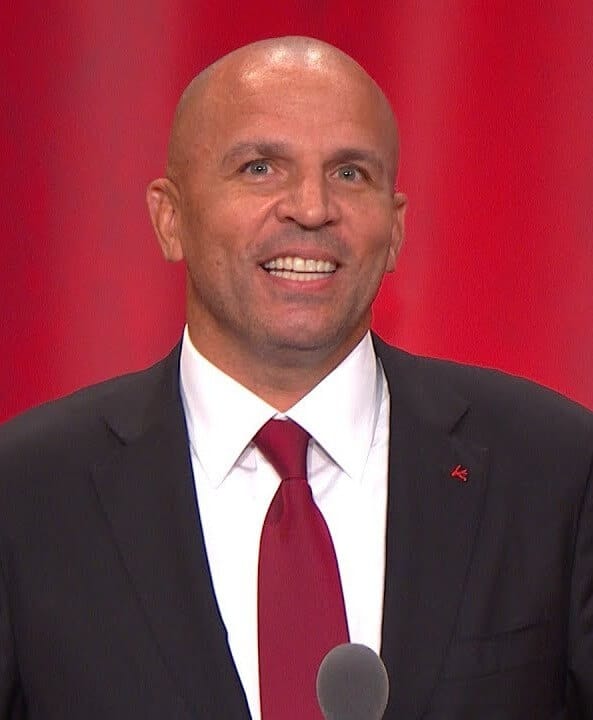
Jason Kidd
Inducted:
2018
Player Stats
6 ft 4 in (1.93 m)
210 lb (95 kg)
Born:
March 23, 1973
San Francisco, California, U.S.
Position:
Point guard
College:
California (1992–1994)
Jason Kidd was one of the greatest point guards in NBA history, known for his elite court vision, rebounding, and tenacious defense. From the moment he entered the league in 1994, Kidd controlled the game’s tempo and made everyone around him better. He earned Co-Rookie of the Year honors alongside Grant Hill and went on to tally over 12,000 assists — second-most in NBA history at the time of his retirement.
Kidd led the New Jersey Nets to back-to-back NBA Finals in the early 2000s, transforming them into contenders. He finished his 19-year career with a championship in 2011 with the Dallas Mavericks, rounding out a résumé that also included 10 All-Star selections and five All-NBA nods. Known for triple-doubles and lockdown defense, Kidd’s basketball IQ extended into coaching, where he became a respected leader on the sidelines. He was inducted into the Naismith Memorial Basketball Hall of Fame in 2018.
Kidd's Awards and Honors
- NBA champion (2011)
- 10× NBA All-Star (1996, 1998, 2000–2004, 2007, 2008, 2010)
- 5× All-NBA First Team (1999–2002, 2004)
- All-NBA Second Team (2003)
- 4× NBA All-Defensive First Team (1999, 2001, 2002, 2006)
- 5× NBA All-Defensive Second Team (2000, 2003–2005, 2007)
- NBA Rookie of the Year (1995)
- NBA All-Rookie First Team (1995)
- 5× NBA assists leader (1999–2001, 2003, 2004)
- USA Basketball Male Athlete of the Year (2007)
- NBA 75th Anniversary Team
NBA Records
- 2nd all-time in career assists – 12,091
- 2nd all-time in career steals – 2,684
- 4th in NBA history in triple-doubles – 107
- Led the NBA in assists 5 times (1999–2001, 2003–2004)
- Only player in NBA history with at least 17,000 points, 12,000 assists, 8,000 rebounds, and 2,500 steals
- Considered one of the most complete and intelligent point guards in NBA history
NBA Teams
Dallas Mavericks 1994–1996
Phoenix Suns 1996–2001
New Jersey Nets 2001–2008
Dallas Mavericks 2008–2012
New York Knicks 2012–2013
NBA Draft:
1994: 1st round, 2nd overall pick
Dallas Mavericks
Number Worn:
5, 32, 2
NBA Stats
Seasons:
19 (1994–2013)
Games Played:
1,391
Points:
17,529 (12.6 PPG)
Assists:
12,091 (8.7 APG)
Rebounds:
8,725 (6.3 RPG)
Steals:
2,684 (1.9 SPG)
FG %:
40.0%
3P %:
34.9%
Triple-Doubles:
107
Jay Wright
Inducted:
2021

Coach Stats
Born:
December 24, 1961
Churchville, Pennsylvania, U.S.
Position:
Coach
College:
NA
Jay Wright became one of college basketball’s most respected coaches through his time at Villanova, where he built a modern powerhouse.
Known for his sharp suits and even sharper basketball mind, Wright led the Wildcats to two NCAA championships (2016, 2018) and four Final Four appearances. His teams were known for their unselfish play, strong defense, and three-point shooting.
Over 21 seasons at Villanova, he compiled over 600 career wins, won multiple Big East titles, and developed numerous NBA players. Though he never coached in the NBA, his influence on the pro game is visible through the success of his players and coaching philosophy.
He retired from coaching in 2022 and was inducted into the Naismith Memorial Basketball Hall of Fame in 2021.
Wright's Awards and Honors
- 2 NCAA Division I tournament (2016, 2018)
- 4 NCAA Division I regional—Final Four (2009, 2016, 2018, 2022)
- 2 America East tournament (2000, 2001)
- 2 America East regular season (2000, 2001)
- 5 Big East tournament (2015, 2017, 2018, 2019, 2022)
- 8 Big East regular season (2006, 2014–2017, 2019, 2021)
- 2× Naismith College Coach of the Year (2006, 2016)
- NABC Coach of the Year (2006)
- John R. Wooden Legends of Coaching Award (2018)
- AP Coach of the Decade (2010s)
- 2× America East Coach of the Year (2000, 2001)
- 6× Big East Coach of the Year (2006, 2009, 2014–2016, 2019)
NCAA Teams
Rochester (assistant) 1984–1986
Drexel (assistant) 1986–1987
Villanova (assistant) 1987–1992
UNLV (assistant) 1992–1994
Hofstra 1994–2001
Villanova 2001–2022
NCAA Stats
College Seasons:
28 (Hofstra 1994–2001, Villanova 2001–2022)
Career Record:
642–282 (.695)
Villanova Record:
520–197
NCAA Titles:
2 (2016, 2018)
Final Fours:
4 (2009, 2016, 2018, 2022)
NCAA Tournament Appearances:
16
Jerry Buss
Inducted:
2010

Owner Stats
Born
January 27, 1933
Salt Lake City, Utah, U.S.
Died
February 18, 2013
Los Angeles, California, U.S.
Position:
Contributor-Team Owner
College:
NA
Jerry Buss was one of the most influential owners in sports history and the driving force behind the Los Angeles Lakers’ rise as a global brand. Purchasing the franchise in 1979, Buss transformed the Lakers into a symbol of winning, glamour, and entertainment. Under his ownership, the team captured 10 NBA championships, spanning the Showtime era of the 1980s through the Kobe Bryant–Shaquille O’Neal dynasty of the 2000s.
Buss believed in star power, fan experience, and organizational stability, empowering coaches and players while redefining how professional basketball was presented. His vision helped elevate the NBA’s popularity during its modern growth period. More than wins, Buss created a culture of excellence that blended success on the court with innovation off it.
For his lasting impact on the league and the sport’s business side, Jerry Buss was inducted into the Naismith Memorial Basketball Hall of Fame in 2010.
Buss' Notable Achievements
- Olympic Gold Medal (1992 Barcelona Games)
- Average Margin of Victory: 43.8 PPG (Olympic Record)
- Offensive Power: Averaged 117.3 PPG throughout the tournament
- Naismith Memorial Basketball Hall of Fame (Class of 2010)
- S. Olympic Hall of Fame (Class of 2009)
- FIBA Hall of Fame (Class of 2017)
- First USA Olympic team featuring NBA players
- Roster included 11 future Basketball Hall of Famers
NBA Teams
Los Angeles Lakers
Los Angeles Sparks
NBA Stats
Years as Majority Owner:
34 (1979–2013)
NBA Championships:
10 (1980, '82, '85, '87, '88, 2000, '01, '02, '09, '10)
NBA Finals Appearances:
16
WNBA Championships:
2 (LA Sparks - 2001, 2002)
Jerry Colangelo
Inducted:
2004

Executive Stats
Born
November 20, 1939
Chicago Heights, Illinois, U.S.
Position
Executive
College
Illinois (1960–1962)
Jerry Colangelo is one of the most powerful and transformative figures in the history of professional sports. After starting his career with the Chicago Bulls, he moved to Arizona in 1968 to become the first General Manager of the expansion Phoenix Suns at just 29 years old—making him the youngest GM in pro sports history. Over the next four decades, he became the "Godfather" of Arizona sports, eventually owning the Suns and leading the group that brought Major League Baseball (the Diamondbacks) and the NHL (the Coyotes) to the desert.
Colangelo’s influence reshaped the NBA through his long tenure on the Board of Governors and his role in founding the WNBA in 1997. However, his most significant global contribution was his takeover of USA Basketball in 2005. He was inducted into the Naismith Memorial Basketball Hall of Fame as a contributor in 2004.
Colangelo's Awards and Honors
- 23 jersey honored by Illinois Fighting Illini
- Naismith Memorial Basketball Hall of Fame (2004)
- Phoenix Suns Ring of Honor (2007)
- 2x FIBA World Cup Gold Medalist (2010, 2014)
- World Series Champion (2001 - Arizona Diamondbacks Owner)
- Arizona Sports Hall of Fame
- Order of the Star of Italian Solidarity
NBA Records
- 4x NBA Executive of the Year (Most for a single franchise)
NBA Contributions
Phoenix Suns Tenure:
1968–2004 (GM, Owner, CEO)
NBA Executive of the Year:
4 (1976, 1981, 1989, 1993)
USA Basketball Tenure:
2005–2021 (Managing Director)
Olympic Gold Medals:
4 (2008, 2012, 2016, 2020)
NBA Finals Appearances:
2 (1976, 1993)
BHOF Chairman:
2009–Present
Jerry Krause
Inducted:
2017

Executive Stats
Born:
April 6, 1939
Chicago, Illinois, U.S.
Died:
March 21, 2017
Chicago, Illinois, U.S.
Position:
NBA Executive
College:
Bradley University
Jerry Krause was the mastermind behind the Chicago Bulls’ six NBA championships in the 1990s. As general manager from 1985 to 2003, he built championship rosters by drafting key players like Scottie Pippen, Horace Grant, Toni Kukoc, and trading for Dennis Rodman, while hiring Phil Jackson to coach. Working behind the scenes, Krause assembled all contributors except Michael Jordan, creating two separate three-peats that transformed the Bulls into a global powerhouse.
His sharp eye for talent and bold roster moves earned him NBA Executive of the Year twice. Though often underappreciated during his career, his leadership and vision reshaped NBA team-building. Enshrined in the Naismith Basketball Hall of Fame in 2017 as a contributor, Krause’s legacy endures as one of the greatest architects in basketball history.
Krause's Awards and Honors
- 6× NBA champion (1991–1993, 1996–1998)
- 2× NBA Executive of the Year (1988, 1996)
- Chicago Bulls Ring of Honor
- Built two NBA three-peats during the Jordan-Pippen era
- Recognized as a master talent evaluator, drafting and acquiring multiple Hall of Fame-level players
NBA Teams
As General Manager-
Chicago Bulls (1985 to 2003)
Notable Contributions
Chicago Bulls GM and Executive VP (1985–2003):
Architect of six NBA titles: 1991–93 and 1996–98
NBA Executive of the Year:
1988 and 1996
Draft & Transactions Highlights:
Acquired Pippen, Grant, Kukoc; traded for Cartwright and Rodman; signed Harper, Kerr, Longley, Paxson
Scout for NBA & MLB teams:
Instrumental in discovering Earl Monroe, Wes Unseld, Michael Cooper, Jerry Sloan among others
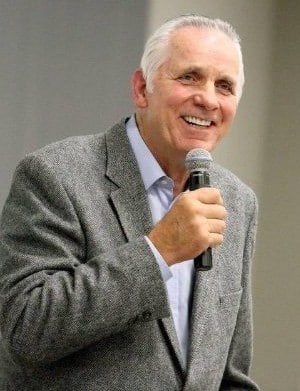
Jerry Lucas
Inducted:
1980
Player Stats
6 ft 8 in (2.03 m)
230 lb (104 kg)
Born
March 30, 1940
Middletown, Ohio, U.S.
Position
Power forward
College
Ohio State (1959–1962)
Jerry Lucas was one of the most skilled forwards of his era, known for his rebounding, intelligence, and shooting touch. He began his professional career with the Cincinnati Royals in 1963 and later played for the San Francisco Warriors and New York Knicks. Lucas made an immediate impact, winning NBA Rookie of the Year honors in 1964 after averaging over 17 points and 17 rebounds per game.
A consistent double-double performer, he earned seven All-Star selections and was named to multiple All-NBA Teams. Lucas played a key role in helping the New York Knicks win the 1973 NBA Championship. He retired with more than 12,000 rebounds and was widely respected for his fundamentals and court awareness.
Jerry Lucas was inducted into the Naismith Memorial Basketball Hall of Fame in 1980 in recognition of his outstanding playing career.
Lucas' Awards and Honors
- NCAA champion (1960)
- 2× NCAA Final Four MOP (1960, 1961)
- 2× Consensus national college player of the year (1961, 1962)
- 3× Consensus first-team All-American (1960–1962)
- 2× NCAA rebounding leader (1961, 1962)
- 3× First-team All-Big Ten (1960–1962)
NBA Records
- NBA champion (1973)
- 7× NBA All-Star (1964–1969, 1971)
- NBA All-Star Game MVP (1965)
- 3× All-NBA First Team (1965, 1966, 1968)
- 2× All-NBA Second Team (1964, 1967)
- NBA Rookie of the Year (1964)
- NBA All-Rookie First Team (1964)
NBA Teams
Cincinnati Royals (1963–1969)
San Francisco Warriors (1969–1971)
New York Knicks (1971–1974)
NBA Draft
1962: territorial pick
Cincinnati Royals
Number Worn
16, 47, 32
NBA Stats
Seasons:
11 (1963–1974)
Games Played:
829
Points:
14,053 (17.0 ppg)
Rebounds:
12,942 (15.6 rpg)
Assists:
2,732 (3.3 apg)
Steals:
28 (0.4 spg)
Blocks:
24 (0.3 bpg)
Field Goal(%):
49.9
Free Throw(%):
78.3
Playoff Games:
72
Jerry Reinsdorf
Inducted:
2016

Owner Stats
Born:
Jerry Michael Reinsdorf
February 25, 1936
New York City, U.S.
Position:
Owner
College:
NA
Jerry Reinsdorf is a prominent sports owner best known for guiding the Chicago Bulls through one of the most dominant eras in NBA history. Purchasing the team in 1985, he played a crucial role in building the championship rosters of the 1990s, centered around Michael Jordan, Scottie Pippen, and coach Phil Jackson. Under his leadership, the Bulls captured six NBA titles in eight years (1991–1993, 1996–1998), becoming a global basketball brand.
Reinsdorf was known for his business acumen, balancing on-court success with financial stability, and fostering an organizational culture that emphasized winning. His influence extended beyond basketball, as he also became a key figure in shaping league policies and promoting the NBA worldwide. In recognition of his contributions to the game, Reinsdorf was inducted into the Naismith Memorial Basketball Hall of Fame in 2016, cementing his legacy as one of the most successful owners in professional sports.
Reinsdorf's Awards and Honors
- Six-time NBA champion
- 2005 World Series champion
- Three-time Midwest League champion
- Oversaw the Bulls’ rise to become a global sports brand
- 1990 Golden Plate Award of the American Academy of Achievement
- 2011 Jefferson Award for Public Service
NBA/MLB Teams
Chicago Bulls (Owner)
Chicago White Sox (Owner)
NBA Stats
NBA Team Owned:
Chicago Bulls (1985–present)
NBA Championships:
6 (1991, 1992, 1993, 1996, 1997, 1998)
Hall of Fame Induction:
2016
Seasons as Owner:
40+
Bulls Playoff Appearances Under Ownership:
22+
"Don't Just Watch the Game—Own the Look!"
Score the hottest drop of the season, from authentic Icon Edition jerseys to the latest sneaker releases and official team hoodies. High-performance gear for the ultimate basketball fan.
Get Your Gear – NBA Official Collection
NBA Hall of Fame
The NBA Hall of Fame, officially known as the Basketball Hall of Fame, is a prestigious institution that honors the greatest figures in the sport of basketball. Each year, the Induction ceremony celebrates legendary players who have made significant impacts on the game. The Hall of Fame class features basketball legends whose remarkable career achievements and iconic moments have defined the sport.
Inductees are recognized for their substantial player contributions, earning various awards and honors throughout their careers. The Hall also pays tribute to retired jerseys and acknowledges the profound impact on the game by highlighting the historic contributions of its members. With a focus on the legacy in basketball, the NBA Hall of Fame continues to celebrate excellence and inspire future generations of players through memorable speeches and recognition in sports.