
Search by the First Name of the HOFers
Earl Lloyd
Inducted:
2003

Stats
6 ft 6 in (1.98 m)
200 lb (91 kg)
Born
April 3, 1928
Alexandria, Virginia, U.S.
Died
February 26, 2015
Crossville, Tennessee, U.S.
Position
Contributor
College
West Virginia State (1946–1950)
Earl "The Big Cat" Lloyd was a towering figure in basketball history, not just for his 6'5" frame, but for the immense barrier he shattered. On October 31, 1950, playing for the Washington Capitols, Lloyd became the first African American to play in an NBA game. While others like Chuck Cooper and Nat "Sweetwater" Clifton were drafted or signed in the same period, the schedule dictated that Lloyd was the first to step onto the court, forever changing the trajectory of professional sports.
Lloyd was far more than a historical footnote; he was a rugged, defensive-minded power forward who played nine seasons in the league. His greatest team success came with the Syracuse Nationals, where he and teammate Jim Tucker became the first Black players to win an NBA Championship in 1955. He was inducted into the Naismith Memorial Basketball Hall of Fame in 2003.
Lloyd's Awards and Honors
- NBA Champion (1955 - Syracuse Nationals)
- CIAA Player of the Decade (1940s)
- NAIA Silver and Golden Anniversary Teams
- Inaugural “Legends of Black History” Sports Award (2001)
- Congressional Resolution in his honor (2008)
- 11 Retired by West Virginia State University
NBA Team
As Player
Washington Capitols (1950–1951)
Syracuse Nationals (1952–1958)
Detroit Pistons (1958–1960)
As Coach
Detroit Pistons (1971–1972)
Louisiana Tech (1985–2002)
NBA Stats
Seasons coached:
20
Overall Record:
576–87 (.869)
NCAA Championships:
1 (1988)
Final Four Appearances:
9
National Title Games:
5
30-Win Seasons:
13
Conference Titles:
13 Regular Season / 12 Tournament
Earl Monroe
Inducted:
1990

Player Stats
6 ft 3 in (1.91 m)
185 lb (84 kg)
Born
November 21, 1944
Philadelphia, Pennsylvania, U.S.
Position
Shooting guard
Point guard
College
Winston-Salem State (1963–1967)
Earl “The Pearl” Monroe was one of the most electrifying guards in NBA history, known for his dazzling ball-handling, creativity, and playground style. Drafted second overall in 1967 by the Baltimore Bullets, Monroe quickly became one of the league’s most prolific scorers, earning Rookie of the Year honors and multiple All-Star selections.
After being traded to the New York Knicks in 1971, Monroe formed a dynamic backcourt partnership with Walt Frazier. He helped lead the Knicks to the 1973 NBA championship, blending flair with clutch scoring.
Monroe’s improvisational style influenced generations of guards and helped bridge street basketball creativity with professional play. Over his 13-season career (including ABA time), he averaged 18.8 points per game and became one of the sport’s most entertaining performers. Monroe was inducted into the Naismith Memorial Basketball Hall of Fame in 1990.
Monroe's Awards and Honors
- NBA champion (1973)
- 4× NBA All-Star (1969, 1971, 1975, 1977)
- All-NBA First Team (1969)
- NBA Rookie of the Year (1968)
- NBA All-Rookie First Team (1968)
- NBA anniversary team (50th, 75th)
NBA Teams
Baltimore Bullets (1967–1971)
New York Knicks (1971–1980)
NBA Draft
1967: 1st round, 2nd overall pick
Baltimore Bullets
Number Worn
33, 10, 15
NBA Stats
Seasons Played:
13 (1967-1980)
Game Played:
926
Points:
17,454 (18.8 ppg)
Rebounds:
2,796 (3.0 rpg)
Assists:
3,594 (3.9 apg)
Steals:
473 (1.0 spg)
Blocks:
121 (0.3 bpg)
Field Goal %:
46.4%
Free Throw %:
80.7%
Earl Strom
Inducted:
1995

Referee Stats
Born
December 15, 1927
Pottstown, Pennsylvania, US
Died
July 10, 1994
Pottstown, Pennsylvania, US
Position
NBA Referee
College
NA
Earl "Yogi" Strom is widely regarded as the greatest official in the history of professional basketball. Known for his flamboyant style, unwavering integrity, and "tweet-pause-tweet-tweet" whistle rhythm, Strom was a dominant presence on the court for over three decades. Strom was a bridge between the NBA’s early days and its global explosion. He officiated the first and last matchups between Wilt Chamberlain and Bill Russell, and he was the referee of choice for almost every critical Game 7 during the 1960s, 70s, and 80s. His career spanned the NBA and the ABA, where he was one of the first major "leaps" during the 1969 officiating raid. Flamboyant, fearless, and famously cantankerous, he was the first referee ever inducted into the Hall of Fame in 1995.
Strom's Awards and Honors
- International Jewish Sports Hall of Fame (2008)
- Ranked #1 NBA Official (USA Today Poll, 1990)
- The "Pied Piper" of Referees (Nickname for his rhythmic whistle)
- "Road Ref" of the Century (Highest road-team win percentage)
- Officiated 29 NBA and ABA Finals and 295 total playoff games
- Officiated 7 NBA All Star Games
NBA
NBA referee (1957–1969; 1973–1990)
NBA Stats
Seasons Officiated:
32 (29 NBA, 3 ABA)
Regular Season Games:
2,400
Playoff Games:
295
NBA/ABA Finals Series:
29
All-Star Games:
7
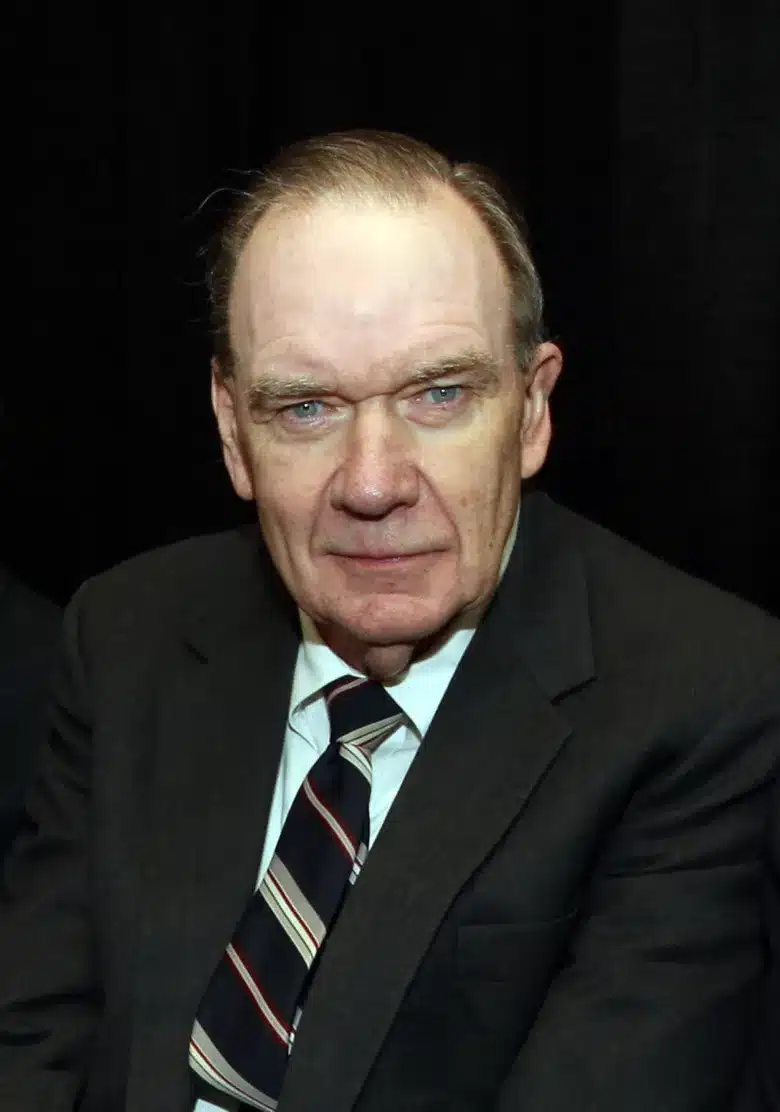
Ed Macauley
Inducted:
1960
Player Stats
6 ft 8 in (2.03 m)
185 lb (84 kg)
Born
March 22, 1928
St. Louis, Missouri, U.S.
Died
November 8, 2011
St. Louis, Missouri, U.S.
Position
Center/Power Forward
College
Saint Louis (1945–1949)
Ed "Easy Ed" Macauley was one of the NBA's first elite big men and among the league's earliest superstars. Known for his smooth offensive game, accurate hook shot, and exceptional passing ability, he became the MVP of the inaugural NBA All-Star Game in 1951 and earned seven consecutive All-Star selections.
Macauley played for the St. Louis Bombers, Boston Celtics, and St. Louis Hawks, winning an NBA championship with the Hawks in 1958. He was also part of the historic trade that brought Bill Russell to the Boston Celtics, one of the most significant transactions in NBA history.
He was inducted into the Naismith Memorial Basketball Hall of Fame in 1960, becoming the youngest male player ever inducted at the time.
Macauley's Awards and Honor
- Helms Foundation Player of the Year (1948)
- 2× Consensus first-team All-American (1948, 1949)
- Third-team All-American – Helms (1947)
- 3× First-team All-MVC (1947–1949)
- First player chosen for the inaugural NBA All-Star Game in 1951
- One of the NBA's premier centers during the league's early years
NBA Records
- NBA champion (1958)
- 7× NBA All-Star (1951–1957)
- NBA All-Star Game MVP (1951)
- 3× All-NBA First Team (1951–1953)
- All-NBA Second Team (1954)
NBA Teams
St. Louis Bombers (1949–1950)
Boston Celtics (1950–1956)
St. Louis Hawks (1956–1959)
Draft
1949 BAA Draft: 1st Round (Territorial Pick)
St. Louis Bombers
Number Worn
50, 22, 20
NBA Records
Career /Tenor:
1949–1959
Seasons Played:
10
Games Played:
641
Points:
11,234 (17.5 ppg)
Rebounds:
4,324 (7.5 rpg)
Assists:
2,079 (3.2 apg)
Field Goal %:
43.6%
Free Throw %:
76.1%
NBA Champion:
1 (1958)
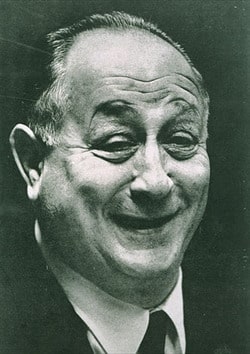
Eddie Gottlieb
Inducted:
1972
Stats
5 ft 8 in (1.73 m)
175 lb (79 kg)
Born
September 15, 1898
Kiev, Kiev Governorate,
Russian Empire (Ukraine)
Died
December 7, 1979
Philadelphia, Pennsylvania, U.S.
Position
Contributor
College
South Philadelphia
Eddie Gottlieb was one of the founding fathers and most influential architects of the National Basketball Association. A true pioneer of the professional game, Gottlieb began his career by organizing and starring for the Philadelphia SPHAs, transforming them into one of the most dominant early professional and barnstorming teams of the 1920s and 1930s. In 1946, he helped establish the BAA, the direct forerunner to the NBA—and became the first coach of the Philadelphia Warriors.
He famously led the Warriors to the inaugural BAA Championship in 1947. Gottlieb purchased the franchise in 1952, winning another title as an owner in 1956, before eventually selling the team in 1962 for a then-record $850,000. Beyond his franchise success, Gottlieb was the administrative glue that held the early NBA together; he served as the Chairman of the Rules Committee for 25 years and acted as the league's sole schedule maker for over three decades.
For his monumental contributions to the sport's survival and growth, he was inducted into the Naismith Memorial Basketball Hall of Fame as a Contributor in 1972.
Gottlieb's Awards and Honor
- BAA champion (1947)
- 7× ABL champion (1934, 1936, 1937, 1940, 1941, 1943, 1945)
- 3x EBL champion (1930–1932)
- Philadelphia Basket Ball League champion (1925)
- Philadelphia League champion (1924)
NBA Records
- Recognized as one of the NBA's most important early architects
- Managed scheduling for the league for over 30 years
- Establish the NBA through decades of executive leadership
NBA Teams
Philadelphia Sphas (1917–1946)
Philadelphia Warriors (1946–1955)
NBA Stats
Founder and Manager:
Philadelphia SPHAs
Coaching Record:
263–318 (.453)
Franchise Ownership:
Philadelphia Warriors (1946-1955)
BAA Championship:
1947
NBA Schedule Maker:
For nearly 30 years
Eddie Hickey
Inducted:
1979
Coach Stats
Born
December 20, 1902
Reynolds, Nebraska, U.S.
Died
December 5, 1980
Mesa, Arizona, U.S.
Position
Coach
College
NA
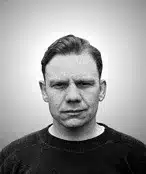
Edgar "Eddie" Hickey was a master of the fast break and a strict disciplinarian whose career bridged the gap between the traditional "set play" era and modern, high-speed basketball. While he is celebrated in the Basketball Hall of Fame as a coach, his legendary status was earned entirely in the collegiate ranks at Creighton, Saint Louis, and Marquette.
His 1948 Saint Louis team, featuring Hall of Famer Ed Macauley, captured the NIT Championship, which was at the time considered equal to or more prestigious than the NCAA Tournament. For his tactical innovations and 429 collegiate victories, he was inducted into the Basketball Hall of Fame in 1979.
Hickey's Awards and Honors
- NIT (1948)
- USBWA Coach of the Year (1959)
- Henry Iba Award (1959)
- NABC Coach of the Year (1959)
- 2× Missouri Valley Conference Coach of the Year (1952, 1957)
- 7 MVC (1936, 1941–1943, 1952, 1955, 1957)
- National Collegiate Basketball Hall of Fame (2006)
NCAA Teams
Creighton (1935–1947)
Saint Louis (1947–1958)
Marquette (1958–1964)
NCAA Stats
Career Span:
1935–1964
Wins:
429
Total Losses:
230
Win(%):
.651
National Championships:
1 (NIT 1948)
Conference Titles:
7 Missouri Valley Conference (MVC)
Eddie Sutton
Inducted:
2020

Coach Stats
Born:
March 12, 1936
Bucklin, Kansas, U.S.
Died:
May 23, 2020
Tulsa, Oklahoma, U.S.
Position:
Coach
College:
Oklahoma State University
Eddie Sutton (March 12, 1936 – May 23, 2020) was a transformative college basketball coach whose impact spanned nearly four decades. A standout player at Oklahoma A&M under Hank Iba, he launched his coaching career in 1958 and rose from Tulsa Central High to junior college, then to Creighton, Arkansas, Kentucky, Oklahoma State, and finally San Francisco. Sutton became the first coach ever to lead four different Division I programs to the NCAA Tournament, and tallied 806 career wins, ranking him in the top ten all-time.
His Razorbacks guided Arkansas to the 1978 Final Four, and he returned his alma mater, OSU, to the Final Four twice (1995, 2004), along with multiple NCAA appearances and conference titles. A four-time National Coach of the Year, eight-time conference coach of the year, and mentor to NBA players, he left a legacy of resilience, loyalty, and excellence. In 2020, Sutton was posthumously inducted into the Naismith Memorial Basketball Hall of Fame—a fitting capstone to a legendary career .
Sutton's Awards and Honors
- 2× AP College Coach of the Year (1978, 1986)
- NABC Coach of the Year (1986)
- Henry Iba Award (1977)
- 4× SWC Coach of the Year (1975, 1977, 1979, 1981)
- SEC Coach of the Year (1986)
- Big Eight Coach of the Year (1993)
- 2× Big 12 Coach of the Year (1998, 2004)
NCAA Records
- First coach in NCAA Division I history to take four different schools to the NCAA Tournament
- Only coach to lead both Arkansas and Oklahoma State to the Final Four
- Inducted into the Naismith Memorial Basketball Hall of Fame in 2020
- NCAA Coach of the Year in 1978 and 1986
NCAA Teams
As Coach
Oklahoma State (assistant) 1958–1959
Tulsa Central HS 1959–1966
College of Southern Idaho 1966–1969
Creighton 1969–1974
Arkansas 1974–1985
Kentucky 1985–1989
Oklahoma State 1990–2006
San Francisco (interim) 2007–2008
NCAA Stats
As Coach
Career Wins–Losses
806–329
Winning Percentage
.710
Division I Seasons
37
NCAA Tournament Appearances
26
Final Four Appearances
3
Conference Titles
17
National Coach of the Year:
04 times
Conference Coach of the Year:
08 times
Edgar Diddle
Inducted:
1972
Stats
Born
March 12, 1895
Gradyville, Kentucky, U.S.
Died
January 2, 1970
Bowling Green, Kentucky, U.S.
Position
Coach
College
Western Kentucky
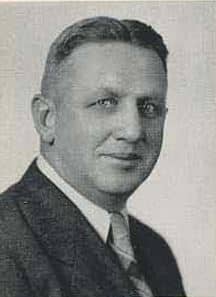
Edgar Diddle was one of the most successful and respected college basketball coaches of the 20th century. As head coach at Western Kentucky University from 1922 to 1964, he transformed the Hilltoppers into a national powerhouse through disciplined play, strong fundamentals, and an up-tempo offense. For 42 seasons, Diddle was the heart and soul of the Western Kentucky University (WKU) Hilltoppers. A pioneer of the fast-break offense, he implemented a high-speed, run-and-gun style decades before it became the industry standard.
His 1948 team finished 3rd nationally and the 1954 team finished 4th. Diddle's teams led the NCAA in victories six seasons and had the highest winning percentage in 1948. When he retired in 1964, he had won a then record 759 games. For his immense contributions to the game, he was inducted into the Naismith Memorial Basketball Hall of Fame as a coach in 1972.
Diddle's Awards and Honor
- Western Kentucky University Athletic Hall of Fame
- Centre College Athletic Hall of Fame
- National Collegiate Basketball Hall of Fame
- Coached Western Kentucky for 42 seasons
- Guided the Hilltoppers to multiple NCAA Tournament appearances
- Became the first person in NCAA history to coach 1,000 games at a single university.
- Finished his career with 759 victories, among the most in college basketball history at the time
NBA Teams
Western Kentucky (1922–1964)
NBA Stats
Seasons Coached:
42
Overall Record:
759–302
Winning Percentage:
.715
Conference Championships:
13
NCAA Tournament Appearances:
8
NIT Appearances:
5
Edward Hickox
Inducted:
1959
Stats
Born
April 10, 1878
Cleveland, Ohio, U.S.
Died:
January 28, 1966
Springfield, Massachusetts, U.S.
Position:
Contributor
College:
Ohio Wesleyan University
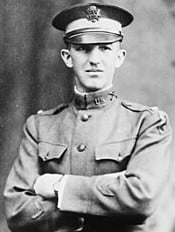
Edward J. “Ed” Hickox was an influential basketball coach, administrator, rules authority, and one of the key figures behind the creation of the Naismith Memorial Basketball Hall of Fame. A Springfield College graduate, Hickox coached the school's basketball team from 1926 to 1941, compiling a 209–85 record and leading Springfield to five New England championships.
He also served as the school's director of athletics. He was a charter member and later president of the National Association of Basketball Coaches (NABC) and was named its Man of the Year in 1949. He served as chairman of the NABC Rules Committee from 1945 to 1948, helping shape standardized rules and officiating practices. His greatest contribution came after he volunteered in 1949 to serve as executive secretary of the proposed Basketball Hall of Fame, helping lay the groundwork for its creation.
He remained involved with the Hall through 1963 and served on its board of directors. Hickox was inducted into the Naismith Memorial Basketball Hall of Fame in 1959 as a Contributor.
Hickox's Awards and Honors
- 5× New England Championship as Springfield College coach
- 1949 NABC Man of the Year
- NABC President
- Chairman of the National Basketball Rules Committee
- Member of the Hall of Fame's Board of Directors
- Executive secretary of the Basketball Hall of Fame from 1949 to 1963
NBA Position
As Coach
Springfield College (1926-1941)
As Chairman
NABC (1945-1948)
As Director
NABC (1959-1966)
NBA Stats
Springfield College Coach:
1926–1941
Springfield Basketball Record:
209–85
New England Championships:
5
NABC Man of the Year:
1949
National Basketball Rules Committee Chairman:
1945–1948
Basketball Hall of Fame Executive Secretary:
1949–1963
Edward Krause
Inducted:
1976
Player Stats
Born
February 2, 1913
Chicago, Illinois, U.S.
Died
December 11, 1992
South Bend, Indiana, U.S.
Position
Center
College
University of Notre Dame
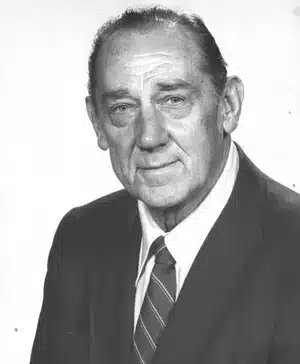
Edward "Moose" Krause was a titan of the early 1930s, defined by his immense physical strength and revolutionary post play. A standout at the University of Notre Dame, Krause became the first player in Irish history to be named a three-time consensus All-American. He was a dominant force in the "pivot" position, using his 6'3", 210-pound frame to control the glass and score at will before the inception of the three-second rule.
Although his career predated the NBA, he was a superstar on the AAU and professional barnstorming circuits, playing for teams like the Akron Firestone Non-Skids in the mid-1930s. Krause’s impact was so significant that he was often cited as the reason for several early rule changes designed to limit the dominance of interior players.
For his foundational role as one of the game's first true "power" centers, he was inducted into the Basketball Hall of Fame in 1976.
Krause's Awards and Honors
- Second-team All-American (1932)
- 3× Basketball All-American (1932–1934)
- Walter Camp Man of the Year (1976)
- NFF Distinguished American Award (1989)
- Indiana Basketball Hall of Fame Inductee
- Notre Dame Athletics Director (1949–1981)
NCAA Teams
Notre Dame (1931–1934)
NCAA Stats
Collegiate Record:
54–12 record over three seasons (1931–1934)
Collegiate Scoring:
Notre Dame's all-time leading scorer
Edward Steitz
Inducted:
1984

Stats
Born
November 7, 1920
Brooklyn, New York
Died
May 21, 1990
Position
Secretary/Editor
College
NA
Edward Steitz was a key figure in shaping modern basketball rules and international competition. Although he was not an NBA player or coach, his influence extended to all levels of the sport, including the professional game. Steitz served as the Secretary-General of the United States Olympic Basketball Committee for more than 40 years, helping guide American teams to consistent international success.
He played an important role in standardizing rules between FIBA and American basketball, which strengthened global competition and improved the structure of the game. His leadership and administrative work left a lasting mark on basketball’s growth worldwide. In recognition of his contributions, Edward Steitz was inducted into the Naismith Memorial Basketball Hall of Fame in 1984.
Steitz's Awards and Honors
- FIBA Hall of Fame (Inducted 2007)
- Founder of the Naismith Memorial Basketball Hall of Fame (1959)
- Conducted over 1,000 rules clinics in dozens of countries to standardize the game globally
- Longtime Secretary-General, U.S. Olympic Basketball Committee
- Major contributor to international rule development
NCAA
Editor (NCAA Basketball Rules Committee)
NCAA Stats
Years as Editor:
1965-1990
Articles Authored:
More than 300
Edward Wachter
Inducted:
1961
Player Stats
6 ft 1in (1.85m)
Born
June 30, 1883
Troy, New York, U.S.
Died
March 12, 1966
Troy, New York, U.S.
Position:
Center
College:
NA
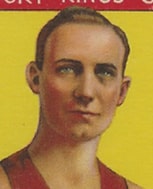
Edward “Ed” Wachter was one of the greatest professional basketball players of the early 20th century and one of the dominant centers of the pre-NBA era. Beginning his professional career at age 16,he played for more than two decades and became renowned for his scoring, defense, rebounding, passing and innovative approach to the game.
Wachter was the centerpiece of the powerful Troy Trojans and played for several of the leading professional teams of his era. He was also credited with pioneering the bounce pass and helped popularize important offensive and defensive techniques that became fundamental to modern basketball. He was inducted into the Naismith Memorial Basketball Hall of Fame in 1961 as a player.
Wachter's Awards and Honors
- 4× League Champion with the Troy Trojans
- All-League center, Western Pennsylvania Basketball League (1900–1902)
- All-League center, New England Basketball League (1902–1904)
- All-time All-American basketball center (1928)
NBA Teams
Troy Trojans (1909–1915)
Utica Utes (1915–1916)
Albany Senators (1920–1921)
NBA Stats
Professional Career:
23 years
Professional Games:
1,800+
National AAU Basketball title:
1 (1905)
Hudson River League championship:
2 (1910, 1912)
New York State League championship;
2 (1912, 2015)
Edwin Henderson
Inducted:
2013

Stats
5 ft 6 in (1.68 m,60kg)
Born:
November 24, 1883
Washington, D.C., US
Died:
February 3, 1977
Tuskegee, Alabama, US
Position:
Contributor
College:
NA
Edwin Bancroft Henderson (1883–1977), often called the “Father of Black Basketball,” was a pioneering educator, coach, and civil rights advocate whose influence shaped the growth of the sport among African Americans. In the early 1900s, Henderson introduced basketball to African American communities in Washington, D.C., after learning the game at Harvard University’s summer program. He organized and coached teams, created leagues, and promoted basketball as a tool for education, discipline, and community pride.
Henderson also authored influential books and articles on physical education and the benefits of organized sports, helping to open doors for African American athletes in competitive basketball. His work laid the foundation for future generations of players, coaches, and leaders, fostering both athletic opportunity and social progress. Inducted into the Naismith Memorial Basketball Hall of Fame in 2013, Henderson’s legacy extends beyond the court, as he used the game to inspire achievement, break barriers, and promote equality.
Henderson's Awards and Honors
- Naismith Memorial Basketball Hall of Fame inductee (2013)
- Known as the “Father of Black Basketball”
- Founder of early African American basketball leagues
- Advocate for physical education in public schools
Notable Achievements
- Introduced basketball to African American communities in Washington, D.C.
- Established organized competition for Black athletes in the early 20th century
- Influential writer and educator promoting equality through sports
- Paved the way for African American participation in competitive basketball
Position
Educator
Coach
Civil Rights Advocate
Stats
Years active:
1904–1950s
Leagues Founded:
- Inter-Scholastic Athletic Association of the Middle Atlantic States
- Washington 12th Street YMCA Basketball League
- Eastern Board of Officials
- Colored Intercollegiate Athletic Association
Elena Delle Donne
Inducted:
2026
Player Stats
6 ft 5in(1.96m)
187 lb(85kg)
Born
September 5, 1989
Wilmington, Delaware, U.S.
Position:
Forward
Guard
College:
Delaware (2009–2013)
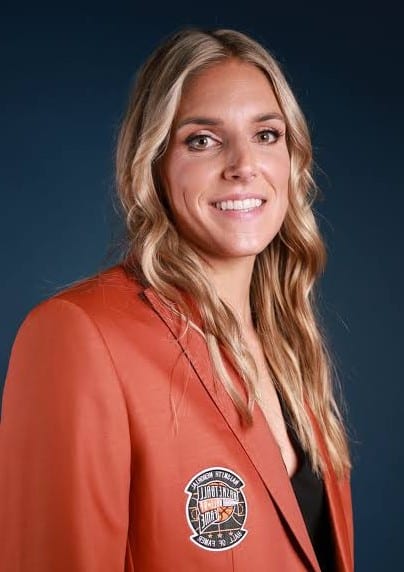
Elena Delle Donne is one of the greatest players in WNBA history, known for her exceptional scoring, shooting, versatility and all-around ability. Selected second overall by the Chicago Sky in the 2013 WNBA Draft, she immediately won WNBA Rookie of the Year and developed into one of the league's dominant stars. Delle Donne won two WNBA MVP awards, was selected to seven All-Star teams and led the Washington Mystics to their first WNBA championship in 2019. She also became the first WNBA player to join the prestigious 50-40-90 club and represented the United States at the 2016 Olympics, winning a gold medal. She was inducted into the Naismith Memorial Basketball Hall of Fame in 2026 as a player.
Donne's Awards and Honors
- Olympic Gold Medalist with USA (2016)
- 2× Women's Basketball Academic All-American of the Year (2012, 2013)
- 2× First-Team All-American with Delaware
- NCAA season scoring leader (2012)
- Naismith Prep Player of the Year (2008)
- Morgan Wootten Player of the Year (2008)
- McDonald's All-American (2008)
WNBA Records
- WNBA champion (2019)
- 2× WNBA MVP (2015, 2019)
- 7× WNBA All-Star (2013–2015, 2017–2019, 2023)
- 4× All-WNBA First Team (2015, 2016, 2018, 2019)
- All-WNBA Second Team (2013)
- WNBA 25th Anniversary Team (2021)
- WNBA scoring champion (2015)
- WNBA Rookie of the Year (2013)
WNBA Teams
Chicago Sky (2013–2016)
Washington Mystics (2017–2023)
WNBA Draft
2013: 1st round, 2nd overall pick
Chicago Sky
Number Worn
11
WNBA Stats
Seasons Played:
10 (2013–2023)
Games Played:
241
Game Started:
234
Points:
4,706 (19.5 ppg)
Rebounds:
1,618 (6.7 rpg)
Assists:
450 (1.9 apg)
Steals:
175 (0.7 spg)
Blocks:
347 (1.4 bpg)
Field Goal (%):
47.5
Free Throw (%):
93.7%
Elgin Baylor
Inducted:
1977
Player Stats
6 ft 5 in (1.96 m)
225 lb (102 kg)
Born
September 16, 1934
Washington, D.C., U.S.
Died
March 22, 2021
Los Angeles, California, U.S.
Position
Small forward
College
College of Idaho (1954–1955)
Seattle (1956–1958)
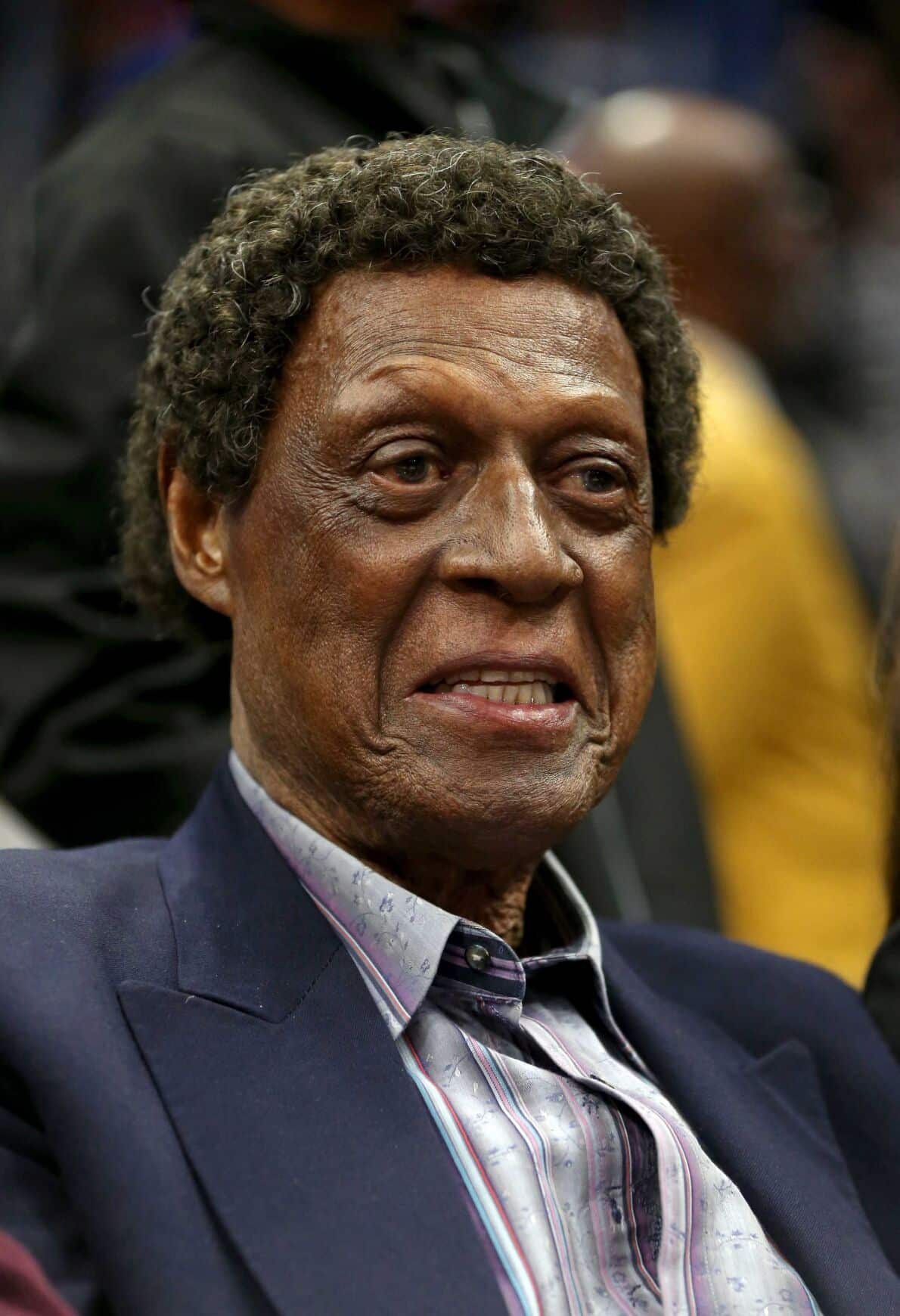
Elgin Baylor was the NBA's first true aerial artist, a 6'5" forward whose acrobatic playing style transformed the game from a horizontal sport to a vertical one. Known for his incredible "hang time," body control, and creative finishes, Baylor was the bridge between the foundational era and the high-flying age of Julius Erving and Michael Jordan. As the cornerstone of the Minneapolis and Los Angeles Lakers, he was credited with single-handedly saving the franchise from bankruptcy upon his arrival in 1958.
Baylor was a double-double machine who once scored 71 points in a game and still holds the NBA Finals record for most points in a single game (61 points). Despite his individual brilliance, he famously retired just nine games into the 1971–72 season—the same year the Lakers finally broke through to win the championship. He was inducted into the Basketball Hall of Fame in 1977.
Baylor's Awards and Honor
- 11× NBA All-Star (1959–1965, 1967–1970)
- NBA All-Star Game co-MVP[a] (1959)
- 10× All-NBA First Team (1959–1965, 1967–1969)
- NBA Rookie of the Year (1959)
- NBA anniversary team (35th, 50th, 75th)
- 22 retired by Los Angeles Lakers
- NCAA final Four Most Outstanding Player (1958)
NBA Records
- Scored 71 points in a single NBA game
- Averaged 38.3 points per game during the 1961–62 season
- First forward to consistently dominate as a primary scorer and rebounder
NBA Teams
Minneapolis / Los Angeles Lakers (1958–1971)
NBA Draft
1958: 1st round, 1st overall pick
Minneapolis Lakers
Number Worn
22
NBA Stats
Season Played:
14 (1958–1972)
Game Played:
846
Points:
23,149 (27.4 ppg)
Rebounds:
11,463 (13.5 rpg)
Assists:
3,650 (4.3 apg)
Field Goal %:
43.1%
Free Throw %:
78.0%
Point Per Game:
27.4
"Don't Just Watch the Game—Own the Look!"
Score the hottest drop of the season, from authentic Icon Edition jerseys to the latest sneaker releases and official team hoodies. High-performance gear for the ultimate basketball fan.
Get Your Gear – NBA Official Collection








NBA Hall of Fame
The NBA Hall of Fame, officially known as the Basketball Hall of Fame, is a prestigious institution that honors the greatest figures in the sport of basketball. Each year, the Induction ceremony celebrates legendary players who have made significant impacts on the game. The Hall of Fame class features basketball legends whose remarkable career achievements and iconic moments have defined the sport.
Inductees are recognized for their substantial player contributions, earning various awards and honors throughout their careers. The Hall also pays tribute to retired jerseys and acknowledges the profound impact on the game by highlighting the historic contributions of its members. With a focus on the legacy in basketball, the NBA Hall of Fame continues to celebrate excellence and inspire future generations of players through memorable speeches and recognition in sports.