
Search by the First Name of the HOFers
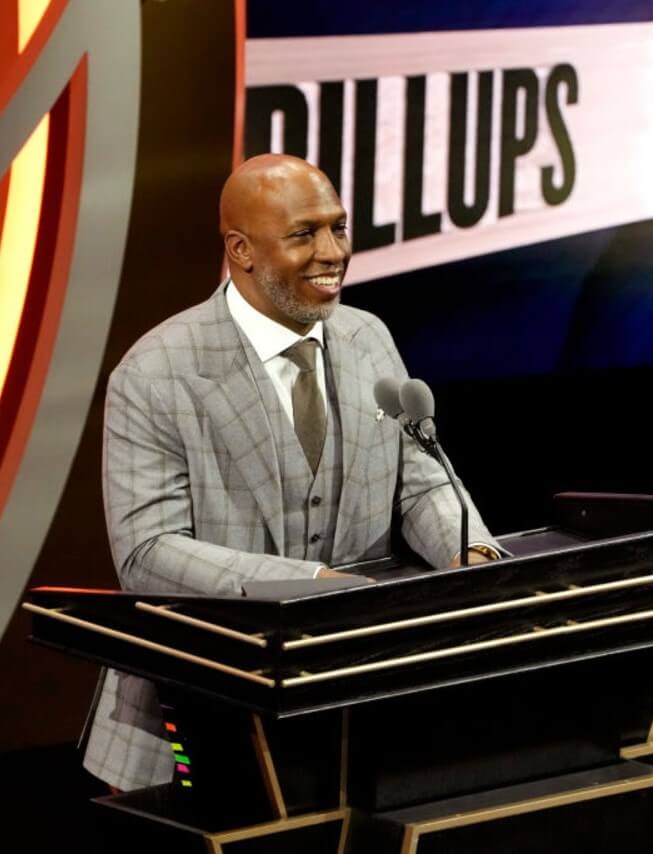
Chauncey Billups
Inducted:
2024
Player Stats
Stats:
6 ft 3 in (1.91 m)
210 lb (95 kg)
Born:
September 25, 1976
Denver, Colorado, U.S.
Position:
Point guard
College:
Colorado (1995–1997)
Chauncey Billups was one of the most clutch performers in NBA history, earning the nickname "Mr. Big Shot" for his ability to deliver in pressure moments. After being drafted third overall in 1997 by the Boston Celtics, Billups took time to find his footing in the league before becoming the heart and soul of the Detroit Pistons. He led the Pistons to the 2004 NBA Championship, earning Finals MVP honors for his leadership and clutch shooting.
A five-time NBA All-Star, Billups was known for his high basketball IQ, tenacious defense, and ability to control the pace of the game. He was a key figure in Detroit’s dominance during the mid-2000s, helping them reach six straight Eastern Conference Finals.
After retiring, Billups transitioned into coaching and currently serves as the head coach of the Portland Trail Blazers.
Billups' Awards and Honors
- NBA champion (2004)
- NBA Finals MVP (2004)
- 5× NBA All-Star (2006–2010)
- All-NBA Second Team (2006)
- 2× All-NBA Third Team (2007, 2009)
- 2× NBA All-Defensive Second Team (2005, 2006)
- NBA Sportsmanship Award (2009)
- 1 retired by Detroit Pistons
- Consensus second-team All-American (1997)
- First-team All-Big 12 (1997)
- 4 retired by Colorado Buffaloes
- McDonald's All-American (1995)
- Second-team Parade All-American (1995)
- Fourth-team Parade All-American (1994)
- 3× Mr. Colorado Basketball (1993–1995)
NBA Teams
Boston Celtics 1997–1998
Toronto Raptors 1998–1999
Denver Nuggets 1999–2000
Minnesota Timberwolves 2000–2002
Detroit Pistons 2002–2008
Denver Nuggets 2008–2011
New York Knicks 2011
Los Angeles Clippers 2011–2013
Detroit Pistons 2013–2014
NBA draft:
1997: 1st round, 3rd overall pick
Boston Celtics
Numbers Worn:
4, 3, 1, 7
NBA Stats
Seasons:
17
Games Played:
1,043
Points:
15,802 (15.2 ppg)
Rebounds:
2,992 (2.9 rpg)
Assists:
5,636 (5.4 apg)
Blocks:
168 (0.2 bpg)
Steals:
1,051 (Avg 1.0)
FG%
45.5
FT%
75.0
Three-Point(%)
38.7%
Cheryl Miller
Inducted:
1995

Player Stats
6 ft 2 in (1.88 m)
180 lb (82 kg)
Born
January 3, 1964
Riverside, California, U.S.
Position
Small forward
College
USC (1982–1986)
Cheryl Miller is widely regarded as one of the greatest—if not the greatest—players to ever grace the hardwood. A generational talent who combined size, speed, and an untouchable competitive fire, she didn't just play basketball; she elevated its status in American culture. At USC, Miller was a force of nature, leading the Trojans to back-to-back NCAA Championships (1983, 1984). In 1986, Sports Illustrated famously named her the best player in college basketball, male or female.
Though her playing career was tragically cut short by knee injuries before the WNBA existed, Miller’s impact on the NBA is profound. She transitioned into a legendary broadcasting career, becoming the first female analyst to call a nationally televised NBA game in 1996. She also proved her tactical mind as a head coach and GM in the WNBA. She was inducted into the Hall of Fame in 1995.
Miller's Awards and Honors
- Women’s Basketball Hall of Fame (Inaugural Class, 1999)
- 2× NCAA champion (1983, 1984)
- 3× Naismith College Player of the Year
- 2× NCAA Tournament MVP (1983, 1984)
- 2× USA Basketball Female Athlete of the Year (1984, 1986)
- 2× WBCA Player of the Year (1985, 1986)
- 4× Kodak All-American (1983–1986)
- Olympic Gold Medalist (1984)
- 31 Retired by USC
NCAA Teams
USC (1982–1986)
National Team
United States
Number Worn
31
NCAA Stats
Season:
4 (1982-1986)
Games Played:
128
Points:
3,018
Rebounds (USC):
1,534 (12.0 rpg)
Field Goal %:
56.5%
Free Throw %:
73.5%
Point Per Game:
23.6
NCAA Championships:
2 (1983, 1984)
Olympic Gold Medals:
1 (1984)
Naismith Player of the Year:
3 (1984, 1985, 1986)
Single-Game High (HS):
105 Points (Jan 26, 1982)
Chet Walker
Inducted:
2012
Player Stats
6 ft 7 in (2.01 m)
212 lb (96 kg)
Born:
February 22, 1940
Bethlehem, Mississippi, U.S.
Died
June 8, 2024
Long Beach, California, U.S.
Position:
Small forward
College:
Bradley (1959–1962)
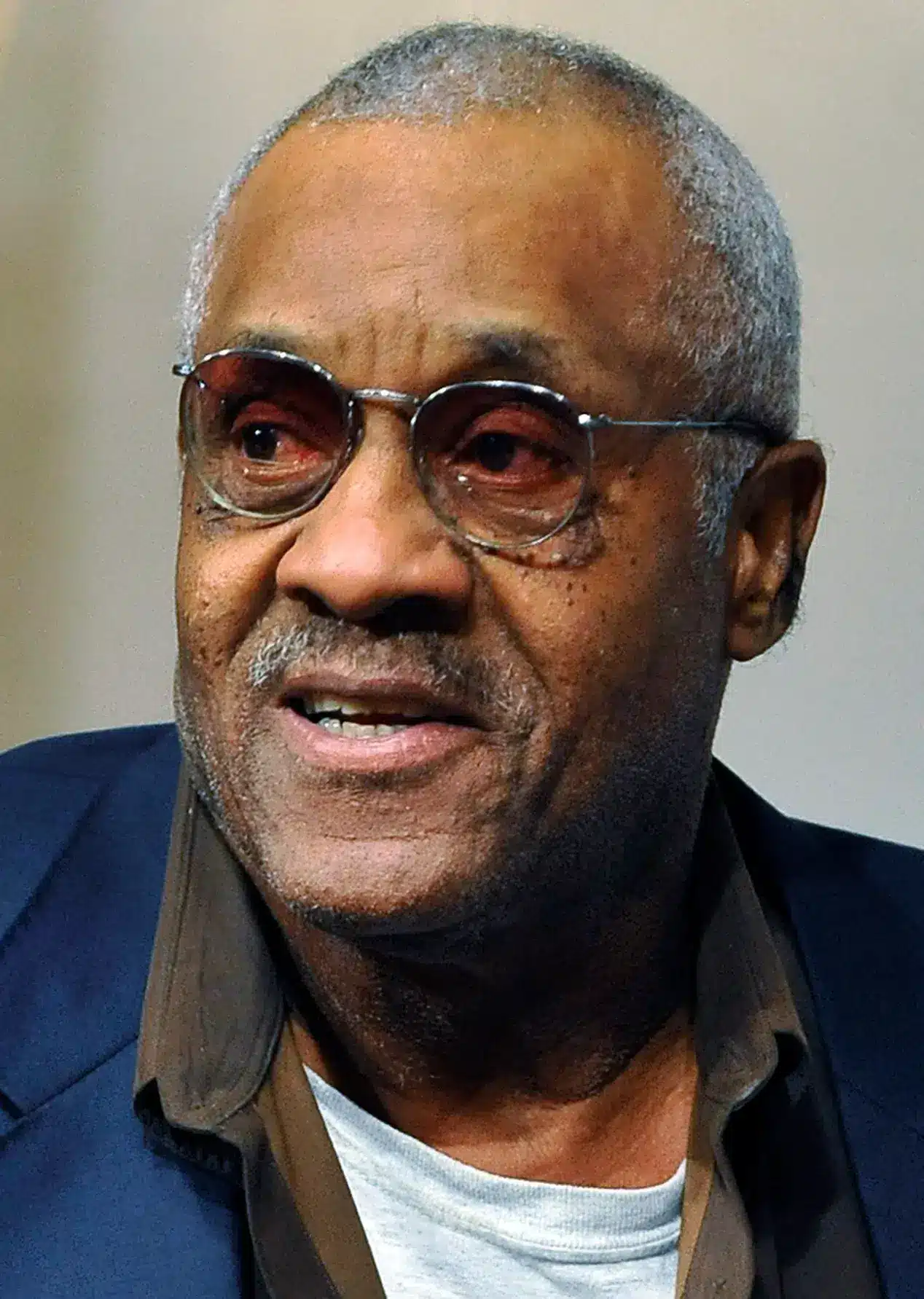
Chet Walker, born February 22, 1940, in Bethlehem, Pennsylvania, was one of the NBA’s smoothest and most skilled forwards of the 1960s and 1970s. Playing primarily for the Philadelphia 76ers and later the Chicago Bulls, Walker combined scoring ability with intelligent playmaking and strong defensive skills. He was known for his mid-range jump shot, court vision, and consistency, making him a reliable contributor on both ends of the floor.
Walker played a key role in Philadelphia’s 1967 NBA Championship team, helping lead the 76ers to one of the most dominant seasons in league history. Over a 15-season career, he scored over 17,000 points, grabbed nearly 6,000 rebounds, and provided more than 3,600 assists. Inducted into the Naismith Memorial Basketball Hall of Fame in 2012, Walker is remembered as a versatile forward, a steady scorer, and a player who combined talent with professionalism, leaving a lasting impact on the game and his teams.
Walker's Awards and Honors
- NBA champion (1967)
- 7× NBA All-Star (1964, 1966, 1967, 1970, 1971, 1973, 1974)
- NBA All-Rookie First Team (1963)
- 2× Consensus first-team All-American (1961, 1962)
- Second-team All-American – AP, NABC, UPI (1960)
- 3× First-team All-MVC (1960–1962)
NBA Records
- Excelled in mid-range shooting and team playmaking
- Left a legacy of professionalism and versatility in the NBA
- One of the league’s most consistent scorers and reliable defenders
- Key contributor to the 1967 76ers’ record-breaking championship season
NBA Teams
Syracuse Nationals / Philadelphia 76ers (1962–1969)
Chicago Bulls (1969–1975)
NBA Draft:
1962: 2nd round, 12th overall pick
Syracuse Nationals
Number Worn:
25
NBA Stats
Season:
13 (1962–1975)
Games Played:
1,032
Points:
18,831 (18.2 ppg)
Rebounds:
7,314 (7.1 rpg)
Assists:
2,126 (2.1 apg)
Field Goal %:
47.0%
Free Throw %:
79.6%
Point Per Game:
18.2
NBA Championship:
1967
Chick Hearn
Inducted:
2003

Stats
Born
November 27, 1916
Buda, Illinois, U.S.
Died
August 5, 2002
Los Angeles, California, U.S.
Position
Contributor
College
Bradley University
Chick Hearn was the voice of the Los Angeles Lakers for more than four decades and one of the most influential broadcasters in sports history. Beginning in 1961, Hearn called an unmatched 3,338 consecutive Lakers games, becoming a constant presence through championship eras and generations of players. His fast-paced, descriptive style brought the game to life for listeners and viewers, making basketball easier to understand and more exciting to follow.
Hearn coined or popularized many terms that are now part of everyday basketball language, shaping how the game is spoken about worldwide. His professionalism, preparation, and passion set the gold standard for sports broadcasting. More than just a commentator, he became part of the Lakers’ identity and NBA culture as a whole. In recognition of his lasting impact on the game, Chick Hearn was inducted into the Naismith Memorial Basketball Hall of Fame in 2003.
Hearn's Awards and Honors
- Curt Gowdy Media Award (1991)
- Star on the Hollywood Walk of Fame (1986)
- Emmy Award for Excellence (1965)
- Bronze Statue at Crypto.com Arena (Dedicated 2010)
- American Sportscasters Hall of Fame (1995)
- Radio Hall of Fame (2022)
- Longest consecutive broadcast streak in NBA history
- One of the most influential voices in basketball history
NBA Teams
Los Angeles Lakers (1961–2002)
NBA Stats
Tenure with Lakers:
1961–2002
Consecutive Games Streak:
3,338 (1965–2001)
NBA Championships Called:
9
Lakers championships covered:
11
Hall of Fame Category:
Contributor (Inducted 2003)
National Sportscaster of the Year:
3 (1959, 1965, 1987)
Chris Bosh
Inducted:
2021

Player Stats
6 ft 11 in (2.11 m)
235 lb (107 kg)
Born:
March 24, 1984
Dallas, Texas, U.S.
Position:
Power forward
Center
College:
Georgia Tech (2002–2003)
Chris Bosh was a versatile big man whose skill, intelligence, and leadership played a key role in two NBA championships.
Drafted 4th overall in 2003 by the Toronto Raptors, he became the franchise cornerstone, earning five All-Star selections in seven seasons.
In 2010, Bosh joined LeBron James and Dwyane Wade in Miami, forming the “Big Three” and helping lead the Heat to four straight NBA Finals and back-to-back titles in 2012 and 2013.
Known for his mid-range shooting, defensive versatility, and clutch rebounding, Bosh sacrificed personal stats for team success.
Bosh was inducted into the Naismith Memorial Basketball Hall of Fame in 2021, cementing his legacy as a selfless star who helped define an era of NBA basketball.
Bosh's Awards and Honors
- 1 retired by the Miami Heat
- Second-team All-ACC (2003)
- ACC Rookie of the Year (2003)
- First-team Parade All-American (2002)
- McDonald's All-American (2002)
- Texas Mr. Basketball (2002)
- Toronto Raptors' all-time leading scorer until 2016
- Inducted into Naismith Memorial Basketball Hall of Fame (2021)
- Gold Medalist – 2008 Olympics (Team USA)
NBA Records
- 2× NBA champion (2012, 2013)
- 11× NBA All-Star (2006–2016)
- All-NBA Second Team (2007)
- NBA All-Rookie First Team (2004)
NBA Teams
Toronto Raptors 2003–2010
Miami Heat 2010–2017
NBA Draft:
2003: 1st round, 4th overall pick
Toronto Raptors
Numbers Worn:
4, 1
NBA Stats
Games Played:
893
Game Started:
881
Points:
17,189 (19.2 PPG)
Rebounds:
7,592 (8.5 RPG)
Assists:
1,795 (2.0 APG)
FG%:
49.4%
FT%:
79.9%
3P%:
33.5%
Chris Mullin
Inducted:
2011
Player Stats
6 ft 7 in (2.01 m)
200 lb (91 kg)
Born:
July 30, 1963
New York City, New York, U.S.
Position:
Small forward
Shooting guard
Coach
College:
St. John's (1981–1985)
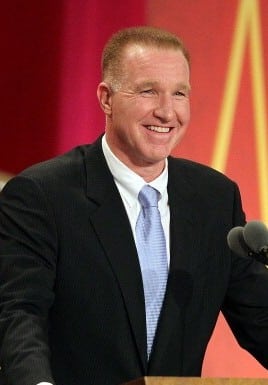
Chris Mullin was one of the NBA’s purest shooters and a cornerstone of basketball excellence through the 1980s and 1990s. A left-handed forward with a smooth stroke, Mullin became known for his scoring ability, work ethic, and leadership. After starring at St. John’s, he enjoyed a 16-year NBA career, primarily with the Golden State Warriors, where he earned five All-Star selections and was part of the famed “Run TMC” trio.
Mullin also played a vital role in international basketball, winning Olympic gold in 1984 and as a member of the original 1992 “Dream Team.” Over his career, he scored more than 17,000 points and was one of the league’s most reliable perimeter threats.
Inducted into the Hall of Fame in 2011, Mullin left an enduring impact both as a player and later as an executive and coach, remembered for his fundamentals, clutch shooting, and contributions to both the NBA and USA Basketball.
Mullin's Awards and Honors
- 5× NBA All-Star (1989–1993)
- All-NBA First Team (1992)
- 2× All-NBA Second Team (1989, 1991)
- All-NBA Third Team (1990)
- Member of the 1992 “Dream Team”
- 17 retired by Golden State Warriors
NBA Records
- Integral part of “Run TMC” with Tim Hardaway and Mitch Richmond
- Scored 25+ PPG for five consecutive seasons (1988–1993)
- John’s all-time leading scorer at the time of graduation
NBA Teams
As a player:
Golden State Warriors (1985–1997)
Indiana Pacers (1997–2000)
Golden State Warriors (2000–2001)
As a coach:
St. John's (2015–2019)
NBA Draft:
1985: 1st round, 7th overall pick
Golden State Warriors
Number Worn:
17
NBA Stats
Career:
1985–2001
Game Played:
986
Game Started:
822
Points:
17,911 (18.2 PPG)
Rebounds:
3,450 (3.5 RPG)
Assists:
3,450 (3.5 APG)
Field Goal %:
50.9%
Free Throw %:
86.5%
Point Per Game:
18.2
Chris Webber
Inducted:
2021
Player Stats
6 ft 9 in (2.06 m)
245 lb (111 kg)
Born:
March 1, 1973
Detroit, Michigan, U.S.
Position:
Power forward
Center
College:
Michigan (1991–1993)
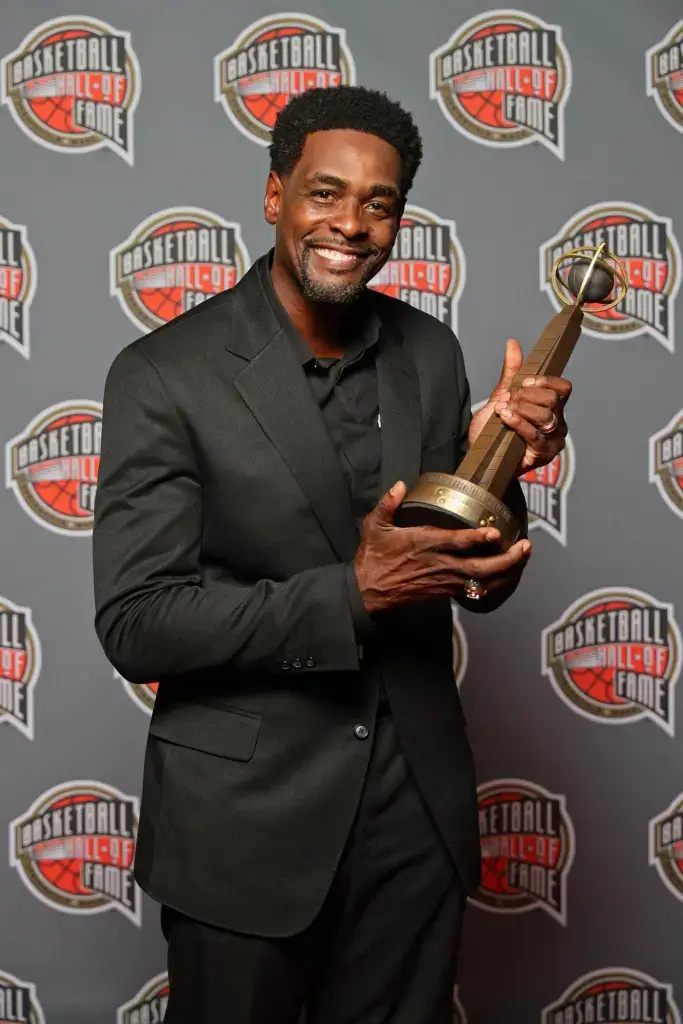
Chris Webber was a versatile and skilled big man who helped redefine the modern power forward role. Known for his passing, scoring, and rebounding, Webber made an immediate impact as the 1994 Rookie of the Year.
He became a five-time All-Star and was the centerpiece of the Sacramento Kings’ resurgence in the early 2000s, leading them to multiple playoff runs and nearly an NBA Finals appearance in 2002.
Webber averaged over 20 points and 9 rebounds for his career and was one of the best passing forwards of his era. Before his NBA success, he gained national fame as part of Michigan’s legendary “Fab Five.” Though injuries shortened his peak, his overall impact was undeniable.
He was inducted into the Naismith Memorial Basketball Hall of Fame in 2021.
Webber's Awards and Honors
- 4 retired by Sacramento Kings
- Consensus first-team All-American (1993)
- USBWA National Freshman of the Year (1992)
- Big Ten Freshman of the Year (1992)
- National high school player of the year (1991)
- 2× First-team Parade All-American (1990, 1991)
- McDonald's All-American Co-MVP (1991)
- Basketball of Michigan (1991)
NBA Records
- 5× NBA All-Star (1997, 2000–2003)
- All-NBA First Team (2001)
- 3× All-NBA Second Team (1999, 2002, 2003)
- All-NBA Third Team (2000)
- NBA Rookie of the Year (1994)
- NBA All-Rookie First Team (1994)
- NBA rebounding leader (1999)
NBA Teams
Golden State Warriors 1993–1994
Washington Bullets / Wizards 1994–1998
Sacramento Kings 1998–2005
Philadelphia 76ers 2005–2007
Detroit Pistons 2007
Golden State Warriors 2008
NBA Draft:
1993: 1st round, 1st overall pick
Orlando Magic
Numbers Worn:
4, 2, 84
NBA Stats
Seasons:
15 (1993–2008)
Games Played:
831
Points:
17,182 (20.7 PPG)
Rebounds:
8,124 (9.8 RPG)
Assists:
3,526 (4.2 APG)
Blocks:
1,200 (1.4 BPG)
FG%:
47.9%
Double-Doubles:
428
Chuck Cooper
Inducted:
2019
Player Stats
6 ft 5 in (1.96 m)
208 lb (94 kg)
Born:
September 29, 1926
Pittsburgh, Pennsylvania, U.S.
Died:
February 5, 1984
Pittsburgh, Pennsylvania, U.S.
Position:
Small forward
Shooting guard
College:
West Virginia State (1944–1945)
Duquesne (1946–1950)
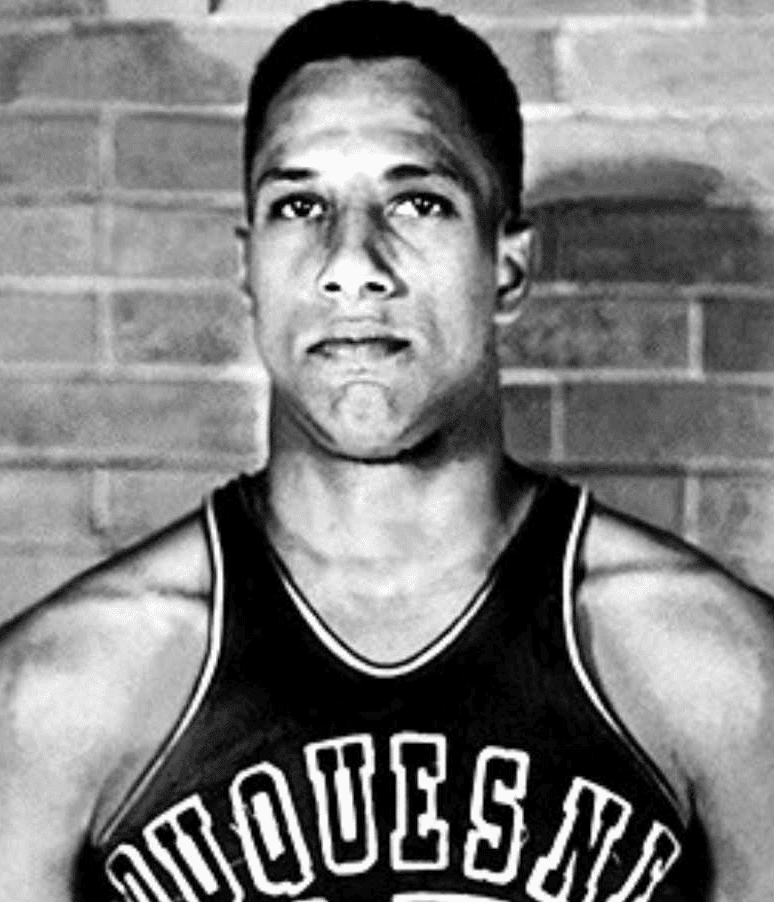
Chuck Cooper (1926–1984) changed the NBA forever when he became the first African-American player ever drafted, selected by the Boston Celtics in 1950. A 6’5” forward from Duquesne University, Cooper was known for his athleticism, smart play, and ability to battle in the paint.
He played six seasons in the NBA, suiting up for the Celtics, Milwaukee Hawks, and Fort Wayne Pistons. While his on-court numbers were modest, his impact was monumental. Cooper faced racism with strength and dignity, becoming a symbol of progress in a newly integrated league. His presence opened the door for generations of Black athletes to follow. After basketball, he earned a master’s degree and worked in education and community development in Pittsburgh.
In 2019, Chuck Cooper was rightfully inducted into the Naismith Memorial Basketball Hall of Fame, honoring his legacy as a player and a pioneer.
Cooper's Awards and Honors
- Consensus second-team All-American (1950)
- 15 retired by Duquesne Dukes
- Naismith Memorial Basketball Hall of Fame Inductee (2019)
- First African-American player drafted into the NBA (1950)
- Pittsburgh’s Chuck Cooper Foundation established in his honor
- One of the first three Black players to break the NBA’s color barrier (1950–51)
NBA Teams
Boston Celtics 1950–1954
Milwaukee / St. Louis Hawks 1954–1956
Fort Wayne Pistons 1956
NBA Draft:
1950: 2nd round, 13th overall pick
Boston Celtics
Number Worn:
11, 15, 6
NBA Stats
Games Played:
409
Points:
2,725 (6.7 PPG)
Rebounds:
2,431 (5.9 RPG)
Assists:
734 (1.8 APG)
Field Goal %:
34.3%
Free Throw %:
66.9%
Chuck Daly
Inducted:
1994

Coach Stats
6 ft 2 in (1.88 m)
180 lb (82 kg)
Born
July 20, 1930
Kane, Pennsylvania, U.S.
Died
May 9, 2009
Jupiter, Florida, U.S.
Position
Coach
College
Bloomsburg (1950–1952)
Chuck Daly was a master strategist whose calm leadership and defensive brilliance defined championship basketball. He is best remembered as the head coach of the Detroit Pistons’ “Bad Boys,” a team built on toughness, balance, and unselfish play. Daly guided the Pistons to back-to-back NBA championships in 1989 and 1990, earning respect for his ability to manage strong personalities while keeping the team unified.
Beyond the NBA, Daly made history by coaching the 1992 United States Olympic men’s team, known as the Dream Team, leading them to a dominant gold medal run. His influence stretched across decades as both a teacher of the game and a leader of men. Chuck Daly was inducted into the Naismith Memorial Basketball Hall of Fame in 1994, honoring his lasting impact on basketball.
Daly's Awards and Honors
- 2 retired by Detroit Pistons
- 4× Ivy League champion (1971–1974)
- 5× Big 5 champion (1971–1974, 1977)
- Olympic Gold Medalist (1992)
- Chuck Daly Lifetime Achievement Award
NBA Records
- 2× NBA champion (1989, 1990)
- NBA All-Star Game head coach (1990)
- Top 10 Coaches in NBA History
- Top 15 Coaches in NBA History
NBA Teams
Philadelphia 76ers (1978–1981-assistant)
Cleveland Cavaliers (1981–1982)
Detroit Pistons (1983–1992)
New Jersey Nets (1992–1994)
Orlando Magic (1997–1999)
NBA Stats
Games Coached:
1075
Win:
638
Lose:
437
W/L(%):
.593
Playoff Record:
75–51 (.595)
NBA Championships:
2 (1989, 1990)
Olympic Gold Medals:
1 (1992 Dream Team)
Winning Seasons:
12 (out of 14)
Clair Bee
Inducted:
1968
Stats
Born
March 2, 1896
Pennsboro, West Virginia, U.S.
Died
May 20, 1983
Cleveland, Ohio, U.S.
Position
Contributor
College
Waynesburg University
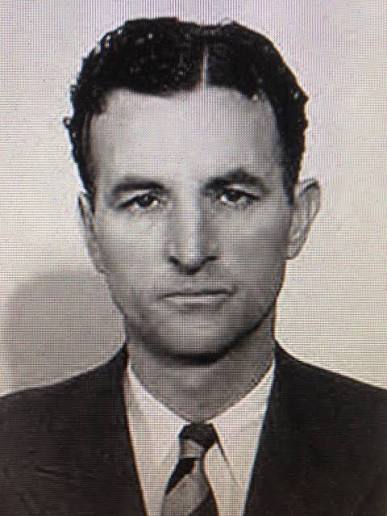
Clair Bee was one of basketball's greatest innovators, leaving a lasting mark as a coach, teacher, and contributor to the game's development. He served as head coach and executive for the Baltimore Bullets from 1952 to 1954—his core legacy was established as a legendary collegiate coach, master tactician, and author. Bee holds one of the highest career winning percentages in NCAA Division I history (.824) across his 21 seasons at Rider University and Long Island University (LIU Brooklyn).
Nicknamed "The Innovator," Bee helped reshape modern basketball by developing the 1-3-1 zone defense and playing a key role in the implementation of the three-second rule. Off the floor, he popularized the sport for generations of young fans by writing the famous Chip Hilton Sports Series.
For his comprehensive impact as a coach, author, clinician, and tactical strategist, he was inducted into the Naismith Memorial Basketball Hall of Fame as a Contributor in 1968.
Bee's Awards and Honor
- 6× National Invitation Tournament (NIT) Champion
- Creator of the 1-3-1 zone defense
- One of the winningest coaches of his era
- Renowned basketball author and educator
- Helms National Champion (1939)
NBA Teams
As Coach
Rider College (1929–1931)
Long Island University (1931–1951)
As Executive
Baltimore Bullets (1952–1954)
NBA Records
Overall Coaching Record:
413–88
Winning Percentage:
.824
NIT Championships:
6 (1939, 1941, 1942, 1943, 1947, 1948)
Undefeated Seasons Record:
43-game winning streak (1935 to 1937)
NCAA record Division I:
Winning 83%
NIT:
2 (1939, 1941)
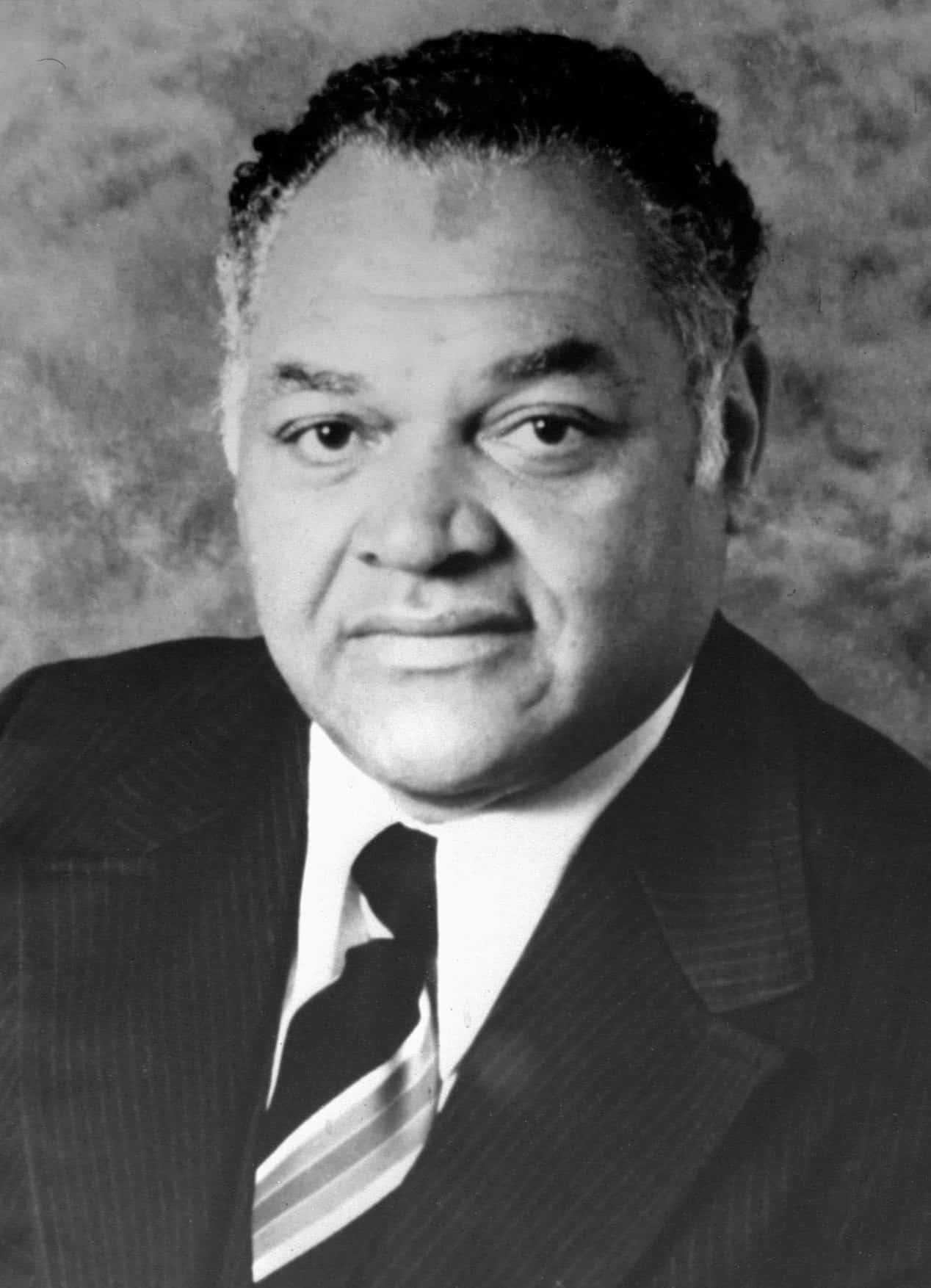
Clarence Gaines
Inducted:
1982
Coach Stats
Born
May 21, 1923
Paducah, Kentucky, U.S.
Died
April 18, 2005
Winston-Salem, North Carolina, U.S.
Position
Coach
College
NA
Clarence “Big House” Gaines was one of the most respected figures in basketball history, known for his long and successful coaching career at Winston-Salem State University. Although he did not coach in the NBA, his influence on professional basketball came through the players he developed, including future Hall of Famer Earl Monroe. Gaines built Winston-Salem State into a national powerhouse, leading the program for nearly five decades and winning over 800 games.
His teams captured multiple conference titles and the 1967 NCAA College Division National Championship, a historic achievement for a historically Black college. Gaines was widely admired for his leadership, discipline, and dedication to developing student-athletes both on and off the court. In recognition of his lasting impact on the sport, he was inducted into the Naismith Memorial Basketball Hall of Fame in 1982.
Gaines' Awards and Honors
- NCAA Championship (1967)
- 8 CIAA Championship (1953, 1957, 1960, 1961, 1963, 1966, 1970, 1977)
- NCAA Division II College Coach of the Year (1967)
- 6× CIAA Coach of the Year (1957, 1961, 1963, 1970, 1975, 1980)
- First African American coach to win an NCAA-sanctioned national championship
- One of the winningest coaches in college basketball history
NCAA Teams
Winston-Salem State (1946–1993)
NCAA Stats
Career Span:
1946–1993
Seasons Coached:
47
Wins:
828
Total Losses:
447
NCAA Division II Championships:
1 (1967)
CIAA Conference Titles:
11
Cliff Fagan
Inducted:
1984
Executive Stats
Born
March 3, 1911
Mankato, Minnesota
Died
January 18, 1995
McHenry, Illinois
Position
Contributor
College
La Crosse State Teachers College
Cliff Fagan was one of the most influential administrators in the history of amateur and international basketball. Fagan's impact was primarily felt in the high school and global arenas. As the long-time Executive Director of the National Federation of State High School Associations (NFHS), he was the primary architect of the standardized rules and administrative structures that govern high school sports across all 50 states today. Fagan was a fierce advocate for the "educational" value of sports, expanding the federation to reach nearly 800,000 student-athletes. His influence extended globally through his leadership on the U.S. Olympic Committee and his work with FIBA. He was inducted into the Basketball Hall of Fame as a contributor in 1984.
Fagan's Awards and Honors
- FIBA Order of Merit (1994)
- NFHS Hall of Fame Inductee
- Wisconsin Interscholastic Athletic Association (WIAA) Hall of Fame
- University of Wisconsin-La Crosse Wall of Fame
Organizations
Secretary (WIAA)
Member (FIBA)
Director (U.S. Olympic Committee)
President (Naismith Memorial Basketball Hall of Fame)
Positions
Career Span:
As Executive Director (1959–1977)
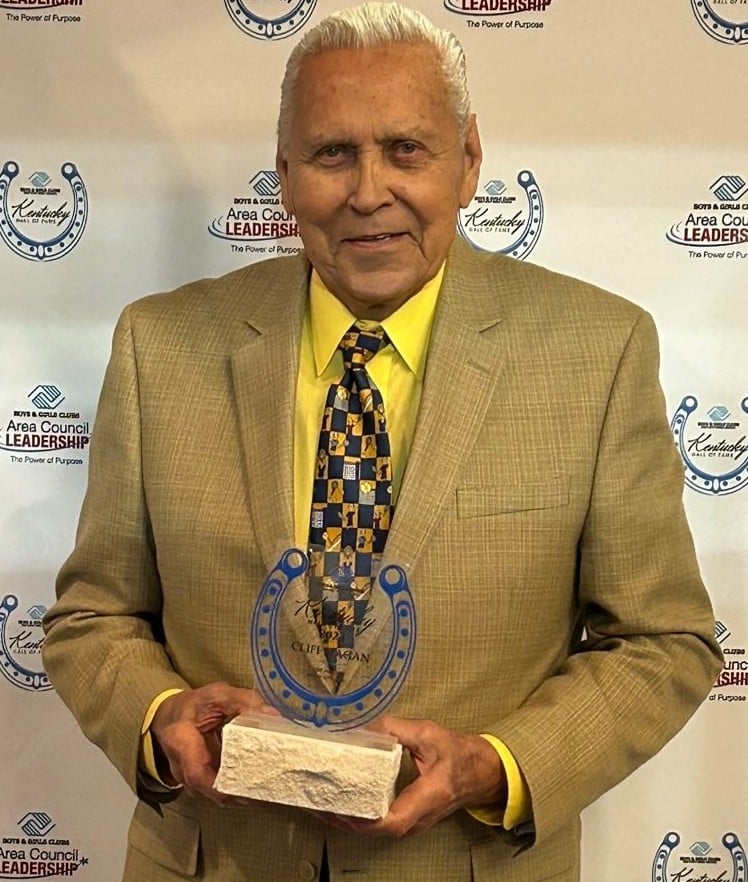
Cliff Hagan
Inducted:
1978
Player Stats
6 ft 4 in (1.93 m)
210 lb (95 kg)
Born
December 9, 1931
Owensboro, Kentucky, U.S.
Position
Small forward
College
Kentucky (1950–1954)
Cliff Hagan was a versatile and consistent forward who played a key role in the success of the St. Louis Hawks during the late 1950s and 1960s. Known for his smooth scoring ability and strong all-around game, Hagan formed a powerful partnership with Bob Pettit, helping lead the Hawks to multiple NBA Finals appearances. His biggest achievement came in 1958 when the Hawks won the NBA Championship, with Hagan delivering crucial performances throughout the series.
A reliable scorer and smart team player, he was effective both in the post and from mid-range, making him difficult to defend. Hagan was also a steady presence on the boards and contributed defensively. Over the course of his career, he earned multiple All-Star selections and established himself as one of the league’s most dependable forwards. In recognition of his contributions, Cliff Hagan was inducted into the Naismith Memorial Basketball Hall of Fame in 1978, honoring his impact on the game.
Hagan's Awards and Honors
- ABA All-Star (1968)
- NCAA champion (1951)
- 2× Consensus first-team All-American (1952, 1954)
- 2× Consensus First-Team All-American (1952, 1954)
- 6 Retired by the University of Kentucky
NBA Records
- NBA champion (1958)
- 5× NBA All-Star (1958–1962)
- 2× All-NBA Second Team (1958, 1959)
NBA Teams
St. Louis Hawks (1956–1966)
Dallas Chaparrals (1967–1969)
NBA Draft
1953: 3rd round, 22nd overall pick
Boston Celtics
Number Worn
6, 17, 16
NBA Stats
Season:
13 (1956-1970)
Games Played:
839
Points:
14,780 (17.7 ppg)
Rebounds:
5,555 (6.6 rpg)
Assists:
2,646 (3.2 apg)
Field Goal %:
45.4%
Free Throw %:
79.9%
Playoff Games:
95
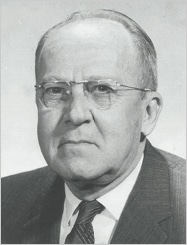
Clifford Wells
Inducted:
1972
Stats
Born
March 17, 1896
Indianapolis, Indiana, U.S.
Died
August 15, 1977
Garland, Texas, U.S.
Position
Contributor
College
Indiana University
Clifford Wells was one of the most respected basketball coaches and educators of the mid-20th century. He spent nearly 30 years as a highly successful coach in the fiercely competitive Indiana high school basketball circuit before transitioning to the collegiate ranks, where he led the Tulane University Green Wave for 18 seasons. Beyond his sideline success, Wells was a premier executive mind.
He was one of the principal architects of the National Association of Basketball Coaches (NABC), serving as its first executive secretary and helping unify the coaching community across the nation. For his tireless dedication to basketball's growth, tactical evolution, and administration, he was inducted into the Naismith Memorial Basketball Hall of Fame as a Contributor in 1972.
Wells' Awards and Honor
- 2× Indiana High School State Champion (1919, 1934)
- President of the NABC
- Indiana Basketball Hall of Fame
- Tulane Athletics Hall of Fame
- Louisiana Sports Hall of Fame
NBA Teams
As Coach
Tulane (1945–1963)
As Director
Basketball HOF (1963–1966)
NBA Stats
High School Coaching Record:
Over 400 victories
Collegiate Coaching Record:
254–171 (.624)
NCAA Tournament Appearances:
3
Administrative career:
1963-1966
Administrative Leadership:
Basketball HOF (director)
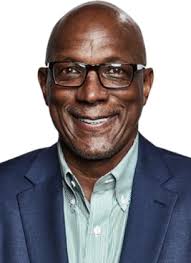
Clyde Drexler
Inducted:
2004
Player Stats
6 ft 7 in (2.01 m)
222 lb (101 kg)
Born
June 22, 1962
New Orleans, Louisiana, U.S.
Position
Shooting guard
Small forward
College
Houston (1980–1983)
Clyde "The Glide" Drexler was the personification of effortless athleticism. A 6'7" shooting guard with a legendary vertical leap, Drexler earned his nickname for a smooth, "gliding" style of play that masked a ferocious competitive drive. He spent the first 11.5 seasons of his career as the cornerstone of the Portland Trail Blazers, leading them to two NBA Finals appearances (1990, 1992). During the late '80s and early '90s, he was widely considered the only player whose all-around game and explosive scoring could rival Michael Jordan's.
Drexler’s journey reached a storybook conclusion when he was traded to the Houston Rockets in 1995. Reunited with his college teammate Hakeem Olajuwon, he finally captured the elusive NBA Championship that same year. A member of the iconic 1992 Dream Team, Drexler retired as one of only a handful of players in history to amass over 20,000 points, 6,000 rebounds, and 6,000 assists. He was inducted into the Naismith Memorial Basketball Hall of Fame in 2004.
Drexler's Awards and Honors
- First-team NCAA All-American (1983)
- 50 Greatest Players in NBA History (1996)
- Olympic Gold Medalist (1992 "Dream Team")
- 22 Retired by Portland Trail Blazers, Houston Rockets, and Houston Cougars
NBA Records
- NBA Champion (1995)
- 10x NBA All-Star (1986, 1988–1994, 1996, 1997)
- 5× All-NBA Team
- All-NBA First Team (1992)
- NBA 50th & 75th Anniversary Teams
NBA Teams
Portland Trail Blazers (1983–1995)
Houston Rockets (1995–1998)
NBA Draft:
1983: 1st round, 14th overall pick
Portland Trail Blazers
Number Worn:
22
NBA Stats
Seasons:
15 (1983-1998)
Games Played:
1,086
Game Started:
950
Points:
22,195 (20.4 ppg)
Rebounds:
6,677 (6.1 rpg)
Assists:
6,125 (5.6 apg)
Steals:
2,207 (2.0 spg)
Field Goal %:
47.2%
Free Throw %:
78.8%
Points per game:
20.4
NBA Championships:
1 (1995)
"Don't Just Watch the Game—Own the Look!"
Score the hottest drop of the season, from authentic Icon Edition jerseys to the latest sneaker releases and official team hoodies. High-performance gear for the ultimate basketball fan.
Get Your Gear – NBA Official Collection
NBA Hall of Fame
The NBA Hall of Fame, officially known as the Basketball Hall of Fame, is a prestigious institution that honors the greatest figures in the sport of basketball. Each year, the Induction ceremony celebrates legendary players who have made significant impacts on the game. The Hall of Fame class features basketball legends whose remarkable career achievements and iconic moments have defined the sport.
Inductees are recognized for their substantial player contributions, earning various awards and honors throughout their careers. The Hall also pays tribute to retired jerseys and acknowledges the profound impact on the game by highlighting the historic contributions of its members. With a focus on the legacy in basketball, the NBA Hall of Fame continues to celebrate excellence and inspire future generations of players through memorable speeches and recognition in sports.