
Search By First Name of the HOFers
Cool Papa Bell
Inducted:
1974

Player Stats
6-0, 155lb (183cm, 70kg)
Born:
May 17, 1903
Starkville, Mississippi, U.S.
Died:
March 7, 1991
St. Louis, Missouri, U.S.
Position:
Center fielder
Pitcher
College:
NA
James “Cool Papa” Bell (1903–1991) was one of the fastest and most electrifying outfielders in baseball history, excelling in the Negro Leagues during an era of racial segregation. Known for his blazing speed and remarkable base-stealing ability, Bell could turn routine hits into extra bases and routinely disrupt opposing pitchers with his aggressive baserunning.
He spent most of his career with the St. Louis Stars and the Pittsburgh Crawfords, earning a reputation for defensive brilliance and clutch hitting. Bell’s combination of speed, vision, and consistency made him a legend among peers and fans alike, with many considering him the fastest man ever to play professional baseball.
Over his career, he maintained a high batting average and stole hundreds of bases while providing exceptional defense in center field. Inducted into the Baseball Hall of Fame in 1974, Cool Papa Bell’s legacy as one of baseball’s most thrilling players remains unmatched.
Bell's Award and Honors
- Negro Leagues All-Star multiple times
- Known as one of the fastest players in baseball history
- Key contributor to multiple Negro National League pennants
- Exceptional defensive outfielder with game-changing speed
NL Records
- Recognized as arguably the fastest man to ever play professional baseball
- Legendary base-stealing prowess with hundreds of stolen bases
- Outstanding center fielder who turned defense into offense
- Helped elevate the popularity and credibility of Negro League baseball
NL Teams
St. Louis Stars (1922–1929)
Chicago American Giants (1929)
St. Louis Stars (1930–1931)
Pittsburgh Crawfords (1932)
Kansas City Monarchs (1932)
Detroit Wolves (1932)
Homestead Grays (1932)
Pittsburgh Crawfords (1933–1937)
Chicago American Giants (1942)
Homestead Grays (1943–1946)
Number Worn:
15
NL Stats
Seasons:
1922–1946
Games Played:
742
Batting average:
.325
Hits:
1,548
Home runs:
57
Runs batted in:
596
Win–loss record:
20–15
Earned run average:
4.53
Strikeouts:
146
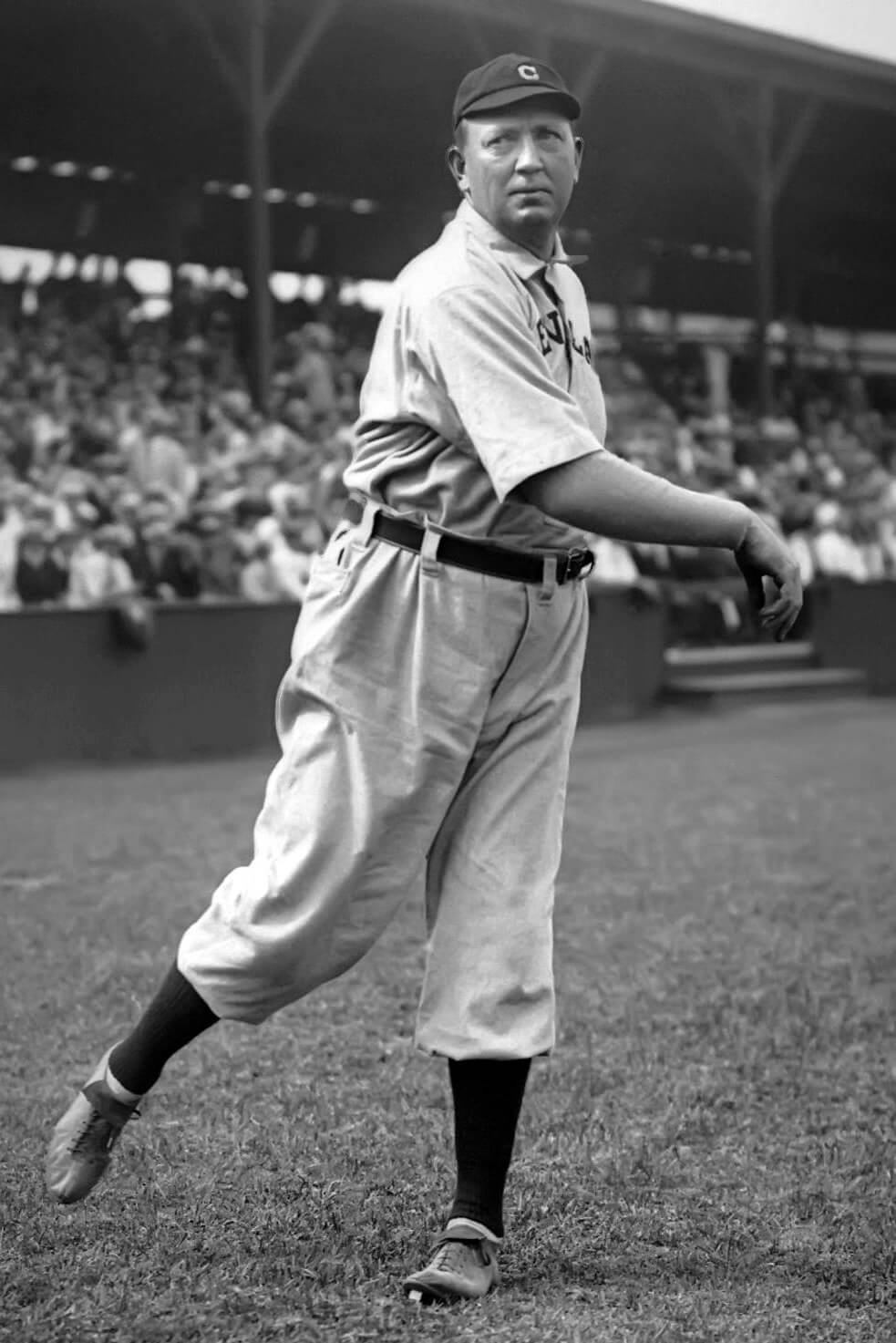
Cy Young
Inducted:
1937
Player Stats
6-2, 210lb (188cm, 95kg)
Born:
March 29, 1867
Gilmore, Ohio, U.S.
Died:
November 4, 1955
Newcomerstown, Ohio, U.S.
Position:
Pitcher
Cy Young stands as one of the most iconic figures in baseball history. Over a 22-season career (1890–1911), Young dominated the mound with incredible durability, control, and consistency. He pitched for teams like the Cleveland Spiders, St. Louis Perfectos, Boston Americans (now Red Sox), and the Cleveland Naps. Young set records that still stand over a century later, including most career wins—a staggering 511.
Young’s impact extended beyond the stat sheet. He was the winning pitcher in the first-ever World Series game in 1903 and threw the first perfect game under modern rules in 1904. Revered for his sportsmanship and endurance, Young became the gold standard for pitchers, which is why MLB named its top pitching award—the Cy Young Award—in his honor.
He was elected to the Baseball Hall of Fame in 1937, among the first class of inductees.
Young's Awards and Honors
- World Series champion (1903)
- Triple Crown (1901)
- 5× Wins leader (1892, 1895, 1901–1903)
- 2× ERA leader (1892, 1901)
- 2× Strikeout leader (1896, 1901)
- Pitched a perfect game on May 5, 1904
- Pitched three no-hitters (1897, 1904, 1908)
- Boston Red Sox Hall of Fame
- Cleveland Guardians Hall of Fame
- Major League Baseball All-Century Team
MLB Records
- 511 career wins
- 7,356 career innings pitched
- 815 career games started
- 749 career complete games
- 251⁄3 consecutive hitless innings pitched
MLB Teams
Cleveland Spiders (1890–1898)
St. Louis Perfectos / Cardinals (1899–1900)
Boston Americans / Red Sox (1901–1908)
Cleveland Naps (1909–1911)
Boston Rustlers (1911)
MLB Stats
Seasons Played:
22 (1890–1911)
Games Played:
906
Games Started:
815
Complete Games:
749
Shutouts:
76
Wins:
511
Losses:
315
Earned Run Average (ERA):
2.63
Strikeouts:
2,803
Walks:
1,217
Innings Pitched:
7,356
WHIP (Walks + Hits per Inning Pitched):
~1.13
Dan Brouthers
Inducted:
1945

Player Stats
6-2, 207lb (188cm, 93kg)
Born:
May 8, 1858
Sylvan Lake, New York, U.S.
Died:
August 2, 1932
East Orange, New Jersey, U.S.
Position:
First baseman
College:
NA
Dan Brouthers was one of the most dominant hitters of baseball’s early years. Playing from 1879 to 1904, Brouthers established himself as a consistent power hitter during the Dead-Ball Era.
Standing over 6 feet tall, he used his size and strength to lead the league in batting average five times and capture multiple home run titles — a rare feat in his day.
Known for his sharp eye at the plate, he was often among league leaders in both batting average and on-base percentage.
Brouthers was elected to the Baseball Hall of Fame in 1945 for his outstanding contributions to the game and remains one of the best hitters of the 19th century.
Brouthers' Awards and Honors
- 5× National League Batting Champion (1882, 1883, 1886, 1887, 1891)
- 2× National League Home Run Leader (1882, 1883)
- 2× NL RBI leader (1883, 1892)
- Lifetime batting average of .342 ranks among the highest in MLB history
- Hall of Fame Inductee (1945, by the Veterans Committee)
- Helped popularize the power-hitting style during baseball’s early development
- Consistently ranked among league leaders in hits, runs, and total bases during his prime
MLB Teams
Troy Trojans (1879–1880)
Buffalo Bisons (1881–1885)
Detroit Wolverines (1886–1888)
Boston Beaneaters (1889)
Boston Reds (1890–1891)
Brooklyn Grooms (1892–1893)
Baltimore Orioles (1894–1895)
Louisville Colonels (1895)
Philadelphia Phillies (1896)
New York Giants (1904)
MLB Stats
Games Played
1,676
Career Batting Average:
.342
Home Runs:
106
Runs Batted In (RBI):
1,296
Runs Scored:
1,529
Hits:
2,296
At Bats
6,726
On-Base Percentage (OBP):
.423
Slugging Percentage:
.519
Stolen Bases:
257
Dave Bancroft
Inducted:
1971

Player Stats
5-9, 160lb (175cm, 72kg)
Born:
April 20, 1891
Sioux City, Iowa, U.S.
Died:
October 9, 1972
Superior, Wisconsin, U.S.
Position:
Shortstop
Manager
College:
NA
David James “Beauty” Bancroft (April 20, 1891 – October 9, 1972) was a brilliant shortstop whose sharp defensive instincts and steady bat made him one of the most respected players of his era. Over 16 seasons in the majors from 1915 to 1930, he combined sure hands, quick reflexes, and exceptional range to anchor infields for championship teams. Bancroft helped lead his clubs to multiple pennants and was a key contributor to back-to-back World Series titles in 1921 and 1922.
Known for his durability, he set the single-season record for most chances handled by a shortstop with 984 in 1922, a mark that still stands. A switch-hitter with a .279 career average and over 2,000 hits, he also brought leadership and intensity to every game. After his playing days, he remained active in baseball as a manager. In 1971, his outstanding contributions to the sport earned him a place in the National Baseball Hall of Fame.
Bancroft's Awards and Honors
- 2× World Series champion (1921, 1922)
- Led NL in putouts 4 times, assists 3 times, and fielding percentage once
- Collected 2,004 career hits as a primarily defensive-focused player
- Played in over 1,800 career games, starting at shortstop for 15 seasons
MLB Records
- Most chances handled by a shortstop in a single season — 984 (1922)
- One of only a few shortstops to handle 900+ chances in multiple seasons
- Recognized for combining switch-hitting ability with exceptional fielding skills
MLB Teams
As player
Philadelphia Phillies (1915–1920)
New York Giants (1920–1923)
Boston Braves (1924–1927)
Brooklyn Robins (1928–1929)
New York Giants (1930)
As manager
Boston Braves (1924–1927)
MLB Stats
Seasons:
16 (1915–1930)
Batting Average:
.279
Hits:
2,004
Home Runs:
32
Runs Batted In:
591
Runs Scored:
1,048
Stolen Bases:
145
On-Base Percentage:
.355
OPS:
.714
Managerial record:
249–363
Winning (%):
.406
Dave Parker
Inducted:
2025

Player Stats
6-5, 230 lb
196 cm, 104 kg
Born
June 9, 1951
Grenada, Mississippi, U.S.
Died
June 28, 2025
Cincinnati, Ohio, U.S.
Position:
Right Fielder
College:
Courter Tech HS
Dave Parker was a powerful left-handed hitting right fielder who played 19 seasons in Major League Baseball. He spent his first 11 seasons with the Pittsburgh Pirates, where he won back-to-back National League batting titles in 1977 and 1978 and was named NL MVP in 1978. Parker was a seven-time All-Star, three-time Gold Glove Award winner and three-time Silver Slugger Award winner.
He helped the Pirates win the 1979 World Series and later won another World Series with the Oakland Athletics in 1989. Parker finished his career with 2,712 hits,339 home runs and 1,493 RBI. He was elected to the National Baseball Hall of Fame as a member of the Class of 2025 by the Classic Baseball Era Committee.
Parker's Awards and Honors
- Won back-to-back NL batting titles in 1977 and 1978
- Won the inaugural 1985 Home Run Derby
- Helped Pittsburgh win the 1979 World Series and Oakland win the 1989 World Series
- One of only five players to finish with at least 2,700 hits, 500 doubles, 300 home runs and 150 stolen bases
MLB Records
- 7× All-Star (1977, 1979–1981, 1985, 1986, 1990)
- 2× World Series champion (1979, 1989)
- NL MVP (1978)
- 3× Gold Glove Award (1977–1979)
- 3× Silver Slugger Award (1985, 1986, 1990)
- 2× NL batting champion (1977, 1978)
- NL RBI leader (1985)
MLB Teams
Pittsburgh Pirates (1973–1983)
Cincinnati Reds (1984–1987)
Oakland Athletics (1988–1989)
Milwaukee Brewers (1990)
California Angels (1991)
Toronto Blue Jays (1991)
MLB Draft
1970, 14th round
Pittsburgh Pirates
Number Worn
39
MLB Stats
Seasons:
19 (1973–1991)
Games:
2,466
At Bats:
9,358
Hits:
2,712
Runs:
1,272
Doubles:
526
Triples:
75
Home Runs:
339
RBI:
1,493
Stolen Bases:
154
Batting Average:
.290
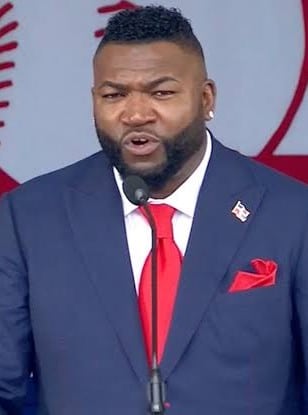
David Ortiz
Inducted:
2022
Player Stats
6-3, 230 lb
190 cm, 104 kg
Born
November 18, 1975
Santo Domingo, Dominican Republic
Position:
Designated Hitter
College:
Estudia Espillat
David Ortiz, known as “Big Papi,” was one of baseball’s most feared designated hitters and a central figure in the Boston Red Sox’s championship era. After beginning his career with the Minnesota Twins, Ortiz joined Boston in 2003 and quickly became one of the game’s most productive power hitters.
Over 20 MLB seasons, he collected 2,472 hits, 541 home runs, 632 doubles and 1,768 RBI while batting .286. He was a 10-time All-Star, seven-time Silver Slugger and eight-time Edgar Martinez Award winner. Ortiz helped the Red Sox win World Series titles in 2004, 2007 and 2013, earning ALCS MVP honors in 2004 and World Series MVP honors in 2013.
He retired in 2016 after a remarkable final season. Ortiz was elected to the National Baseball Hall of Fame in 2022.
Fowler's Awards and Honors
- 10× All-Star (2004–2008, 2010–2013, 2016)
- 3× World Series champion (2004, 2007, 2013)
- World Series MVP (2013)
- ALCS MVP (2004)
- 7× Silver Slugger Award (2004–2007, 2011, 2013, 2016)
- 2× AL Hank Aaron Award (2005, 2016)
- AL home run leader (2006)
- 3× AL RBI leader (2005, 2006, 2016)
MLB Records
- Most career regular-season walk-off hits: 20
- MLB-best World Series batting average: .455
- MLB-best World Series on-base percentage: .576
- MLB-best World Series OPS: 1.372
- Most career home runs by a designated hitter: 485.
MLB Teams
Minnesota Twins (1997–2002)
Boston Red Sox (2003–2016)
Number Worn
34
MLB Stats
Seasons:
20 (1997–2016)
Games:
2,408
At Bats:
8,640
Hits:
2,472
Runs:
1,419
Doubles:
632
Triples:
19
Home Runs:
541
RBI:
1,768
Stolen Bases:
17
Batting Average:
.286
On-Base Percentage:
.380
Slugging Percentage:
.552
OPS:
.931
Dazzy Vance
Inducted:
1955

Player Stats
6-2, 200lb (188cm, 90kg)
Born:
March 4, 1891
Orient, Iowa, U.S.
Died:
February 16, 1961
Homosassa Springs, Florida, U.S.
Position:
Catcher
College:
NA
Dazzy Vance was the premier strikeout pitcher of the 1920s and one of baseball’s most dominant arms during his prime. After years of bouncing around the minors, Vance didn’t become a full-time big leaguer until age 31 — but once he did, he dominated. Pitching mostly for the Brooklyn Robins (later Dodgers), he led the National League in strikeouts for seven straight seasons (1922–1928).
In 1924, he won the NL MVP Award with 28 wins, 2.16 ERA, and 262 strikeouts — the only pitcher in the league to top 200 that year. Vance baffled hitters with his overpowering fastball and deceptive delivery, averaging over 200 strikeouts a season at a time when few pitchers reached even half that.
He finished his career with 197 wins, over 2,000 strikeouts, and a well-earned place among the game’s legends. Vance was inducted into the Hall of Fame in 1955.
D.Vance's Awards and Honors
- World Series champion (1934)
- NL MVP (1924)
- Triple Crown (1924)
- 2× MLB wins leader (1924, 1925)
- 3× NL ERA leader (1924, 1928, 1930)
- 7× NL strikeout leader (1922–1928)
- Pitched a no-hitter on September 13, 1925
MLB Records
- Led the National League in strikeouts for 7 consecutive seasons
- Only pitcher in the 1920s to have multiple 200+ strikeout seasons
- First National League pitcher to strike out 200+ batters in 3 or more seasons
- Won the NL pitching Triple Crown in 1924
- Only Hall of Fame pitcher to debut after age 30 and record 2,000+ strikeouts
MLB Teams
As player
Pittsburgh Pirates (1915)
New York Yankees (1915, 1918)
Brooklyn Robins / Dodgers (1922–1932)
St. Louis Cardinals (1933)
Cincinnati Reds (1934)
St. Louis Cardinals (1934)
Brooklyn Dodgers (1935)
MLB Stats
Seasons:
16 (1915, 1918, 1922–1935)
Games Pitched:
442
Games Started:
349
Win–Loss Record:
197–140
ERA:
3.24
Strikeouts:
2,045
Innings Pitched:
2,966
Complete Games:
204
Shutouts:
33
WHIP:
1.30
Derek Jeter
Inducted:
2020

Player Stats
6 ft 3in, 195 lb
190cm, 88kg
Born
June 26, 1974,
Pequannock, New Jersey, U.S.
Position:
Shortstop
College:
Central HS
Derek Jeter was an American professional baseball shortstop who spent his entire 20-year MLB career with the New York Yankees from 1995 to 2014. Known as “The Captain,” he became one of the most accomplished players in Yankees history, helping the club win five World Series championships. Jeter was a 14-time All-Star, five-time Gold Glove Award winner and five-time Silver Slugger Award winner. He was the American League Rookie of the Year in 1996 and the 2000 World Series Most Valuable Player.
Jeter finished his career with 2,747 games, 11,195 at-bats, 3,465 hits, 1,923 runs, 544 doubles, 66 triples, 260 home runs, 1,311 RBI and 358 stolen bases, along with a .310 batting average and .817 OPS. He recorded 200 hits in eight seasons and became the 28th player to reach 3,000 career hits. Jeter was elected to the Baseball Hall of Fame in 2020.
Jeter's Awards and Honors
- 14× All-Star (1998–2002, 2004, 2006–2012, 2014)
- 5× World Series champion (1996, 1998–2000, 2009)
- World Series MVP (2000)
- AL Rookie of the Year (1996)
- 5× Gold Glove Award (2004–2006, 2009, 2010)
- 5× Silver Slugger Award (2006–2009, 2012)
- 2× AL Hank Aaron Award (2006, 2009)
MLB Records
- One of only two players to record 200 postseason hits and five World Series championships
- Second all-time among right-handed hitters (3,465)
- First Yankee to reach 3,000 hits in 2011
MLB Teams
New York Yankees (1995–2014)
MLB Draft
1992, 1st round (6th overall)
New York Yankees
Number Worn
2
MLB Stats
Seasons:
20
Games:
2,747
At Bats:
11,195
Hits:
3,465
Runs:
1,923
Doubles:
544
Triples:
66
Home Runs:
260
RBI:
1,311
Stolen Bases:
358
Batting Average:
.310
On-Base Percentage:
.377
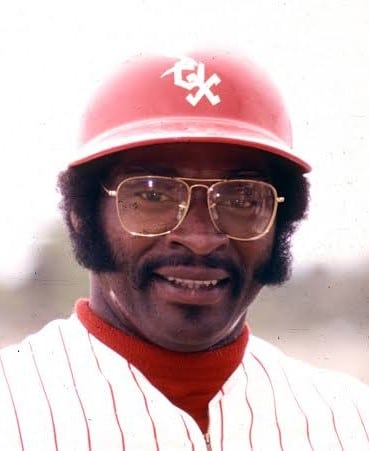
Dick Allen
Inducted:
2025
Player Stats
5-11, 187 lb (180 cm, 84 kg)
Born
March 8, 1942
Wampum, Pennsylvania, U.S.
Died
December 7, 2020
Wampum, Pennsylvania, U.S.
Position:
First Baseman
Third Baseman
College:
Wampum HS
Dick Allen was a powerful right-handed hitter who spent 15 seasons in Major League Baseball. He made his MLB debut with the Philadelphia Phillies in 1963 and won the National League Rookie of the Year Award in 1964 after leading the league in runs, triples and total bases. In 1972, he won the American League MVP Award with the Chicago White Sox after leading the league in home runs, RBI and OPS.
He finished his career with 1,848 hits, 351 home runs, 1,119 RBI and a .292 batting average. Allen was selected to seven All-Star Games and led his league in slugging percentage three times and on-base percentage twice. He was elected to the National Baseball Hall of Fame as a member of the Class of 2025 by the Classic Baseball Era Committee.
Allen's Awards and Honors
- 7× All-Star (1965–1967, 1970, 1972–1974)
- American League MVP (1972)
- NL Rookie of the Year (1964)
- 1964 NL rookie season (201 hits, 125 runs and 352 total bases)
- 2× AL home run leader (1972, 1974)
MLB Records
- AL RBI leader (1972)
- Led the AL with 37 home runs and 113 RBI in 1972, winning MVP
- Became the first Phillies player to win the NL Rookie of the Year Award
MLB Teams
Philadelphia Phillies (1963–1969, 1975–1976)
St. Louis Cardinals (1970)
Los Angeles Dodgers (1971)
Chicago White Sox (1972–1974)
Oakland Athletics (1977)
Number Worn
15, 32, 60
MLB Stats
Seasons:
15 (1963–1977)
Games:
1,749
At Bats:
6,332
Hits:
1,848
Runs:
1,099
Doubles:
320
Triples:
79
Home Runs:
351
RBI:
1,119
Stolen Bases:
133
Batting Average:
.292
Dizzy Dean
Inducted:
1953

Player Stats
Born:
January 16, 1910
Lucas, Arkansas, U.S.
Died:
July 17, 1974
Reno, Nevada, U.S.
Position:
Pitcher
College:
NA
Dizzy Dean was a larger-than-life pitcher who dominated baseball in the 1930s with both talent and personality. The ace of the St. Louis Cardinals’ “Gashouse Gang,” Dean won 30 games in 1934—still the last National League pitcher to reach that mark.
That same year, he led the Cardinals to a World Series title and earned NL MVP honors. From 1932 to 1936, Dean was nearly untouchable, leading the league in strikeouts four straight seasons. His career was shortened by a toe injury that altered his mechanics, but he still posted 150 wins in just eight full seasons.
Off the field, his Southern charm and wit made him a beloved broadcaster. Elected to the Hall of Fame in 1953, Dean remains a symbol of flair, dominance, and enduring popularity in baseball lore.
Dean's Awards and Honors
- 4× All-Star (1934–1937)
- World Series champion (1934)
- NL MVP (1934)
- 2× MLB wins leader (1934, 1935)
- 4× MLB strikeout leader (1932–1935)
- Louis Cardinals No. 17 retired
- Louis Cardinals Hall of Fame
MLB Records
- Last NL pitcher to win 30 games in a season: 30–7 record in 1934
- Modern-era single-game strikeout record: 17 in 1933
- 4× seasons with 20+ wins, including 30-win season
- Led NL in complete games (4×), games played (2×), innings pitched (3×)
- Pitched record six complete games within 14 days in 1934 stretch
- Last remaining 30-game winner in NL history
MLB Teams
St. Louis Cardinals (1930, 1932–1937)
Chicago Cubs (1938–1941)
St. Louis Browns (1947)
Number worn
17
MLB Stats
Seasons:
12 (1930–1947)
Win–Loss Record:
150–83
ERA:
3.02
Strikeouts:
1,163
Games Pitched:
317
Games Started:
230
Complete Games:
154
Shutouts:
26
Innings Pitched:
1,967.1
Earl Averill
Inducted:
1975

Player Stats
5-9, 172lb (175cm, 78kg)
Born:
May 21, 1902
Snohomish, Washington, U.S.
Died:
August 16, 1983
Everett, Washington, U.S.
Position:
Center fielder
College:
NA
Earl Averill, born August 21, 1902, in Snohomish, Washington, was one of the premier center fielders of his era. Playing primarily for the Cleveland Indians from 1929 to 1941, Averill combined power, consistency, and defensive excellence in one complete package. A seven-time All-Star, he hit .318 over his 16-year career and amassed 2,019 hits, 238 home runs, and 1,224 RBIs.
Averill led the American League in triples twice and was known for his strong throwing arm and reliable fielding in center field. He played a key role in the Indians’ success during the 1930s, helping them compete at a high level in the league. Renowned for his professionalism, leadership, and clutch hitting, Averill earned the respect of teammates, opponents, and fans alike.
His remarkable career and impact on the game were recognized with induction into the National Baseball Hall of Fame in 1975.
Averill's Awards and Honors
- 7× All-Star (1933–1939)
- American League triples leader: 2 times
- 2× AL leader in total bases
- Cleveland Indians Hall of Fame
MLB Records
- Averill hit .318 over his 16-year career
- Integral to the Indians’ competitive teams of the 1930s
- Amassed over 2,000 hits and 1,200 RBIs while playing primarily for one team
- Recognized for exceptional center field defense and a strong throwing arm
MLB Teams
Cleveland Indians (1929–1939)
Detroit Tigers (1939–1940)
Boston Braves (1941)
Number Worn:
3
MLB Stats
MLB Career:
1929–1941, 1943
Batting Average:
.318
Hits:
2,019
Home Runs:
238
Runs Batted In (RBI):
1,164
Runs Scored:
1,154
Triples:
136
All-Star Selections:
7
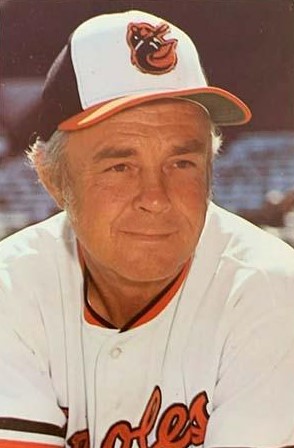
Earl Weaver
Inducted:
1996
Coach Stats
Born:
August 14, 1930
St. Louis, Missouri
Position:
Coach
Weaver's Awards and Honors
- World Series champion (1970)
- Baltimore Orioles No. 4 retired
- Baltimore Orioles Hall of Fame
MLB Teams
Baltimore Orioles (1968–1982, 1985–1986)
MLB Stats
Seasons:
17
Games Managed:
2,540
Managerial Record:
1,480–1,060
Winning %:
.583
World Series Appearances:
4
Earle Combs
Inducted:
1970

Player Stats
6-0, 185lb (183cm, 83kg)
Born:
May 14, 1899
Pebworth, Kentucky, U.S.
Died:
July 21, 1976
Richmond, Kentucky, U.S.
Position:
Center fielder
College:
Eastern Kentucky University
Earle Combs was the steady leadoff hitter and center fielder for the legendary New York Yankees teams of the 1920s and early 1930s. Known for his speed, line-drive hitting, and defensive range, Combs set the table for the powerhouse “Murderers’ Row” lineup. Debuting in 1924, he became a fixture at the top of the order, posting a career batting average of .325 and recording four seasons with over 200 hits.
Combs led the American League in triples three times and runs scored once, while helping the Yankees capture three World Series championships. His consistency and ability to reach base made him a key contributor during one of baseball’s most dominant eras. A six-time .300 hitter, Combs’ career was cut short by injury in 1935, but his impact on the game was lasting. He was elected to the Baseball Hall of Fame in 1970.
Combs' Awards and Honors
- 3× World Series Champion (1927, 1928, 1932)
- Led AL in triples three times (1927, 1928, 1930)
- Led AL in runs scored (1931)
- Four seasons with 200+ hits
- Career .356 postseason batting average
MLB Records
- Recorded 231 hits in 1927, still among the highest single-season totals in Yankees history
- Member of the 1927 Yankees, considered one of the greatest teams in MLB history
- Four seasons with 200+ hits, all while serving as leadoff hitter
- Scored 100 or more runs in eight consecutive seasons (1925–1932)
MLB Teams
New York Yankees (1924–1935)
Number Worn:
1
MLB Stats
Seasons:
1924–1935
Games Played:
1,455
Batting Average:
.325
Hits:
1,866
Home Runs:
58
RBIs:
633
Runs:
1,186
Doubles:
309
Triples:
154
Stolen Bases:
98
On-Base Percentage:
.397
Slugging Percentage:
.462
OPS:
.859
World Series Titles:
3 (1927, 1928, 1932)
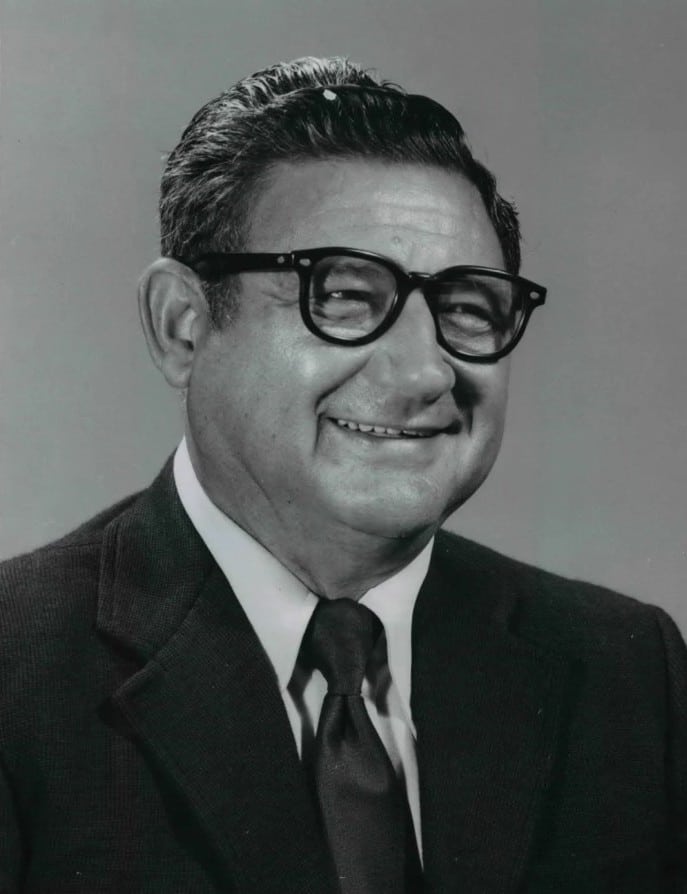
Early Wynn
Inducted:
1972
Player Stats
6-0, 190lb (183cm, 86kg)
Born:
January 6, 1920
Hartford, Alabama, U.S.
Died:
April 4, 1999
Venice, Florida, U.S.
Position:
Pitcher
College:
N/A
Early Wynn was a fierce and durable right-handed pitcher, renowned for his competitiveness and longevity in Major League Baseball. Playing 23 seasons from 1939 to 1963, primarily with the Washington Senators, Cleveland Indians, and Chicago White Sox, Wynn combined a blazing fastball with a devastating curve to dominate hitters. A workhorse of the rotation, he pitched over 300 innings in multiple seasons and recorded 300 career wins, a milestone achieved by few pitchers.
Wynn was an eight-time All-Star and won the American League Cy Young Award in 1959, helping the White Sox capture the pennant that year. Known for his fierce competitiveness and never backing down from a challenge, he became a symbol of resilience and dedication on the mound. Inducted into the Baseball Hall of Fame in 1972, Wynn’s career left a lasting mark on the game, earning him recognition as one of baseball’s all-time great pitchers.
Wynn's Awards and Honors
- 9× All-Star (1947, 1955–1960²)
- Cy Young Award (1959)
- 2× MLB wins leader (1954, 1959)
- AL ERA leader (1950)
- 2× AL strikeout leader (1957, 1958)
- Cleveland Guardians Hall of Fame
- Washington Nationals Ring of Honor
MLB Records
- Known for pitching longevity and durability across 23 seasons
- Key figure in White Sox pennant-winning rotation
- Pitched over 300 innings multiple seasons
- Remembered for fierce competitiveness and work ethic on the mound
MLB Teams
Washington Senators (1939, 1941–1944, 1946–1948)
Cleveland Indians (1949–1957)
Chicago White Sox (1958–1962)
Cleveland Indians (1963)
MLB Stats
Seasons:
23 (1939–1963)
Wins:
300
Losses:
244
ERA:
3.54
Strikeouts:
2,334
Complete Games:
320
Shutouts:
49
Ed Barrow
Inducted:
1953

Manager Stats
Born:
May 10, 1868
Springfield, Illinois, U.S.
Died:
December 15, 1953
Port Chester, New York, U.S.
Position:
Manager
Executive
College:
NA
Ed Barrow (1868–1953) was the architect behind the Yankees’ transformation into baseball’s first dynasty. Beginning in minor‑league management, he went on to lead the Boston Red Sox to the 1918 World Series as manager.
In 1920, he joined the Yankees as general manager and later became president. Over his 25-year tenure, New York claimed 14 American League pennants and 10 World Series titles, including five sweeps. He pioneered major changes: uniform numbers (1929), permanent retirement of Lou Gehrig’s #4 (1939), allowing fans to keep foul balls, and implementing the national anthem before every game.
A master at talent acquisition and farm system development—signing Honus Wagner early and recruiting Joe DiMaggio—Barrow built a roster of legends like Ruth, Gehrig, and DiMaggio. Elected to the Hall of Fame in 1953, his legacy lives on in Monument Park, marking his lasting impact on baseball culture and strategy.
Barrow's Awards and Honors
- 11× World Series champion (1918, 1923, 1927, 1928, 1932, 1936–1939, 1941, 1943)
- Monument Park honoree
- Pro Baseball Hall of Fame, Class of 1953
- 1× World Series champion as manager (1918 Red Sox)
- 14 AL pennants, 10 World Series titles as executive
- Sporting News MLB Executive of the Year (1937, 1941)
MLB Teams
As manager
Detroit Tigers (1903–1904)
Boston Red Sox (1918–1920)
As executive
New York Yankees (1920–1945)
MLB Stats
Managerial record
Game:
639
Win:
310
Lose:
320
Win(%):
.492
As General Manager / President:
14 AL pennants, 10 World Series titles
"Every Inning is History. Every Fan is a Legacy"
From the crack of the bat to the final out, celebrate the heritage of the game. Whether you're chasing Cooperstown legends of today’s stars, find your official colors and wear the history of the diamond.
Shop the Official MLB Collection









MLB Hall of Fame
The MLB Hall of Fame is a revered institution dedicated to honoring the greatest contributions to baseball. Located in Cooperstown, New York, it serves as a shrine to the game's rich history and the legendary players who have left an indelible mark on the field. Each year, the Hall of Fame holds an induction ceremony that celebrates the newest members of its prestigious ranks, commonly referred to as the Hall of Fame class.
These ceremonies are significant events in the baseball calendar, drawing fans, players, and media worldwide to witness the acknowledgment of baseball's finest. The inductees are celebrated for their remarkable career achievements, which include outstanding statistics, memorable performances, and contributions that have shaped the game. The Hall recognizes players, managers, umpires, and contributors who have significantly impacted the sport.
Among the many iconic moments celebrated within the Hall are record-breaking home runs, historic games, and unforgettable plays that have become a part of baseball lore. Each inductee's journey to the Hall is a testament to their skill, perseverance, and dedication to the sport. The Hall of Fame also outlines the eligibility criteria, ensuring a fair and transparent selection process.
Visitors to the Hall can explore exhibits featuring historical contributions from various eras of baseball, showcasing memorabilia, photographs, and artifacts that tell the game's story. From famous inductees like Babe Ruth and Jackie Robinson to the more recent stars, the Hall preserves the legacy of these athletes, allowing future generations to appreciate their greatness.
In addition to the exhibits, the Hall of Fame hosts numerous events throughout the year, including educational programs and community outreach initiatives, to foster a love for baseball among young fans. The memorable speeches during induction ceremonies often reflect on the inductees' journeys, the challenges they faced, and their impact on their teams and the sport.
Ultimately, the MLB Hall of Fame celebrates excellence in baseball, a place where the past is remembered and the future is inspired. It is a vital part of baseball culture, ensuring that the stories of its greatest players are never forgotten and continue to resonate with fans worldwide.