

Search by the First Name of the HOFers
Marianne Stanley
Inducted:
2022

Coach Stats
Born:
April 29, 1954
Yeadon, Pennsylvania, U.S.
Position:
Coach
College:
Immaculata (1972–1976)
Marianne Stanley is a trailblazing force in women’s basketball, celebrated for both her standout playing days and distinguished coaching career.
As a guard at Immaculata College in the early 1970s, Stanley helped lead the team to three consecutive AIAW national championships (1972–1974), playing a key role during the rise of women's collegiate basketball.
Transitioning to coaching, Stanley became one of the sport’s most respected leaders, compiling over four decades of coaching experience at both the collegiate and professional levels.
She led Old Dominion University to an AIAW national title in 1985 and later served as head coach in the WNBA for teams including the Washington Mystics and Indiana Fever.
Stanley’s legacy is one of leadership, resilience, and a lifelong dedication to elevating women’s basketball. She earned WNBA Coach of the Year honors in 2002 and was inducted into the Women's Basketball Hall of Fame in 2002 and the Naismith Memorial Basketball Hall of Fame in 2022.
Stanley's Awards and Honors
- 2× AIAW champion (1979, 1980)
- NCAA Division I tournament (1985)
- 2x Kodak All-American (1975, 1976)
- 2× NCAA Regional—Final Four (1983, 1985)
- WNBA Coach of the Year (2002)
- Women’s Basketball Hall of Fame Inductee (2002)
- Naismith Memorial Basketball Hall of Fame Inductee (2022)
- WNBA Coach of the Year (2002)
- NCAA National Champion Coach (1985)
- AIAW National Champion as Player (1972, 1973, 1974)
- Member of Immaculata’s famed “Mighty Macs” teams
- Known for mentoring future stars and pioneering equality in women’s sports
WNBA Teams
Los Angeles Sparks (assistant) 2000
Washington Mystics (assistant) 2001
Washington Mystics 2002–2003
New York Liberty (assistant) 2004–2006
Rutgers (assistant) 2006–2008
Los Angeles Sparks (assistant) 2008–2009
Washington Mystics (assistant) 2010–2019
Indiana Fever 2020–2022
NCAA/WNBA Stats
College Coaching Record
Old Dominion University (1977–1987)
Record: 269–59
Won the 1985 NCAA National Championship
Multiple Final Four appearances
University of Pennsylvania (1987–1989)
Record: 7–43
University of Southern California (1989–1993)
Record: 77–39
California (Head Coach, 1995–1996)
Record: 7–20
Total College Head Coaching Record:
360–161
WNBA Coaching Record (Head Coach)
Washington Mystics (2002–2003)
Record: 30–38
Led team to Eastern Conference Finals (2002)
Indiana Fever (2020–2022)
Record: 14–49
Total WNBA Head Coaching Record:
44–87
Marques Haynes
Inducted:
1998

Player Stats
Born
March 10, 1926
Sand Springs, Oklahoma, U.S.
Died
May 22, 2015
Plano, Texas, U.S.
Position
Point guard
College
Langston (1942–1946)
Marques Oriole Haynes is widely celebrated as the "World’s Greatest Dribbler" and a paramount figure in basketball history. Haynes was a superstar for the Harlem Globetrotters, famously leading them to two historic upset victories over the Minneapolis Lakers (led by George Mikan) in 1948 and 1949. Known for a handle that seemed to defy physics, Haynes could dribble the ball as many as 348 times per minute and keep it alive just one inch off the hardwood.
Despite receiving a massive contract offer from the Philadelphia Warriors in 1953 that would have made him the second-highest-paid player in the NBA, he chose to maintain his independence, founding the Harlem Magicians. He was inducted into the Hall of Fame in 1998, becoming the first Globetrotter ever to be enshrined.
Haynes' Awards and Honors
- First player inducted as a Harlem Globetrotter
- Harlem Globetrotters "Legends" Ring (2001)
- 4x All-Conference (Langston University)
- Oklahoma Hall of Fame (2011)
- Jim Thorpe Hall of Fame (1993)
- NAIA Hall of Fame (1985)
Teams
Harlem Globetrotters (1946–1972)
Stats
Professional Games:
12,000+
Career Length:
46 Years (1946–1992)
College Record:
112–3
Countries visited:
100+
Countries Played In:
97+
Marv Harshman
Inducted:
1985

Coach Stats
Born
October 4, 1917
Eau Claire, Wisconsin, U.S.
Died
April 12, 2013
Tacoma, Washington, U.S.
Position
Coach
College
Washington State University
Marv Harshman was a titan of Pacific Northwest basketball, a man whose integrity and tactical brilliance earned him the nickname "The Gray Fox." Harshman’s legendary 40-year career was spent entirely in the collegiate ranks within the state of Washington. He is one of the few coaches to have successfully led three different programs—Pacific Lutheran, Washington State, and the University of Washington—to national prominence. He was the last coach to defeat John Wooden's UCLA dynasty before Wooden's retirement in 1975. For his over 600 career victories and his profound impact as a mentor to future NBA stars like Detlef Schrempf and James Edwards, he was inducted into the Basketball Hall of Fame in 1985.
Harshman's Awards and Honors
- 4 Evergreen (1955–1958)
- 2 Pac-10 regular season (1984, 1985)
- NCAA Division I Coach of the Year (1984)
- 7× NAIA District I Coach of the Year
- Pan American Games Gold Medalist (Head Coach, 1975)
- National Collegiate Basketball Hall of Fame (2006)
NCAA Teams
Washington (1971–1985)
NCAA Stats
Wins:
637
Total Losses:
444
Win(%):
.589
NCAA Tournament Appearances:
3
NIT Appearances:
2
NAIA Tournament Appearances:
4
Maurice Cheeks
Inducted:
2018

Player Stats
6 ft 1 in (1.85 m)
180 lb (82 kg)
Born:
September 8, 1956
Chicago, Illinois, U.S.
Position:
Point guard
College:
West Texas A&M (1974–1978)
Maurice Cheeks was the steady hand and defensive heartbeat behind the success of the Philadelphia 76ers in the 1980s. A gifted floor general and one of the greatest defenders at the point guard position, Cheeks combined elite court vision with quiet leadership and relentless effort.
He helped lead the Sixers to the 1983 NBA Championship, often guarding the opposing team’s best perimeter scorer while directing one of the league’s most dynamic offenses. Known for his unselfish play, Cheeks retired with over 7,000 assists and 2,300 steals, ranking among the all-time leaders in both categories at the time. He was a 4× NBA All-Star and earned 5 All-Defensive Team selections.
After his playing career, Cheeks transitioned into coaching, further influencing the game. He was inducted into the Naismith Memorial Basketball Hall of Fame in 2018, celebrated for his defense, professionalism, and team-first legacy.
Cheeks' Awards and Honors
- NBA champion (1983)
- 4× NBA All-Star (1983, 1986–1988)
- 4× NBA All-Defensive First Team (1983–1986)
- NBA All-Defensive Second Team (1987)
- 10 retired by Philadelphia 76ers
- 2× First-team All-MVC (1976, 1978)
- Second-team All-MVC (1977)
NBA Records
- Played over 1,100 NBA games
- Retired as 5th all-time in career steals
- Still ranks 6th in all-time career steals
- Holds NBA rookie playoff record
- Ranks 2nd in NBA history in playoff steals per game
NBA Teams
Philadelphia 76ers 1978–1989
San Antonio Spurs 1989–1990
New York Knicks 1990–1991
Atlanta Hawks 1991–1992
New Jersey Nets 1993
NBA Draft:
1978: 2nd round, 36th overall pick
Philadelphia 76ers
Number Worn:
10, 1
NBA Stats
Seasons:
15 (1978–1993)
Games Played:
1,101
Points:
12,195
Points Per Game:
11.1
Assists:
7,392
Assists Per Game:
6.7
Steals:
2,310
Steals Per Game:
2.1
Rebounds:
2,445
FG Percentage:
52.3%
3P Percentage:
25.5%
FT Percentage:
79.1%
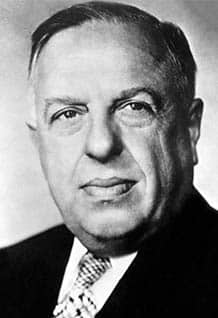
Maurice Podoloff
Inducted:
1974
Stats
Born
August 18, 1890
Died
November 24, 1985
Position
Contributor
College
Yale University
Maurice Podoloff was the administrative mastermind who laid the concrete foundation for modern professional basketball. A Yale-educated lawyer with no prior background in the sport, Podoloff brought essential corporate structure, financial stability, and organizational discipline to a chaotic early landscape.
In 1946, while simultaneously serving as the president of the American Hockey League (AHL), he was appointed the first president of the newly formed Basketball Association of America (BAA). His crowning achievement came in 1949 when he successfully negotiated the historic merger between the BAA and the rival National Basketball League (NBL), creating the National Basketball Association (NBA). Serving as the league's first commissioner until 1963, Podoloff navigated early financial crises, implemented game-saving innovations like the shot clock, and secured the NBA's first national television contract.
For his monumental role as the founding father of the NBA's executive branch, he was inducted into the Naismith Memorial Basketball Hall of Fame as a Contributor in 1974.
Podoloff's Notable Contributions
- First Commissioner/President of the NBA
- Instituted the 24-Second Shot Clock
- Secured the NBA's First National Television Contract
- Introduced the BAA/NBA Collegiate Draft
NBA Position
NBA President (1946–1963)
Career Stats
NBA Presidency Tenure:
1949–1963
Total regular-season games:
557
Maximize number of active franchises:
17
Divisions organized:
3
Dual Leadership:
AHL and BAA/NBA
Innovation implemented:
NBA's 24-second shot clock
Maurice Stokes
Inducted:
2004

Player Stats
6 ft 7 in (2.01 m)
232 lb (105 kg)
Born
June 17, 1933
Rankin, Pennsylvania, U.S.
Died
April 6, 1970
Cincinnati, Ohio, U.S.
Position
Power forward
Center
College
Saint Francis (PA) (1951–1955)
Maurice Stokes was one of the NBA’s most versatile and talented big men of the 1950s, redefining what a forward could do on the court. Playing his entire career with the Rochester/Cincinnati Royals, Stokes combined size, strength, and exceptional passing ability. He was a dominant rebounder, a reliable scorer, and one of the league’s first true point-forwards. Stokes quickly became a star, earning multiple All-Star selections and setting standards for all-around play.
His career was tragically cut short after a severe brain injury following the 1957–58 season, ending one of the most promising runs in NBA history. Despite a brief career, his impact on the game remained profound, influencing future generations of multi-skilled forwards. In recognition of his talent, innovation, and lasting legacy, Maurice Stokes was inducted into the Naismith Memorial Basketball Hall of Fame in 2004.
Stokes' Awards and Honors
- 12 retired by Sacramento Kings
- First-team All-American – Look (1955)
- Second-team All-American – NEA (1955)
- 26 retired by Saint Francis Red Flash
- NIT Most Valuable Player (1955)
NBA Records
- 3× NBA All-Star (1956–1958)
- 3× All-NBA Second Team (1956–1958)
- NBA Rookie of the Year (1956)
- NBA rebounding leader (1957)
NBA Team
Rochester / Cincinnati Royals (1955–1958)
NBA Draft
1955: 1st round, 2nd overall pick
Rochester Royals
Number Worn
12
NBA Stats
Seasons:
3 (1955–1958)
Games Played:
202
Points:
3,315
Rebounds:
3,492
Assists:
1,062
Field Goal %:
.351
Points Per Game:
16.4
Triple-Doubles:
12
All-Star Selections:
3 (Every year he played)
Rookie of the Year:
1956
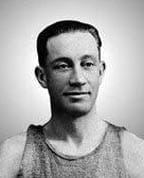
Max Friedman
Inducted:
1972
Player Stats
5 ft 10 in (1.78 m)
Born
July 12, 1889
New York City, New York, US
Died
January 1, 1986
Position
Defensive Guard
College
University Settlement House
Max “Marty” Friedman was one of the premier guards in professional basketball during the 1920s and 1930s. His legendary basketball career unfolded primarily between 1909 and 1927, decades before the modern league was established. A 5'7" defensive maestro, Friedman was widely regarded as the greatest defensive guard of basketball's early professional era. He famously teamed with fellow Hall of Famer Barney Sedran to form the acclaimed backcourt duo known as the "Heavenly Twins".
Friedman played in nearly every prominent East Coast league, starring for powerhouse squads like the New York Whirlwinds and the Cleveland Rosenblums. Beyond his domestic success, he was instrumental in expanding basketball internationally, organizing a massive 600-team military tournament in France following World War I. For his pioneering defensive play and his role in globalizing the sport, Friedman was inducted into the Naismith Memorial Basketball Hall of Fame as a player in 1972.
Friedman's Awards and Honor
- Considered to be one of the best defensive guards of his era
- Played in almost every league in the East
- Habitually leading his team to championships
- Organized the 600-team Inter-Allied Games basketball tournament in Paris (1919)
- Finished his career as a player-coach, successfully leading the Cleveland Rosenblums in the original American Basketball League (ABL)
NBA Teams
New York Whirlwinds
NBA Stats
Years Played:
17 years (1910–1927)
Position:
Defensive Guard
Team Coached:
Troy Haymakers
Referred as:
"The Heavenly Twins" (along with Barney Sedran)
Meadowlark Lemon
Inducted:
2003

Player Stats
Born
April 25, 1932
Wilmington, North Carolina, U.S.
Died
December 27, 2015
Scottsdale, Arizona, U.S.
Position
Contributor
College
NA
Meadowlark Lemon was one of basketball’s most recognizable and beloved figures, best known as the face of the Harlem Globetrotters for more than two decades. Combining elite ball-handling skill, sharp passing, and infectious charisma, Lemon helped turn basketball into global entertainment while still showcasing real talent and competitive ability. He played in over 16,000 games across more than 100 countries, introducing the sport to millions of fans worldwide.
Though famous for his humor and showmanship, Lemon was also a skilled athlete who could score, lead, and control the game when needed. His leadership and personality defined an era of basketball outreach and cultural impact that went far beyond traditional leagues. Lemon’s influence helped grow the game internationally and inspired generations of players and fans. His lasting contribution to basketball was recognized with induction into the Naismith Memorial Basketball Hall of Fame in 2003.
Lemon's Awards and Honors
- John W. Bunn Lifetime Achievement Award (2000)
- International Clown Hall of Fame (2000)
- 36 Retired by the Harlem Globetrotters
- Iconic leadership figure of the Harlem Globetrotters era
- Recognized for blending elite skill with entertainment
- Sports Legends Award (Ebony Magazine, 1997)
- North Carolina Sports Hall of Fame (1975)
Teams
Harlem Globetrotters (1954–1978, 1994)
Stats
Career length:
24 seasons
Games Played:
16,000+ (Estimated)
Countries Visited:
100+
Global Miles Traveled:
5 Million+
Lifetime Achievement:
John W. Bunn Award (2000)
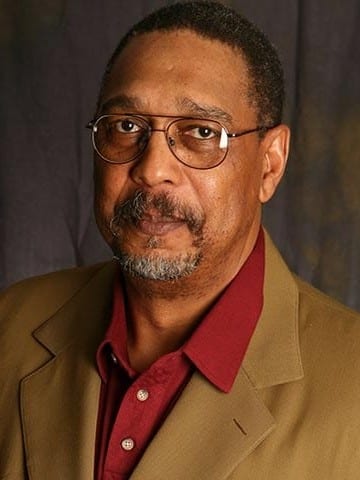
Mel Daniels
Inducted:
2012
Player Stats
6 ft 9 in (2.06 m)
220 lb (100 kg)
Born:
July 20, 1944
Detroit, Michigan, U.S.
Died:
October 30, 2015
Sheridan, Indiana, U.S.
Position:
Center
Coach
College:
Southeastern CC (1963–1964)
New Mexico (1964–1967)
Mel Daniels, born July 20, 1944, in Detroit, Michigan, was one of the greatest players in ABA history. A dominant center, Daniels played for the Minnesota Muskies, Indiana Pacers, and Memphis Sounds from 1967 to 1976, earning a reputation for toughness, rebounding, and consistent scoring. He was a two-time ABA Most Valuable Player (1969, 1971) and led the league in rebounding three times. As a cornerstone of the Pacers dynasty, Daniels helped guide the team to three ABA championships (1970, 1972, 1973).
Known for his relentless work ethic and leadership, he averaged 18.4 points and 14.9 rebounds over his career. After retiring as a player, Daniels contributed to the Pacers organization in coaching and front office roles, continuing to shape the franchise’s culture. His excellence on the court and lasting influence off it earned him induction into the Naismith Memorial Basketball Hall of Fame in 2012.
Daniels' Awards and Honors
- 3× ABA champion (1970, 1972, 1973)
- 2× ABA MVP (1969, 1971)
- 7× ABA All-Star (1968–1974)
- ABA All-Star Game MVP (1969)
- 4× All-ABA First Team (1968–1971)
- All-ABA Second Team (1973)
- ABA Rookie of the Year (1968)
- ABA All-Rookie First Team (1968)
ABA Records
- ABA career leader in total rebounds and rebounds per game
- Only player to win multiple MVPs and three titles with the Pacers
- Key leader in establishing Indiana’s ABA dominance
- Known for fierce interior presence and unmatched rebounding tenacity
ABA Teams
As a player:
Minnesota Muskies (1967–1968)
Indiana Pacers (1968–1974)
Memphis Sounds (1974–1975)
New York Nets (1976)
As a coach:
Indiana State (1977–1979)
Indiana Pacers (1984–1993,1988)
NBA Draft:
1967: 1st round, 9th overall
Cincinnati Royals
Number Worn:
34, 9
ABA Stats
Playing career:
1967–1976
Game Played:
639
Points:
11,778 (18.4 ppg)
Rebounds:
9,528 (14.9 rpg)
Assists:
1,140 (1.8 apg)
Field Goal %:
46.8%
FT(%):
65.7
Championships:
3 (1970, 1972, 1973)
ABA MVP Awards:
2 (1969, 1971)
Mendy Rudolph
Inducted:
2007

Referee Stats
Born
March 8, 1926
Philadelphia, Pennsylvania, U.S.
Died
July 4, 1979
New York City, U.S.
Position
NBA Referee
College:
NA
Marvin "Mendy" Rudolph was the face of NBA officiating during the league's first quarter-century. He was widely considered the premier official of his era. He followed in the footsteps of his father, Harry Rudolph, and entered the NBA in 1953 as its youngest official at age 25. Over the next 22 years, he became the first referee in history to officiate 2,000 games, setting a standard of excellence that contemporaries like Earl Strom viewed as the "gold standard" for the profession.
Rudolph wasn't just a floor official; he was a pioneer of the craft. As the league's Referee-in-Chief, he helped author the modern NBA Rule Book and Case Book, bringing structural consistency to how games were called. His ability to control high-pressure environments—including a record 22 consecutive NBA Finals—earned him the respect of the league's most volatile personalities, from Red Auerbach to Wilt Chamberlain. He was posthumously inducted into the Naismith Memorial Basketball Hall of Fame in 2007.
Rudolph's Awards and Honors
- International Jewish Sports Hall of Fame (1989)
- Pennsylvania Basketball Hall of Fame
- First Official to reach 2,000 career games
- Lead Author of the NBA Official’s Manual and Case Book
- Inducted into the Luzerne County Sports Hall of Fame
- Thirteenth referee to be inducted into the Hall of Fame
- Most recognizable official during the NBA's first four decades
NBA
NBA referee (1953–1975)
NBA Stats
Seasons as NBA Official:
22 (1953–1975)
Total Regular Season Games:
2,112
NBA Finals Appearances:
22 Consecutive
NBA All-Star Games:
8
NBA Referee-in-Chief:
1966–1975
Michael Cooper
Inducted:
2024

Player Stats
Stats:
6 ft 7 in (2.01 m)
170 lb (77 kg)
Born:
April 15, 1956
Los Angeles, California, U.S.
Position:
Shooting guard
College:
Pasadena CC (1974–1976)
New Mexico (1976–1978)
Michael Cooper was a key figure in the Los Angeles Lakers' "Showtime" era, renowned for his elite defense, versatility, and leadership.
Playing his entire NBA career (1978–1990) with the Lakers, Cooper was a crucial part of five NBA championship teams and a premier defensive specialist tasked with guarding the league’s best scorers.
A 1987 NBA Defensive Player of the Year, Cooper was named to eight NBA All-Defensive Teams and was known for his relentless perimeter defense and ability to knock down clutch three-pointers. After retiring, he transitioned into coaching, finding success in both the NBA and WNBA.
His impact on the game extended beyond statistics, making him one of the most respected role players in NBA history.
Cooper's Awards and Honors
- 5× NBA champion (1980, 1982, 1985, 1987, 1988)
- NBA Defensive Player of the Year (1987)
- 5× NBA All-Defensive First Team (1982, 1984, 1985, 1987, 1988)
- 3× NBA All-Defensive Second Team (1981, 1983, 1986)
- Italian All-Star Game MVP (1991)
- First-team All-American – USBWA (1978)
- 2× First-team All-WAC (1977, 1978)
- 21 retired by the Los Angeles Lakers
NBA Teams
Los Angeles Lakers 1978–1990
NBA draft:
1978: 3rd round, 60th overall pick
Los Angeles Lakers
Numbers Worn:
21
NBA Stats
Seasons:
12
Games played
873
Points
7,729 (8.9 ppg)
Field goals
428
Assists
3,666 (4.2 apg)
Total minutes played
23,635
Steals
1033 (1.2 spg)
Blocked shots
523
Defensive rebounds
2,028
Offensive rebounds
741
FG%
46.9
FT%
83.3
Michael Jordan
Inducted:
2009

Player Stats
6 ft 6 in (1.98 m)
216 lb (98 kg)
Born
February 17, 1963
Brooklyn, New York, U.S.
Position:
Shooting guard
Small forward
College:
North Carolina (1981–1984)
Michael "Air" Jordan is widely considered the greatest basketball player of all time. After hitting the game-winning shot as a freshman for North Carolina in the 1982 NCAA Championship, he entered the NBA in 1984 and immediately became a global icon. Playing 13 seasons for the Chicago Bulls, Jordan combined unmatched scoring ability with tenacious defense, leading the franchise to six NBA championships via two separate "three-peats."
Jordan’s impact extended far beyond his 30.1 career PPG (the highest in NBA history). He revolutionized athlete branding through his partnership with Nike to create the Air Jordan sneaker line and starred in the 1996 film Space Jam. His competitive drive was legendary; he was a 10-time scoring champion and the 1988 Defensive Player of the Year. He was inducted into the Naismith Memorial Basketball Hall of Fame in 2009.
Jordan's Awards and Honors
- Tournament of the Americas gold medal winner – 1992
- Pan American Games gold medal winner – 1983
- Pan American Games Most Outstanding Player – 1983
- Three-time USA Basketball Male Athlete of the Year – 1983, 1984, 1992
- NCAA national championship – 1981–82
- ACC Rookie of the Year – 1981–82
NBA Records
- 6x NBA Champion & 6x Finals MVP (NBA Record)
- 5x NBA MVP (1988, 1991, 1992, 1996, 1998)
- 10x NBA Scoring Champion (NBA Record)
- NBA Defensive Player of the Year (1988)
- 14x NBA All-Star & 3x All-Star MVP
- 10x All-NBA First Team & 9x All-Defensive First Team
- 2x Olympic Gold Medalist (1984, 1992)
NBA Team
Chicago Bulls (1984–1993,1994–1998)
NBA Draft
1984: 1st round, 3rd overall pick
Chicago Bulls
Number Worn
23, 12, 45
NBA Stats
Seasons Played:
15 (1984–1993,1994–1998)
Game Played:
1,072
Game Started:
1,039
Points:
32,292 (30.1 ppg)
Rebounds:
6,672 (6.2 rpg)
Assists:
5,633 (5.3 apg)
Steals:
2,514 (2.8 spg)
Field Goal %:
49.7%
Free Throw %:
83.5%
NBA Championships:
6 (1991–93, 1996–98)
Michele Timms
Inducted:
2024

Player Stats
5 ft 7 in (1.70 m)
132 lb (60 kg)
Born:
28 June 1965 (age 59)
Melbourne, Australia
Position:
Point guard
College:
Bulleen Boomers (1984)
Michele Timms is a trailblazer in women’s basketball and one of Australia’s greatest sports icons. Born in Melbourne, she became a standout in the Women’s National Basketball League (WNBL), winning five championships and earning seven All-WNBL First Team selections.
Timms made history in 1997 as the first Australian to play in the WNBA, joining the Phoenix Mercury and becoming a fan favorite for her gritty play and leadership. Internationally, she represented Australia in three Olympic Games, winning bronze in 1996 and silver in 2000, and helped the national team reach new heights on the world stage. Known for her court vision and relentless energy, Timms also played in four FIBA World Championships.
After retiring as a player, she turned to coaching, contributing to teams in the WNBA, China, and Australia.
Timms' Awards and Honors
- WNBA All-Star (1999)
- 5× WNBL champion (1986–1989, 1992)
- FIBA Women's European Champions Cup winner (1996)
- 7 retired by the Phoenix Mercury
- WNBA Finals appearance: 1998 with the Phoenix Mercury
- FIBA Hall of Fame Inductee: 2016
- Australian Basketball Hall of Fame Inductee: 2008
- WNBL Career: Multiple-time All-Star and champion before joining the WNBA
- Assist Leader: Known as one of the WNBA’s top assist leaders during the league’s early years
- Trailblazer: One of the first international stars to pave the way for global talent in the WNBA
WNBA Teams
Phoenix Mercury 1997–2001
Numbers Worn
7
WNBA Stats
Seasons:
5 (1997–2001)
Games Played:
116
Games Started:
112
Minutes Per Game:
28.3
Points Per Game:
6.0
Assists Per Game:
4.8
Rebounds Per Game:
2.7
Steals Per Game:
1.6
Field Goal %:
33.8%
3-Point %:
32.4%
Free Throw %:
75.5%
Mike Krzyzewski
Inducted:
2001

Coach Stats
Born:
February 13, 1947
Chicago, Illinois, U.S.
Position:
Coach
College:
NA
Mike Krzyzewski, widely known as Coach K, is one of the most successful and influential coaches in basketball history. A protege of Bob Knight, Krzyzewski transformed Duke University into a global brand, amassing five national championships and a record 13 Final Four appearances.
Coach K’s "NBA connection" was primarily forged through his legendary tenure as the head coach of USA Basketball. Tasked with restoring American dominance after a bronze-medal finish in 2004, he led the professional superstars of the "Redeem Team" (including Kobe Bryant and LeBron James) to three consecutive Olympic gold medals (2008, 2012, 2016).
His ability to command the respect of NBA alphas proved he could have succeeded in the pros, but he chose to remain the "King of Camelot" in Durham. He was inducted into the Hall of Fame in 2001.
Krzyzewski's Awards and Honors
- 5x NCAA National Champion
- 3x Naismith College Coach of the Year (1989, 1992, 1999)
- 5x ACC Coach of the Year
- Sports Illustrated Sportsman of the Year (2011)
- USA Basketball National Coach of the Year (Record 7 times)
- College Basketball Hall of Fame (2006)
- Winningest coach in NCAA Division I men’s history
NCAA Teams
Duke (1980–2022)
National Team
United States
NCAA Stats
Seasons coached at Duke:
42
Total Division I Wins:
1,202 (All-Time Record)
NCAA Championships:
5 (1991, 1992, 2001, 2010, 2015)
Final Four Appearances:
13 (Most in History)
Olympic Gold Medals:
3 (As HC: 2008, 2012, 2016)
NBA Draft Picks Produced:
73 (46 First-Rounders)
ACC Tournament Titles:
15
Mirko Novosel
Inducted:
2007
Coach Stats
Born
30 June 1938
Zagreb, Kingdom of YugoslaviaSpain
Died
20 July 2023
Position
Coach
College:
NA
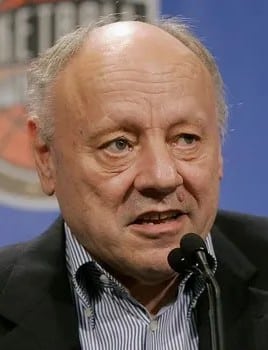
Mirko Novosel was one of the most respected figures in international basketball, known for elevating European coaching standards and achieving success at both club and national levels. As head coach of Yugoslavia, Novosel guided the national team to gold medals at the 1973 FIBA European Championship and the 1975 FIBA European Championship, the silver medal at the 1974 FIBA World Championship, the silver medal at the 1976 Montreal Summer Olympics, and the bronze medal at the 1984 Los Angeles Summer Olympics. Novosel was also the head coach of the senior men's Croatia national team, leading them to the bronze medal at the 1993 European Championship. He was enshrined into the Naismith Memorial Basketball Hall of Fame, as a coach, on 7 September 2007.
Novosel's Awards and Honors
- 2× EuroLeague champion (1985, 1986)
- European Coach of the Year (1985)
- 2× FIBA European Selection (1995)
- 2× FIBA Saporta Cup champion (1982, 1987)
- 2× Yugoslav League champion (1982, 1984)
- 7× Yugoslav Cup winner (1969, 1980–1983, 1985, 1988)
- First coach to win 400+ games at two different stages of a club (Lokomotiva/Cibona)
Teams
Cibona Zagreb
National Teams
Yugoslav
Croatia
Stats
EuroLeague (Champions Cup) Titles:
2 (1985, 1986)
Olympic Medals:
3 (Silver '76, Gold '80*, Bronze '84)
World Championship Medals:
2 (Silver '74, Bronze '94)
European Championships (EuroBasket):
2 Gold (1973, 1975), 2 Bronze
Yugoslav League Titles:
3
Yugoslav/Croatian Cups:
8
"Don't Just Watch the Game—Own the Look!"
Score the hottest drop of the season, from authentic Icon Edition jerseys to the latest sneaker releases and official team hoodies. High-performance gear for the ultimate basketball fan.
Get Your Gear – NBA Official Collection
NBA Hall of Fame
The NBA Hall of Fame, officially known as the Basketball Hall of Fame, is a prestigious institution that honors the greatest figures in the sport of basketball. Each year, the Induction ceremony celebrates legendary players who have made significant impacts on the game. The Hall of Fame class features basketball legends whose remarkable career achievements and iconic moments have defined the sport.
Inductees are recognized for their substantial player contributions, earning various awards and honors throughout their careers. The Hall also pays tribute to retired jerseys and acknowledges the profound impact on the game by highlighting the historic contributions of its members. With a focus on the legacy in basketball, the NBA Hall of Fame continues to celebrate excellence and inspire future generations of players through memorable speeches and recognition in sports.