

Search by the First Name of the HOFers
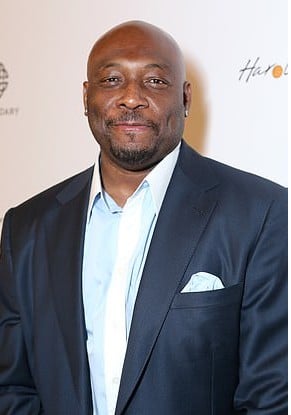
Mitch Richmond
Inducted:
2014
Player Stats
6 ft 5 in (1.96 m)
220 lb (100 kg)
Born:
June 30, 1965
Fort Lauderdale, Florida, U.S.
Position:
Shooting guard
College:
Moberly Area CC (1984–1986)
Kansas State (1986–1988)
Mitch Richmond, nicknamed “The Rock,” was one of the NBA’s most consistent and versatile scorers during the 1990s. Drafted fifth overall by the Golden State Warriors in 1988, he quickly made an impact, winning Rookie of the Year. A member of the famed “Run TMC” trio with Tim Hardaway and Chris Mullin, Richmond later became the face of the Sacramento Kings, averaging over 21 points per game in each of his seven seasons there.
Known for his smooth jump shot, strength, and ability to score from anywhere on the floor, he earned six All-Star selections and was named All-Star Game MVP in 1995. Richmond won an NBA championship with the Los Angeles Lakers in 2002 before retiring. Inducted into the Naismith Memorial Basketball Hall of Fame in 2014, his legacy is defined by scoring excellence and quiet leadership.
Richmond's Awards and Honors
- NBA champion (2002)
- 6× NBA All-Star (1993–1998)
- NBA All-Star Game MVP (1995)
- 3× All-NBA Second Team (1994, 1995, 1997)
- 2× All-NBA Third Team (1996, 1998)
- NBA Rookie of the Year (1989)
- NBA All-Rookie First Team (1989)
NBA Records
- 20+ Points Per Game in First 10 Seasons – Average at least 20.0 PPG for each of his first 10 seasons
- Reached 5,000 points in just 240 games, among the fastest marks for a shooting guard
- Team USA “Dream Team III” Scorer – Averaged 12.4 PPG during the 1996 Olympics
- High 3-Point Accuracy for Era – Career 38.8% from three-point range during a time when
- One of Six Players with 20,000+ Points, 38% 3P%, and 85% FT% at retirement
- Scored 1,000+ points in 12 consecutive seasons
- Sacramento Kings Franchise Leader
NBA Teams
As a player:
Golden State Warriors (1988–1991)
Sacramento Kings (1991–1998)
Washington Wizards (1998–2001)
Los Angeles Lakers (2001–2002)
As a coach:
St. John's (assistant) (2015–2019)
NBA Draft:
1988: 1st round, 5th overall pick
Golden State Warriors
Number Worn:
23, 2
NBA Stats
Seasons:
14 (1988–2002)
Games Played:
976
Points:
20,497 (21.0 PPG)
Rebounds:
3,801 (3.9 RPG)
Assists:
3,398 (3.5 APG)
Field Goal %:
45.5%
3-Point %:
38.8%
Free Throw %:
85.0%
Morgan Wootten
Inducted:
2000

Morgan Wootten is a legendary figure who proved that greatness doesn't require the bright lights of the NBA. Spending his entire 46-year career at DeMatha Catholic High School in Maryland, Wootten became the first exclusively high school coach to be inducted into the Naismith Memorial Basketball Hall of Fame.
Wootten’s career was defined by staggering consistency; he never had a losing season and led DeMatha to five national championships. His most famous victory came in 1965, when his team snapped the 71-game winning streak of Power Memorial, led by a young Lew Alcindor. He finished with a record of 1,274–192, the most wins by any high school coach at the time of his retirement. He was inducted into the Hall of Fame in 2000.
Wootten's Awards and Honors
- National High School Coach of the Year (multiple times)
- USA Basketball Coach of the Year
- Most wins in high school basketball history
- Coached numerous future NBA and Division I players
- Pioneer of modern high school basketball systems
- Established DeMatha as a national basketball powerhouse
HS Teams
DeMatha Catholic HS
HS Stats
Seasons coached:
46
Overall Record:
1,274–192 (.869)
National Championships:
5 (1962, 1965, 1968, 1978, 1984)
Conference Titles:
33 (WCAC)
20-Win Seasons:
40+ Consecutive
NBA Players Produced:
12+
Moses Malone
Inducted:
2001

Player Stats
6 ft 10 in (2.08 m)
260 lb (118 kg)
Born:
March 23, 1955
Petersburg, Virginia, U.S.
Died:
September 13, 2015
Norfolk, Virginia, U.S.
Position:
Center
College:
University of Maryland
Moses "Chairman of the Boards" Malone was a relentless, blue-collar force who revolutionized the center position through sheer tenacity and offensive rebounding. He made history in 1974 by becoming the first player of the modern era to jump directly from high school to professional basketball, signing with the Utah Stars of the ABA. His 21-year career spanned the ABA-NBA merger and nine different teams, but he is most iconic for his dominant stretches with the Houston Rockets and the Philadelphia 76ers.
Malone's peak was statistically staggering; he is the only player in NBA history to win back-to-back MVPs with two different teams (Houston in 1982, Philadelphia in 1983). His crowning achievement came in 1983 when he famously predicted a "Fo', Fo', Fo'" (four-game sweep) in every playoff round. While the 76ers actually went "Fo', Five, Fo'", they dominated the Lakers in the Finals, with Malone earning Finals MVP. He was inducted into the Hall of Fame in 2001.
Malone's Awards and Honors
- One of the greatest offensive rebounders in NBA history
- Only player to win MVP awards with multiple franchises
- Symbol of power, effort, and dominance in the paint
- National high school player of the year (1974)
- First-team Parade All-American (1974)
NBA Records
- NBA Champion & Finals MVP (1983)
- 3x NBA Most Valuable Player (1979, 1982, 1983)
- 12x NBA All-Star (1978–1989) / 1x ABA All-Star (1975)
- 6x NBA Rebounding Leader (1979, 1981–1985)
- 4x All-NBA First Team (1979, 1982, 1983, 1985)
- NBA All-Defensive First Team (1983)
- NBA 50th & 75th Anniversary Teams
ABA/NBA Teams
Utah Stars (1974–1975)
Spirits of St. Louis (1975–1976)
Buffalo Braves (1976)
Houston Rockets (1976–1982)
Philadelphia 76ers (1982–1986,1993–1994)
Washington Bullets (1986–1988)
Atlanta Hawks (1988–1991)
Milwaukee Bucks (1991–1993)
San Antonio Spurs (1994–1995)
NBA Draft:
1974: 3rd round, 28th overall pick
Utah Stars
Number Worn:
22, 13, 20, 21, 24, 2, 4, 8
ABA/NBA Stats
Seasons:
21 (1974-1995)
Games Played:
1,455
Game Started:
784
Points:
29,580 (20.6 ppg)
Rebounds:
17,834 (12.2 rpg)
Blocks:
1,889 (1.3 bpg)
FG%
49.5
FT%
76.0
Points Per Game:
20.3
NBA Championships:
1 (1983)
MVP Awards:
3 (1979, 1982, 1983)
Muffet McGraw
Inducted:
2017

Coach Stats
Born:
December 5, 1955
Pottsville, Pennsylvania, U.S.
Position:
Coach
College:
NA
Muffet McGraw built one of the most respected programs in women's college basketball history. As head coach at Notre Dame from 1987 to 2020, she turned the Fighting Irish into a national powerhouse. Known for her defensive coaching, leadership, and fierce competitiveness, McGraw led Notre Dame to two national championships and nine Final Four appearances. Her teams were consistent contenders, marked by strong fundamentals and player development.
She retired with over 900 career wins and is one of a small group of women’s coaches to reach that milestone. Off the court, she was a strong advocate for women in leadership, earning admiration well beyond basketball. Inducted into the Naismith Memorial Basketball Hall of Fame, McGraw left behind a lasting legacy that shaped generations of athletes and coaches. Her impact continues to influence the game today.
McGraw's Awards and Honors
- 4× AP Coach of the Year (2001, 2013, 2014, 2018)
- 3× Naismith Coach of the Year (2001, 2013, 2014)
- 3× USBWA Coach of the Year (2001, 2013, 2014)
- 3× WBCA Coach of the Year (2001, 2013, 2014)
- John R. Wooden Legends of Coaching Award (2017)
- Indiana Sports Hall of Fame (2020)
- 2 NCAA Division I Tournament (2001, 2018)
- 9 NCAA Regional—Final Four (1997, 2001, 2011–2015, 2018, 2019)
- 5 ACC tournament (2014–2017, 2019)
- 6 ACC regular season (2014–2019)
- 3 Big East regular season (2001, 2012, 2013)
- Big East tournament (2013)
HS/NCAA Teams
As a Coach:
Archbishop Carroll HS (1977–1979)
Saint Joseph's (1980–1982)
Lehigh (1982–1987)
Notre Dame (1987–2020)
NCAA Stats
Coaching Record:
936–292
Win(%):
.762
Seasons Coached:
38
National Championships:
2 (2001, 2018)
Final Four Appearances:
9
Conference Titles:
14
Nancy Lieberman
Inducted:
1996

Player Stats
5 ft 10 in (1.78 m)
175 lb (79 kg)
Born
July 1, 1958
Brooklyn, New York, U.S.
Position
Point guard
College
Old Dominion (1976–1980)
Nancy Lieberman is one of the most influential guards in basketball history, known for her toughness, leadership, and elite playmaking. A pioneer of the women’s game, Lieberman dominated at Old Dominion University, where she led the program to national prominence with her scoring, vision, and defensive intensity. She became a global star with USA Basketball, serving as the floor general for teams that won Olympic and World Championship gold medals.
Lieberman’s competitive fire and basketball IQ set her apart, and she remained a high-level performer across multiple decades. She later broke barriers again by playing in the WNBA at age 50, proving her skill and durability were timeless. Beyond playing, she made history as one of the first women to coach in men’s professional basketball. Her lasting impact on the sport earned her induction into the Naismith Memorial Basketball Hall of Fame in 1996.
Lieberman's Awards and Honors
- Women's Basketball Hall of Fame (Inaugural Class, 1999)
- 2x Wade Trophy Winner (1979, 1980)
- 2x Honda Sports Award for Basketball (1979, 1980)
- BIG3 Coach of the Year (2018)
- BIG3 Champion (2018 - Team Power)
- 10 Retired by Old Dominion University
WNBA Records
- WABA champion (1984)
- WABA Most Valuable Player (1984)
WNBA Teams
Phoenix Mercury (1997)
Detroit Shock (2008)
WNBA Draft
1997: 2 (Elite) round, 15th overall pick
Phoenix Mercury
WNBA Stats
Playing career:
1980–1987, 1997, 2008
Seasons:
2 (1997,2008)
Games Played:
26
Points:
64 (2.5 PPG)
Assist:
42 (1.6 APG)
Steal:
14 (0.5 SPG)
Blocks:
2 (0.1 BPG)
Field Goal Percentage:
32.1%
Free Throw Percentage:
80.0%
ODU Career Points:
2,430 (18.1 ppg)
ODU Career Assists:
961 (School Record)
ODU Career Steals:
562
Olympic Medals:
1 (Silver, 1976)
Nat Clifton
Inducted:
2014

Player Stats
6 ft 8 in (2.03 m)
225 lb (102 kg)
Born:
October 13, 1922
England, Arkansas, U.S.
Died:
August 31, 1990
Chicago, Illinois, U.S.
Position:
Power forward
Contributor
College:
Xavier (Louisiana) (1942–1943)
Nat Clifton was a trailblazer in professional basketball, remembered as one of the first African Americans to play in the NBA. Signed by the New York Knicks in 1950 after a successful career with the Harlem Globetrotters, Clifton brought a combination of strength, rebounding, and finesse that made him a dependable forward. Over eight NBA seasons, he averaged 10 points and 8 rebounds per game, helping the Knicks reach the NBA Finals three times.
Beyond his on-court production, Clifton’s greatest contribution was breaking racial barriers, opening the door for countless future stars. His professionalism, leadership, and quiet determination set a powerful example during a pivotal era for the sport. Inducted into the Naismith Memorial Basketball Hall of Fame in 2014 as a Contributor, Clifton’s legacy is defined by his role in advancing integration in basketball while excelling at the game’s highest level.
Clifton's Awards and Honors
- First African-American player to sign an NBA contract
- NBA All-Star selection (1957)
- Led Knicks to three straight NBA Finals appearances (1951–1953)
- Harlem Globetrotters star before NBA career
Notable Achivements
Broke racial barriers by joining the NBA from the Globetrotters
Excelled in scoring, rebounding, and passing despite restrictive roles
Became the oldest first-time All-Star at age 34
Remembered as a versatile, durable, and pioneering figure in league integration
NBA Teams
New York Knicks (1950–1957)
Detroit Pistons (1957–1958)
Chicago Majors (1961)
Number Worn:
19, 8, 24
NBA Stats
Seasons:
8 (1950–1958)
Games Played:
544
Points:
5,444 (10.0 ppg)
Rebounds:
4,469 (8.2 rpg)
Assists:
1,367 (2.5 apg)
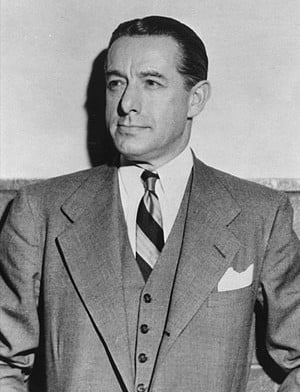
Nat Holman
Inducted:
1964
Player Stats
5′ 11″ (1.80 m)
Born
October 19,1896
New York City, New York, U.S.
Died
February 12,1995
Bronx, New York,U.S.
Position
Guard
College
New York University
Nat Holman was one of the greatest basketball players of the 1920s and a true pioneer of the sport. Nicknamed "Mr. Basketball," he starred with the legendary Original Celtics, where his exceptional ball-handling, accurate shooting, court vision and leadership helped establish one of the most dominant teams of the pre-NBA era. Holman was also credited with popularizing the pick-and-roll offense and advancing modern team-oriented basketball through his innovative style of play.
Uniquely active as both a superstar professional player and a collegiate coach simultaneously, Holman coached the City College of New York (CCNY) for 37 seasons. His influence extended far beyond his playing career, leaving a lasting impact on the evolution of the game. He was inducted into the Naismith Memorial Basketball Hall of Fame in 1964 as a player.
Holman's Awards and Honor
- 2× ABL Champion — 1927, 1928
- 2× Eastern League Champion
- 1921 Eastern League champion with Germantown
- Star player of the Original Celtics
- Regarded as one of the era's most accurate shooters
NBA Position
As Player
Original Celtics
As Coach
CCNY (1919-1959)
NBA Stats
Career/Toner
1920-1930
Games Played:
156
Points Per Game:
6.4
ABL Championships:
2 (1927, 1928)
Nate Archibald
Inducted:
1991

Player Stats
6 ft 1 in (1.85 m)
150 lb (68 kg)
Born
September 2, 1948
New York City, New York, U.S.
Position
Point guard
College
Arizona Western (1966–1967)
UTEP (1967–1970)
Nate “Tiny” Archibald was one of the most dynamic point guards in NBA history, known for his blazing speed, scoring ability, and playmaking brilliance. Despite standing just 6 feet 1 inch tall, Archibald dominated the league with his quickness and offensive versatility.
In the 1972–73 season with the Kansas City–Omaha Kings, he accomplished a historic feat by leading the NBA in both scoring (34.0 points per game) and assists (11.4 per game)—the only player ever to finish a season atop both categories. Over his 14-year career, Archibald earned multiple All-Star selections and later won an NBA championship with the Boston Celtics in 1981.
In recognition of his outstanding career and impact on the game, Archibald was inducted into the Naismith Memorial Basketball Hall of Fame in 1991.
Archibald's Awards and Honors
- NBA Champion (1981)
- 6× NBA All-Star (1973, 1975, 1976, 1980–1982)
- 3× All-NBA First Team (1973, 1975, 1976)
- 2× All-NBA Second Team (1972, 1981)
- NBA All-Star Game MVP (1981)
- NBA Scoring Champion (1973)
- NBA Assists Leader (1973)
NBA Teams
Cincinnati Royals / Kansas City-Omaha / Kansas City Kings (1970–1976)
New York Nets (1976–1977)
Boston Celtics (1978–1983)
Milwaukee Bucks (1983–1984)
NBA Draft
1970: 2nd round, 19th overall pick
Cincinnati Royals
Number Worn
10, 1, 7
NBA Stats
Seasons:
13 (1970–1984)
Games Played:
876
Points:
16,481 (18.8 ppg)
Assists:
6,476 (7.4 apg)
Rebounds:
2,046 (2.3 rpg)
Field Goal(%):
46.7%
Free Throw(%):
81.0%
Playoff Game:
47
Nate Thurmond
Inducted:
1985

Player Stats
6 ft 11 in (2.11 m)
225 lb (102 kg)
Born
July 25, 1941
Akron, Ohio, U.S.
Died
July 16, 2016
San Francisco, California, U.S.
Position
Center
Power forward
College
Bowling Green (1960–1963)
Nate Thurmond was one of the most dominant defensive centers in NBA history. Known for his rebounding strength, shot-blocking ability, and physical presence, Thurmond starred primarily with the Golden State Warriors during the 1960s and early 1970s.
Playing in an era alongside legends like Wilt Chamberlain and Kareem Abdul-Jabbar, Thurmond carved out his own legacy as a relentless defender and elite rebounder. He recorded the first officially recognized quadruple-double in NBA history (1974) while with the Chicago Bulls.
A seven-time NBA All-Star, Thurmond averaged a double-double for his career and was named to multiple All-Defensive Teams. He was inducted into the Naismith Memorial Basketball Hall of Fame in 1985.
Thurmond's Awards and Honors
- Consensus second-team All-American (1963)
- 3× First-team All-MAC (1961–1963)
- First player to record an official Quadruple-Double (1974)
- 42 retired by the Golden State Warriors
- 42 retired by the Cleveland Cavaliers
NBA Records
- 7× NBA All-Star (1965–1968, 1970, 1973, 1974)
- 2× NBA All-Defensive First Team (1969, 1971)
- 3× NBA All-Defensive Second Team (1972–1974)
- NBA All-Rookie First Team (1964)
- NBA anniversary team (50th, 75th)
NBA Teams
San Francisco / Golden State Warriors (1963–1974)
Chicago Bulls (1974–1975)
Cleveland Cavaliers (1975–1977)
NBA Draft
1963: 1st round, 3rd overall pick
San Francisco Warriors
Number Worn
42
NBA Stats
Seasons:
14 (1963–1977)
Games Played:
984
Points:
14,437 (15.0 ppg)
Rebounds:
14,464 (15.0 rpg)
Assists:
2,575 (2.7 apg)
Steal:
125 (0.5 spg)
Blocks:
553 (2.1 bpg)
Field Goal(%):
42.1%
Free Throw(%):
66.7%
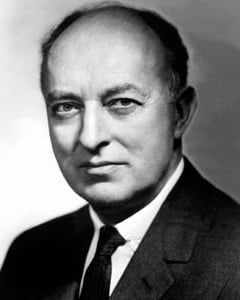
Ned Irish
Inducted:
1964
Stats
Born
May 6, 1905
Lake George, New York
Died
January 21, 1982
Venice, Florida
Position
Contributor
College
University of Pennsylvania
Ned Irish was one of the most important promoters and executives in early professional basketball. A former sportswriter who became basketball director at Madison Square Garden, Irish transformed the sport in 1934 by introducing college basketball doubleheaders to the Garden, proving that basketball could draw massive major-arena crowds. In 1938, he helped create the National Invitation Tournament (NIT).
In 1946, Irish co-founded the Basketball Association of America (BAA)—the forerunner of the NBA—and established its charter franchise, the New York Knicks. Serving as president of the Knicks from 1946 to 1974, he led the franchise to two NBA Championships (1970, 1973) and five total NBA Finals appearances.
Nicknamed "The Father of Big-Time Basketball," he was enshrined in the Naismith Memorial Basketball Hall of Fame as a Contributor in 1964.
Irish's Awards and Honor
- 2× NBA Champion President (1970, 1973)
- Founder of the New York Knickerbockers (1946)
- Co-Founder of the BAA / NBA (1946)
- Co-Creator of the National Invitation Tournament (NIT) (1938)
- Known as the “Father of Big-Time Basketball”
- Helped establish the Basketball Association of America
NBA Position
President:
New York Knicks (1946-1974)
Co-Founder:
BAA / NBA (1946)
NBA Stats
Madison Square Garden Basketball Director:
1934
Founded the New York Knicks:
1946
Knicks President:
1946–1974
Helped organize the BAA:
1946
Instrumental in establishing the NIT:
1938
Neil Johnston
Inducted:
1990

Player Stats
6 ft 8 in (2.03 m)
210 lb (95 kg)
Born
February 4, 1929
Chillicothe, Ohio, U.S.
Died
September 28, 1978
Irving, Texas, U.S.
Position
Center
College
Ohio State (1946–1948)
Neil Johnston was one of the NBA’s dominant centers during the 1950s and a cornerstone of the early Philadelphia Warriors dynasty. Known for his soft shooting touch and trademark underhand scoop shot, Johnston led the NBA in scoring three consecutive seasons (1953–55). He also led the league in rebounding in 1955 and was a six-time All-Star.
Johnston played a key role in helping the Warriors capture the 1956 NBA Championship. Over his eight-season career, he averaged 19.4 points and 11.3 rebounds per game. Despite a relatively short career due to injury, Johnston’s dominance during his peak years secured his legacy as one of the early great NBA centers. He was inducted into the Naismith Memorial Basketball Hall of Fame in 1990.
Johnston's NBA Records
- NBA champion (1956)
- 6× NBA All-Star (1953–1958)
- 4× All-NBA First Team (1953–1956)
- All-NBA Second Team (1957)
- 3× NBA scoring champion (1953–1955)
- NBA rebounding leader (1955
NBA Teams
Philadelphia Warriors (1951–1959)
NBA Draft
1950: undrafted
Number Worn
6
NBA Stats
Seasons:
8 (1951-1959)
Game played:
516
Points:
10,023 (19.4 ppg)
Rebounds:
5,856 (11.3 rpg)
Assists:
1,269 (2.5 apg)
Field Goal(%):
44.4
Free Throw(%):
76.8
Playoff Game:
23
Nera White
Inducted:
1992

Player Stats
6 ft 1 in (185 cm)
Born
November 15, 1935
Macon County, Tennessee, U.S.
Died
April 13, 2016
Gallatin, Tennessee, U.S.
Position
Center
Forward
College
Nashville Business College
Nera White is widely considered one of the most naturally gifted athletes to ever play basketball. Long before the professional era of the WNBA, White dominated the Amateur Athletic Union (AAU) with the Nashville Business College, leading her team to ten national championships. Standing 6 feet 1 inch, she possessed a rare combination of speed, strength, and finesse that allowed her to outplay opponents at every position.
Her legendary status was cemented on the international stage in 1957, when she led the United States to a World Championship victory over the Soviet Union, earning tournament MVP honors. Known for her unselfish play and remarkable durability, she remained an All-American for fifteen consecutive years. She was rightfully honored as a pioneer of the game and inducted into the Basketball Hall of Fame in 1992.
White's Awards and Honors
- FIBA World Champion (1957)
- FIBA World Championship MVP (1957)
- 15× AAU All-American (1955–1969)
- 10× AAU National Tournament Outstanding Player
- Named "Best Woman Player in the World" (1957)
- Inducted into the Women’s Basketball Hall of Fame (1999)
National Teams
United States
Stats
AAU National Championships:
10
AAU All-American Selections:
15 (Consecutive)
AAU Tournament MVPs:
10
World Championship Average:
14.1 PPG
World Championship High Score:
25 Points
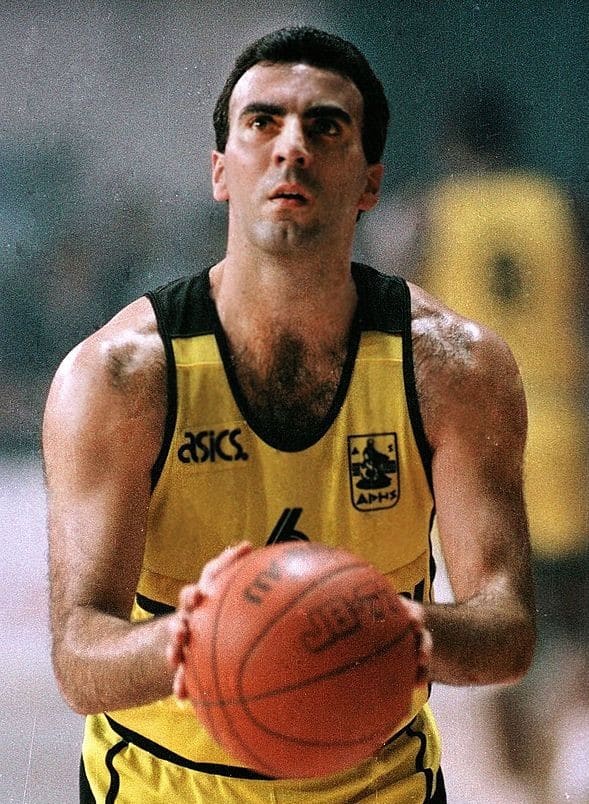
Nikos Galis
Inducted:
2017
Player Stats
6 ft 0 in (1.83 m)
198 lb (90 kg)
Born:
July 23, 1957
Union City, New Jersey, U.S.
Position:
Shooting guard
College:
Seton Hall (1975–1979)
Nick Galis was one of the greatest scorers in international basketball history and a pioneer for the sport in Greece. Born in the U.S. and a standout at Seton Hall, Galis was drafted by the Boston Celtics in 1979 but made his legacy overseas. He played professionally in Greece from 1979 to 1994, where he revolutionized Greek basketball with Aris Thessaloniki and Panathinaikos.
Galis led Greece to victory in the 1987 EuroBasket, where he was named MVP, and remains one of the top scorers in FIBA tournament history. His aggressive drive, incredible scoring ability, and leadership made him a national hero and an international icon.
In 2017, he was inducted into the Naismith Memorial Basketball Hall of Fame, cementing his legacy as a transformative figure in the global game.
Galis' Awards and Honors
- FIBA EuroBasket MVP (1987)
- 4× FIBA EuroBasket Top Scorer (1983, 1987, 1989, 1991)
- Euroscar Award (1987)
- Europa Award (1987)
- 5× FIBA EuroLeague Top Scorer (1988–1990, 1992, 1994)
- 2× FIBA European Selection (1987, 1991 I)
- FIBA EuroLeague assists leader (1994)
- 101 Greats of European Basketball (2018)
- 8× Greek League champion (1983, 1985–1991)
- 7× Greek Cup winner (1985, 1987–1990, 1992, 1993)
- Greek Super Cup winner (1986)
- Greek Super Cup Finals Top Scorer (1986)
- Greek League Hall of Fame (2022)
- 3× Greek Athlete of the Year (1986, 1987, 1989)
- FIBA's 50 Greatest Players (1991)
- 50 Greatest EuroLeague Contributors (2008)
Teams
Aris 1979–1992
Panathinaikos 1992–1994
National Team
Greece National Team
NBA Draft:
1979: 4th round, 68th overall pick
Boston Celtics
Number Worn:
6, 4, 7
Stats
Club Career:
Greek League Games Played:
~493
Career Points (Greek League):
~12,714
Career Scoring Average:
33.4 PPG
Highest Single-Season Avg:
~44.0 PPG (1981–82 season)
Greek League Scoring Titles:
11× (1981–1991)
International Career:
Games Played:
168
Total Points:
5,129
Scoring Average:
30.5 PPG
Nolan Richardson
Inducted:
2014

Player Stats
Born:
December 27, 1941
El Paso, Texas, U.S.
Position:
Forward
Coach
College:
Eastern Arizona Junior College (1959-1960)
University of Texas at El Paso
Nolan Richardson transformed college basketball with his fiery "40 Minutes of Hell" coaching style, blending relentless full-court pressure and fast breaks that revolutionized the game. At the University of Arkansas (1985–2002), he guided the Razorbacks to 13 NCAA Tournament appearances, three Final Fours, and a memorable 1994 National Championship.
Before that, he claimed a perfect 37-0 junior college national title at Western Texas College (1980) and an NIT championship at Tulsa (1981)—making him the only coach to win NJCAA, NIT, and NCAA titles.
Honored with induction into the Basketball Hall of Fame in 2014, Richardson’s impact went beyond his impressive record. He was a trailblazer for minority coaches, a powerful advocate for student-athletes, and an enduring symbol of intensity, conviction, and innovation in college basketball.
Richardson's Awards and Honors
- NABC Coach of the Year (1994)[1]
- Naismith College Coach of the Year (1994)
- 2× MVC Coach of the Year (1981, 1985)
- 3x SWC Coach of the Year (1989–1991)
- SEC Coach of the Year (1998)
- USBWA Most Courageous Award (1995)
Notable Achivements
- NCAA Championship (1994)
- NCAA Runner-Up (1995)
- First Coach to Win NJCAA, NIT, and NCAA Titles
- College Basketball Hall of Fame (2008)
NCAA Teams
As a player:
Texas Western (1961–1964)
As a coach:
Bowie HS (TX) (1968–1977)
Western Texas JC (1977–1980)
Tulsa (1980–1985)
Arkansas (1985–2002)
Tulsa Shock (2009–2011)
International:
Panama (2005–2007)
Mexico (2007)
NCAA Stats
Overall Record:
508–206 (College)
Winning Percentage:
.711
NCAA Tournament Record:
22–9
NCAA Tournament Appearances:
16
Final Fours:
3 (1990, 1994, 1995)
National Championships:
1 (1994 – University of Arkansas)
NIT Appearances:
2
NIT Record:
1–2
Conference Championships:
5 Regular Season, 3 Tournament Titles
Seasons Coached:
24 (at Tulsa and Arkansas)
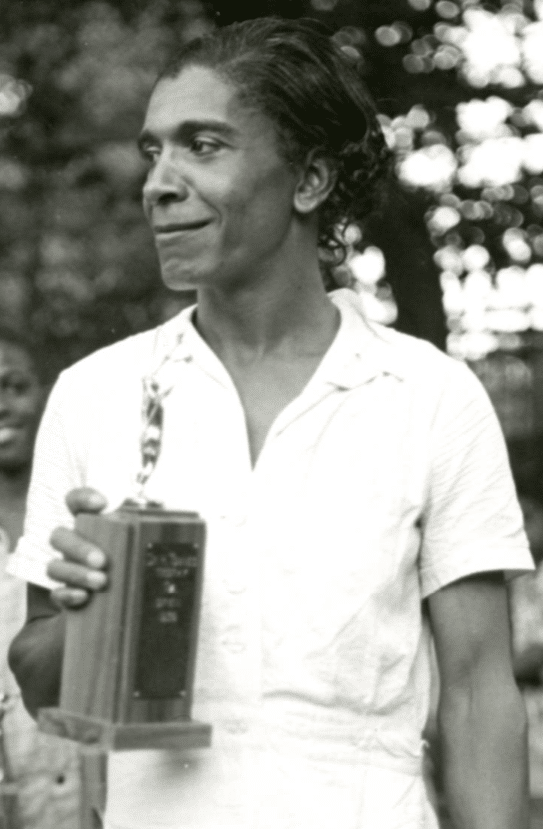
Ora Mae Washington
Inducted:
2018
Player Stats
Born:
January 23, 1898
Caroline County, Virginia, U.S.
Died:
December 21, 1971
Philadelphia, Pennsylvania, U.S.
Position:
Center
Forward
College:
NA
Ora Mae Washington was one of the most accomplished and groundbreaking athletes of the early 20th century, dominating both women’s basketball and tennis long before opportunities were equal. From the 1930s to the 1940s, she led the Philadelphia Tribunes basketball team to multiple championships, earning the reputation as the “Queen of the Court.” Known for her elite scoring and relentless defense, she helped popularize women’s basketball in Black communities.
Equally talented in tennis, Washington won 12 American Tennis Association (ATA) national singles titles, holding the crown for over a decade. Her athletic excellence came during a time of limited access for Black women in sports, making her legacy even more remarkable. In 2018, she was inducted into the Naismith Memorial Basketball Hall of Fame as an early African American sports icon.
Washington's Awards and Honors
- Inducted into the Naismith Memorial Basketball Hall of Fame (2018)
- 12 ATA national tennis singles titles – undefeated in singles for over a decade
- Multiple basketball titles with the Philadelphia Tribunes
- Considered the first Black female sports superstar in America
- Faced and overcame barriers due to segregation in both sports
- Known for versatility, skill, and leadership across two sports
- Helped the Philadelphia Tribunes win 11 straight Black women’s basketball titles
Teams
Philadelphia Tribunes (1930s–1940s)
Stats
Tennis Association:
American Tennis Association (ATA)
Basketball Titles:
Numerous Black women’s championships with Tribunes
Tennis Titles:
12-time ATA National Women’s Singles Champion
"Don't Just Watch the Game—Own the Look!"
Score the hottest drop of the season, from authentic Icon Edition jerseys to the latest sneaker releases and official team hoodies. High-performance gear for the ultimate basketball fan.
Get Your Gear – NBA Official Collection
NBA Hall of Fame
The NBA Hall of Fame, officially known as the Basketball Hall of Fame, is a prestigious institution that honors the greatest figures in the sport of basketball. Each year, the Induction ceremony celebrates legendary players who have made significant impacts on the game. The Hall of Fame class features basketball legends whose remarkable career achievements and iconic moments have defined the sport.
Inductees are recognized for their substantial player contributions, earning various awards and honors throughout their careers. The Hall also pays tribute to retired jerseys and acknowledges the profound impact on the game by highlighting the historic contributions of its members. With a focus on the legacy in basketball, the NBA Hall of Fame continues to celebrate excellence and inspire future generations of players through memorable speeches and recognition in sports.