
Search by the First Name of the HOFers
Bo Ryan
Inducted:
2024

Coach Stats
Born:
December 20, 1947
Chester, Pennsylvania, U.S.
Position:
Coach
College:
Wilkes University
Bo Ryan is a legendary basketball coach best known for his success at the University of Wisconsin, where he transformed the Badgers into a perennial powerhouse. Over 14 seasons (2001–2015), Ryan led Wisconsin to four Big Ten titles, two Final Four appearances (2014, 2015), and 14 straight NCAA Tournament berths.
His coaching philosophy emphasized fundamentals, disciplined defense, and efficient offense, making his teams difficult to beat.
Before Wisconsin, Ryan had tremendous success at UW-Platteville, where he won four NCAA Division III National Championships (1991, 1995, 1998, 1999) and built one of the most dominant small-college programs in history.
His 747 career wins across all levels and a .762 career winning percentage solidify his place among the all-time greats.
Ryan's Awards and Honors
- Clair Bee Coach of the Year (2007)
- 4× Big Ten Coach of the Year (2002, 2003, 2013, 2015)
- Jim Phelan Award (2008)
- Adolph Rupp Cup (2007)
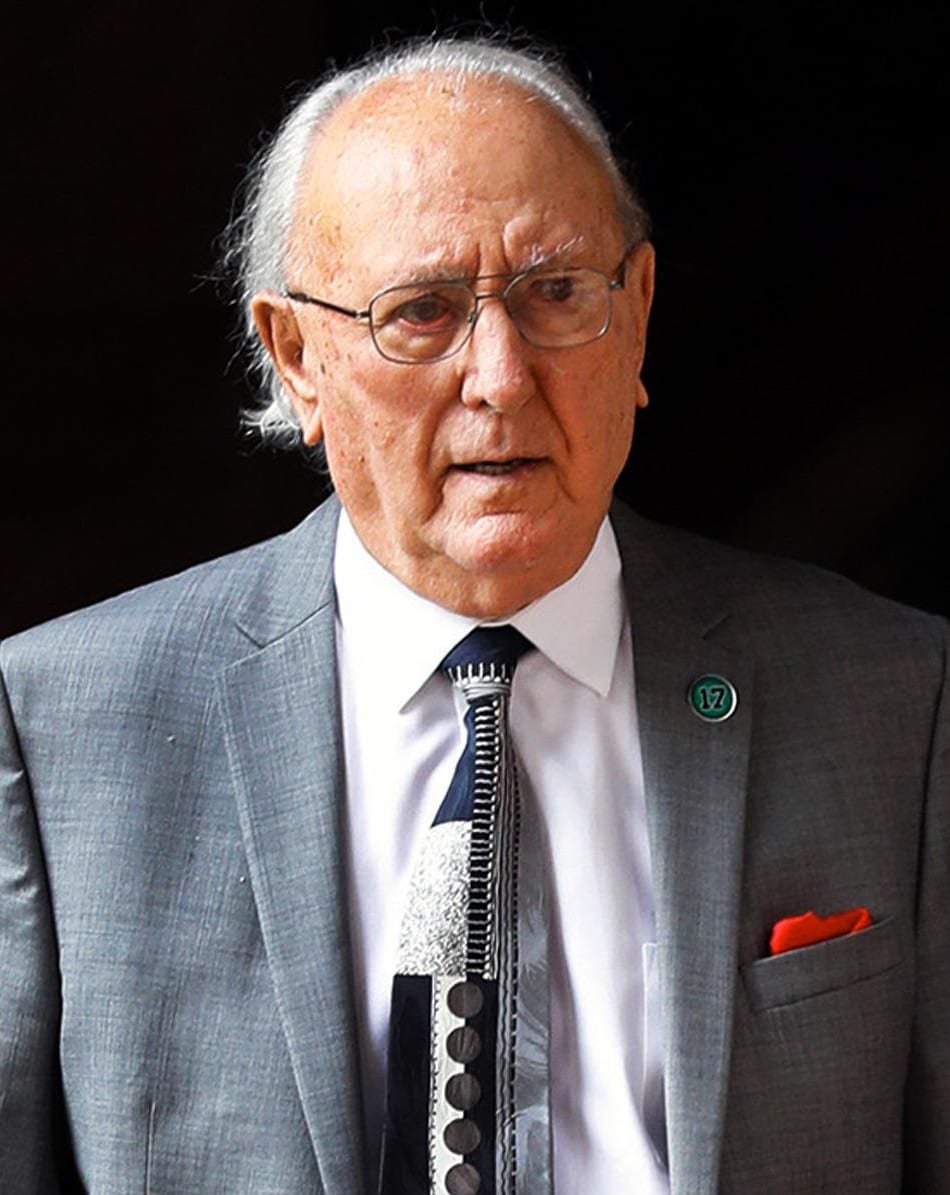
Bob Cousy
Inducted:
1971
Player Stats
6 ft 1 in (1.85 m)
175 lb (79 kg)
Born
August 9, 1928
New York City,
New York, U.S.
Position
Point guard
College
Holy Cross (1946–1950)
Bob Cousy, universally known as the "Houdini of the Hardwood," was the NBA's first great showman and the player who fundamentally revolutionized the point guard position. Before Cousy, professional basketball was largely a plodding, stationary game; Cousy injected a thrilling pace, introducing behind-the-back dribbles, no-look passes, and fast-break orchestration that laid the stylistic groundwork for the modern NBA.
Alongside Bill Russell, he led Boston to six NBA championships and consistently ranked among the league's top assist leaders. He led the league in assists an astonishing eight consecutive times, captured the 1957 NBA MVP award, and won six NBA Championships. Beyond his dazzling play on the court, Cousy was a vital pioneer off it, spearheading the creation of the National Basketball Players Association (NBPA).
He was inducted into the Naismith Memorial Basketball Hall of Fame in 1971, recognizing his lasting impact on the game.
Cousy's Awards and Honor
- No. 14 retired by Boston Celtics
- NCAA champion (1947)
- Presidential Medal of Freedom (2019)
- Second-team All-American – AP, UPI, Look (1949)
- Third-team All-American – AP (1948)
- First player to record more than 6,000 career assists
- First president of the National Basketball Players Association
NBA Records
- 6× NBA champion (1957, 1959–1963)
- NBA Most Valuable Player (1957)
- 13× NBA All-Star (1951–1963)
- 2× NBA All-Star Game MVP (1954, 1957)
- 10× All-NBA First Team (1952–1961)
- 2× All-NBA Second Team (1962, 1963)
- 8× NBA assists leader (1953–1960)
- NBA anniversary team (25th, 35th, 50th, 75th)
NBA Teams
Boston Celtics (1950–1963)
Cincinnati Royals (1969–1970)
NBA draft
1950: 1st round, 3rd overall pick
Tri-Cities Blackhawks
Number Worn
14, 19
NBA Stats
Seasons:
14 (1950–1963,1969-70)
Games Played:
924
Points:
16,960 (18.4 ppg)
Rebounds:
4,786 (5.2 rpg)
Assists:
6,955 (7.5 apg)
Field Goal(%):
37.5
Free Throw(%):
80.3
Playoff Game:
109
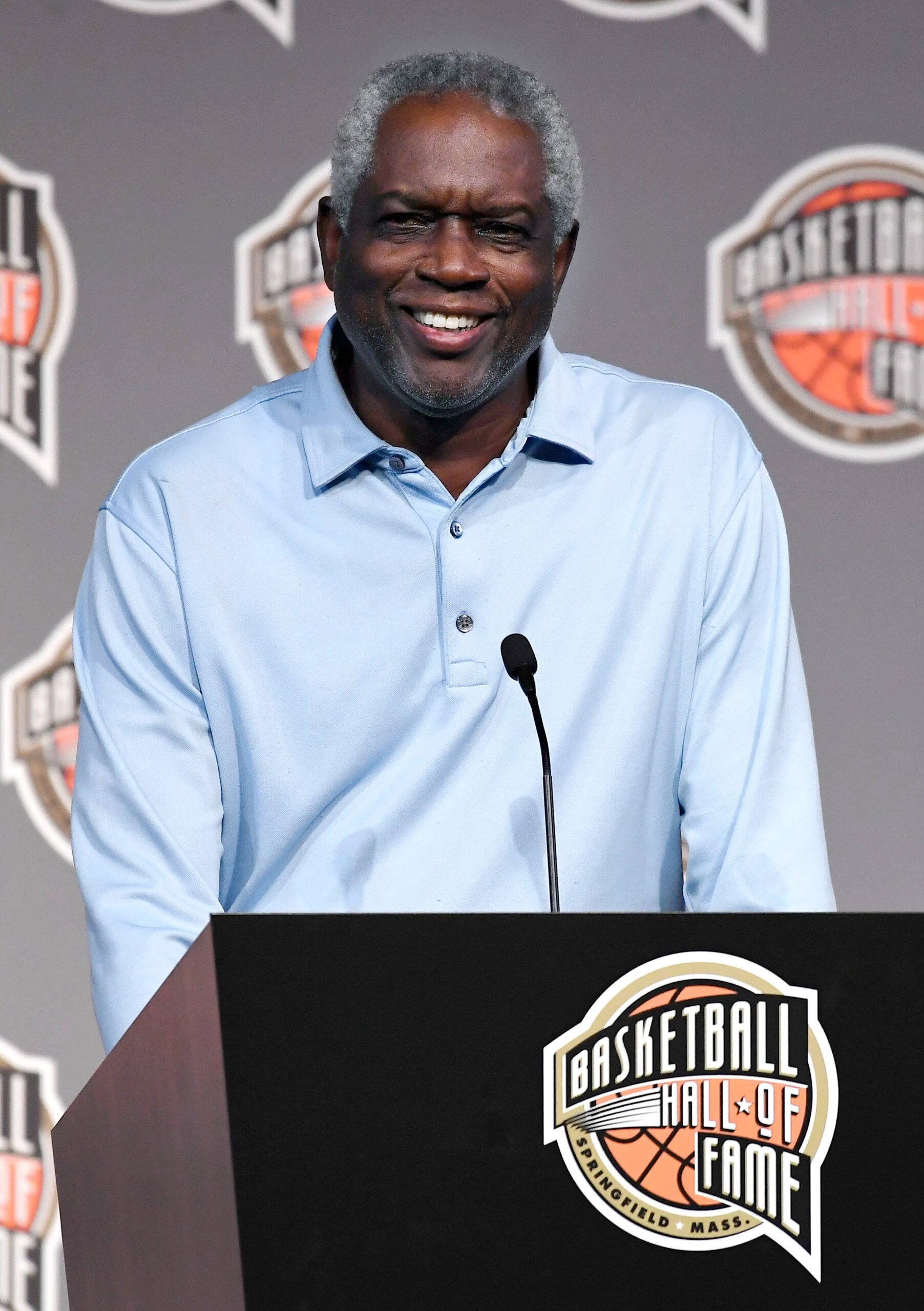
Bob Dandridge
Inducted:
2021
Player Stats
6 ft 6 in (1.98 m)
195 lb (88 kg)
Born:
November 15, 1947
Richmond, Virginia, U.S.
Position:
Small forward
Shooting guard
College:
Norfolk State (1965–1969)
Bob Dandridge was a smooth-scoring forward who played a crucial role on two NBA championship teams in the 1970s. Known for his clutch performances and defensive versatility, Dandridge quietly became one of the best forwards of his era.
He helped the Milwaukee Bucks win the title in 1971 alongside Kareem Abdul-Jabbar and Oscar Robertson, then won another with the Washington Bullets in 1978. Dandridge consistently guarded the opposing team’s best wing while providing steady offense.
Over his career, he averaged nearly 19 points and made four All-Star appearances. Though often underappreciated during his playing days, his contributions in big moments never went unnoticed by teammates and opponents.
His induction into the Naismith Memorial Basketball Hall of Fame in 2021 was a long-overdue recognition of his all-around excellence and winning impact.
Dandridge's Awards and Honors
- 10 retired by Milwaukee Bucks
- 12 retired by Norfolk State Spartans
- Scored the most points in the 1970s NBA Finals (414 total)
- One of only a few players to win titles with two different franchises in the 1970s
- Known for guarding top scorers like John Havlicek and Julius Erving
- Often called the “unsung hero” of championship teams
NBA Records
- 2× NBA champion (1971, 1978)
- 4× NBA All-Star (1973, 1975, 1976, 1979)
- All-NBA Second Team (1979)
- NBA All-Defensive First Team (1979)
- NBA All-Rookie First Team (1970)
NBA Teams
Milwaukee Bucks 1969–1977
Washington Bullets 1977–1981
Milwaukee Bucks 1981
NBA Draft:
1969: 4th round, 45th overall pick
Milwaukee Bucks
Numbers Worn:
10
NBA Stats
Seasons:
13 (1969–1981)
Games Played:
839
Points:
15,530 (18.5 PPG)
Rebounds:
5,715 (6.8 RPG)
Assists:
2,846 (3.4 APG)
FG%:
48.5%
Playoff Games:
98
Playoff PPG:
20.1
Bob Davies
Inducted:
1970
Player Stats
6 ft 1 in (1.85 m)
175 lb (79 kg)
Born
January 15, 1920
Harrisburg, Pennsylvania, U.S.
Died
April 22, 1990
Hilton Head Island,
South Carolina, U.S.
Position
Point guard
College
Seton Hall (1939–1942)
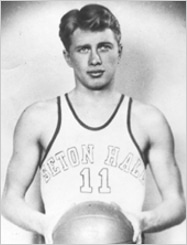
Bob Davies was one of the NBA's earliest great point guards and a pioneer of modern ball-handling. Nicknamed the "Harrisburg Houdini," he dazzled fans with his dribbling, passing, and court vision at a time when creative guard play was still uncommon. Davies starred for the Rochester Royals, leading the franchise to the 1951 NBA Championship while establishing himself as one of the league's premier playmakers.
Before joining the NBA, he also helped Seton Hall become a national power and won two Amateur Athletic Union (AAU) national championships with the Rochester Royals. His leadership and unselfish style helped define the point guard position during professional basketball's early years. Davies was a consistent All-Star and one of the NBA's top assist leaders throughout his career.
In recognition of his outstanding achievements, he was inducted into the Naismith Memorial Basketball Hall of Fame in 1970.
Davies' Awards and Honor
- One of the NBA's first elite point guards
- Led the Rochester Royals to their only NBA championship
- Among the league leaders in assists during the NBA's early years
- No. 11 retired by Seton Hall Pirates
NBA Records
- NBA champion (1951)
- 4× NBA All-Star (1951–1954)
- 4× All-BAA/NBA First Team (1949–1952)
- All-NBA Second Team (1953)
- NBA assists leader (1949)
- NBA 25th Anniversary Team (1971)
- NBL champion (1946)
- NBL Most Valuable Player (1947)
NBA Teams
Rochester Royals (1945–1955)
NBA draft
1950: 1st round, 3rd overall pick
Tri-Cities Blackhawks
Number Worn
11
NBA Records
Seasons:
7 (1949–1955)
Games Played:
462
Points:
6,594 (14.3 ppg)
Assists:
2,250 (4.9 apg)
Rebounds:
980 (2.9 rpg)
Field Goal Percentage:
47.5%
Free Throw Percentage:
71.4%
Bob Houbregs
Inducted:
1987

Player Stats
6 ft 7 in (2.01 m)
210 lb (95 kg)
Born
March 12, 1932
Vancouver, British Columbia, Canada
Died
May 28, 2014
Olympia, Washington, U.S.
Position
Power forward
Centre
College
Washington (1950–1953)
Bob Houbregs was a versatile forward-center known for his scoring ability, rebounding, and leadership during the 1950s. A standout at the University of Washington, Houbregs led the Huskies to the 1953 NCAA championship game and was named a consensus All-American before being drafted by the Milwaukee Hawks.
Houbregs played in the NBA for the Milwaukee Hawks, Baltimore Bullets, Boston Celtics, and Fort Wayne/Detroit Pistons. Known for his basketball IQ and fundamental skills, Houbregs contributed to the game both on and off the court, later serving in scouting and executive roles.
His overall impact, combining collegiate excellence and professional contributions, earned him induction into the Naismith Memorial Basketball Hall of Fame in 1987.
Houbregs' Awards and Honors
- Helms Foundation Player of the Year (1953)
- Consensus First-Team All-American (1953)
- 3× First-team All-PCC (1951–1953)
- 3× All-Pacific Coast Conference First Team (1951–1953)
- NCAA Tournament Leading Scorer (1953)
- 25 Retired by the Washington Huskies
- Inducted into the Canadian Basketball Hall of Fame (2000)
- Versatile forward-center in early NBA
NBA Teams
Baltimore Bullets (1953–1954)
Boston Celtics (1954)
Fort Wayne / Detroit Pistons (1954–1958)
NBA Draft
1953: 1st round, 2nd overall pick
Milwaukee Hawks
Number Worn
10, 14, 20, 8, 17
NBA Stats
Seasons:
5 (1953–1958)
Games Played:
281
Points:
2,611 (9.3 ppg)
Rebounds:
1,552 (5.5 rpg)
Assists:
500 (1.8 apg)
Field Goal(%):
40.4
Free Throw(%):
72.1
Playoff Game:
23
Bob Huggins
Inducted:
2022

Player Stats
Born:
September 21, 1953
Morgantown, West Virginia, U.S.
Position:
Coach
College:
West Virginia University (1977)
Bob Huggins, a coaching legend in college basketball, built his legacy on tough defense, relentless intensity, and consistent success.
Across a coaching career that spanned over four decades, Huggins amassed over 900 wins, making him one of the winningest coaches in NCAA Division I men’s basketball history. He started at Walsh University before gaining national recognition at the University of Cincinnati, where he revived a struggling program and turned it into a powerhouse.
Huggins later led Kansas State for a season before returning home to coach the West Virginia Mountaineers, where he became a beloved figure and guided the team to multiple NCAA tournament appearances, including a Final Four in 2010.
Known for his fiery courtside demeanor and ability to develop gritty, hardworking players, Huggins was inducted into the Naismith Memorial Basketball Hall of Fame in 2022. Despite never coaching in the NBA, his impact on the game and his players is undeniable.
Huggins' Awards and Honors
- 2 NCAA Division I regional—Final Four (1992, 2010)
- 2 MOC regular season (1982, 1983)
- 2 MOC tournament (1982, 1983)
- OVC regular season (1986)
- OVC tournament (1986)
- 2 Great Midwest regular season (1992, 1993)
- 4 Great Midwest tournament (1992–1995)
- 8 C-USA regular season (1996–2002, 2004)
- 4 C-USA Tournament (1996, 1998, 2002, 2004)
- Big East tournament (2010)
- Jim Phelan Award (2015)
- C-USA Coach of the Decade (2005)
- OVC Coach of the Year (1986)
- 2× Great Midwest Coach of the Year (1992, 1993)
- 3× C-USA Coach of the Year (1998–2000)
- Big 12 Coach of the Year (2015)
NCAA Teams
As Coach
West Virginia (assistant) 1977–1978
Ohio State (assistant) 1978–1980
Walsh 1980–1983
UCF (assistant) 1983–1984
Akron 1984–1989
Cincinnati 1989–2005
Kansas State 2006–2007
West Virginia 2007–2023
NCAA Stats
Coaching Tenure:
1977–2023 (as head coach from 1980 onward)
Overall NCAA Division I Record:
935–414 (.693 winning percentage)
NCAA Tournament Appearances:
25 times
Final Four Appearances:
1 (2010 with West Virginia)
Sweet 16 Appearances:
8 times
Bob Hurley
Inducted:
2010

Coach Stats
Born
July 31, 1947
Jersey City, New Jersey, U.S.
Position:
Coach
College:
NA
Bob Hurley Sr. is a legendary high school basketball coach who spent 45 years building a national powerhouse at the now-closed St. Anthony High School in Jersey City, New Jersey. In an era where elite coaches often jumped to the college or professional ranks, Hurley famously declined all offers, choosing instead to remain at a small, financially struggling school with no gym of its own.
His impact was both athletic and social. Working in one of the toughest neighborhoods in America, Hurley boasted that in his four-decade career, all but two of his players went on to attend college. On the court, he amassed over 1,200 wins, 26 state championships, and four national titles. His legendary status was cemented in 2010 when he became only the third high school coach in history to be inducted into the Naismith Memorial Basketball Hall of Fame.
Hurley's Awards and Honors
- 3x USA Today National Coach of the Year (1989, 1996, 2008)
- ESPY Award for Best Coach/Manager (2017)
- New Jersey Hall of Fame Inductee (2012)
- NABC Mike Krzyzewski Award (2025 Recipient)
- Multiple National Coach of the Year honors
- One of the winningest coaches in basketball history
- Became the tenth coach in high school history to win 1,000 games
HS Teams
St. Anthony HS (1972–2017)
HS Stats
Years at St. Anthony:
45 (1972–2017)
Career Wins:
1,274
State Championships:
26
National Championships:
4 (1989, 1996, 2008, 2011)
Undefeated Seasons:
5
NBA First-Round Picks Coached:
6
Bob Knight
Inducted:
1991

Coach Stats
Born
October 25, 1940
Massillon, Ohio, U.S.
Died
November 1, 2023
Bloomington, Indiana, U.S.
Position
Coach
College
NA
Bob Knight was one of the most successful and intense coaches in basketball history. Best known for his tenure at Indiana Hoosiers men's basketball, Knight built a powerhouse program defined by discipline, motion offense, and tough man-to-man defense.
Over 29 seasons at Indiana (1971–2000), he led the Hoosiers to three NCAA championships (1976, 1981, 1987). His 1975–76 team remains the last undefeated national champion in Division I men’s basketball. Knight also coached the U.S. Olympic team to a gold medal in 1984.
Known for his fiery sideline demeanor, he combined tactical brilliance with a deep commitment to fundamentals. Knight was inducted into the Naismith Memorial Basketball Hall of Fame in 1991.
Knight's Awards and Honors
- 3× NCAA Division I Champion (1976, 1981, 1987)
- 4× National Coach of the Year (1975, 1976, 1987, 1989)
- 8× Big Ten Coach of the Year
- 11× Big Ten Regular Season Champion
- 2× Henry Iba Award (1975, 1989)
- Olympic Gold Medalist (1984)
- NIT Champion (1979)
NCAA Teams
Army (1965–1971)
Indiana (1971–2000)
Texas Tech (2001–2008)
NCAA Stats
Seasons Coached:
42
Total Career Wins:
902
Total Career Losses:
371
NCAA Championships:
3
Final Four Appearances:
5
Winning Percentage:
.709
Bob Lanier
Inducted:
1992

Player Stats
6 ft 10 in (2.08 m)
250 lb (113 kg)
Born
September 10, 1948
Buffalo, New York, U.S.
Died
May 10, 2022
Phoenix, Arizona, U.S.
Position
Center
College
St. Bonaventure (1967–1970)
Bob Lanier was a massive presence in the paint, famously recognized for his incredible skill and his signature size-22 shoes. Selected first overall in 1970, he became the cornerstone of the Detroit Pistons for a decade before finishing his career as a key veteran for the Milwaukee Bucks. A left-handed center with a soft shooting touch, Lanier possessed a lethal "hook" shot that made him one of the most efficient scorers of his era.
Despite battling persistent knee injuries, his consistency was remarkable, as he averaged a double-double over fourteen professional seasons. Beyond his physical dominance, Lanier was highly respected for his leadership, serving as the president of the Players Association and later as a global ambassador for the league. His ability to blend raw power with finesse ensured his status as an elite big man.
In honor of his enduring excellence, Lanier was inducted into the Basketball Hall of Fame in 1992.
Lanier's Awards and Honors
- Walter Kennedy Citizenship Award (1978)
- 16 jersey retired by the Detroit Pistons
- 16 jersey retired by the Milwaukee Bucks
- Consensus first-team All-American (1970)
- Consensus second-team All-American (1968)
NBA Records
- 8× NBA All-Star (1972–1975, 1977–1979, 1982)
- NBA All-Star Game MVP (1974)
- NBA All-Rookie First Team (1971)
NBA Teams
Detroit Pistons (1970–1980)
Milwaukee Bucks (1980–1984)
NBA Draft
1970: 1st round, 1st overall pick
Detroit Pistons
Number Worn
16
NBA Stats
Season:
14 (1970-1984)
Games:
959
Points:
19,248 (20.1 ppg)
Rebounds:
9,698 (10.1 rpg)
Assist:
3,007 (3.1 apg)
Blocks:
1,100 (1.5 bpg)
Steals:
777 (1.1 spg)
Field Goal(%):
51.4
Free Throw(%):
76.7
Bob Leonard
Inducted:
2014
Player Stats:
6 ft 3 in (1.91 m)
185 lb (84 kg)
Born:
July 17, 1932
Terre Haute, Indiana, U.S.
Died:
April 13, 2021
Indianapolis, Indiana, U.S.
Position:
Point guard
Coach
College:
Indiana (1951–1954)
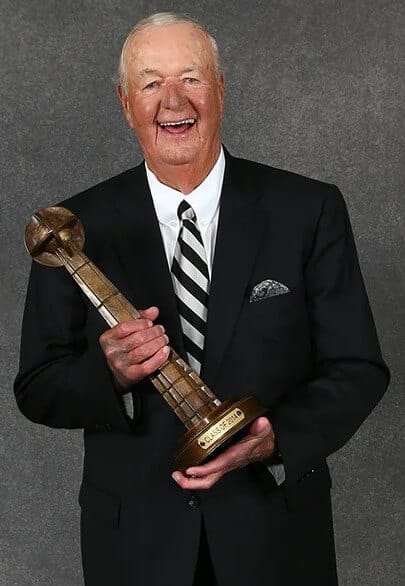
Bob “Slick” Leonard was a player, coach, and broadcaster whose influence shaped Indiana basketball for decades. A standout guard at Indiana University, Leonard led the Hoosiers to the 1953 NCAA championship. Drafted by the Minneapolis Lakers, he enjoyed a seven-season NBA career before transitioning to coaching. Leonard became best known for guiding the Indiana Pacers to three ABA championships (1970, 1972, 1973), cementing their status as a dynasty.
Renowned for his fiery passion and in-game “Boom, Baby!” calls, he later served as the Pacers’ radio analyst for over 30 years. Leonard’s career spanned nearly every role in the sport, earning him induction into the Naismith Memorial Basketball Hall of Fame in 2014. His leadership, charisma, and unwavering connection to fans made him one of Indiana’s most beloved basketball figures.
Leonard's Awards and Honors
- 3× ABA Champion (1970, 1972, 1973)
- ABA All-Time Team (Coach)
- Indiana University NCAA Champion (1953)
- Consensus second-team All-American (1954)
- Naismith Hall of Fame Inductee (2014)
- Over 30 years as Pacers broadcaster
ABA and NBA Records
- Most wins by a head coach in Indiana Pacers history (529 total victories)
- Only coach to win three ABA championships with the same team
- Guided the Pacers to five ABA Finals appearances
- Played in the 1954 NCAA Championship Game with Indiana University
- Served as both player and coach in professional basketball, a rare achievement in the sport
NBA Teams
As a player:
Minneapolis / Los Angeles Lakers (1956–1961)
Chicago Packers / Zephyrs (1961–1963)
As a coach:
Chicago Zephyrs / Baltimore Bullets (1962–1964)
Indiana Pacers (1968–1980)
NBA Draft:
1954: 2nd round, 10th overall pick
Baltimore Bullets
Number Worn:
21
NBA Stats
As Player
Seasons:
7 (1956–1963)
Points:
4,204 (9.9 ppg)
Rebounds:
1,217 (2.9 rpg)
Assists:
1,427 (3.3 apg)
As Coach
Seasons:
14 (1968–1980)
Record:
573–534
ABA Championships:
3 (1970, 1972, 1973)
Bob McAdoo
Inducted:
2000
Player Stats
6 ft 9 in (2.06 m)
210 lb (95 kg)
Born
September 25, 1951
Greensboro, North Carolina, U.S.
Position:
Center
College:
Vincennes (1969–1971)
North Carolina (1971–1972)
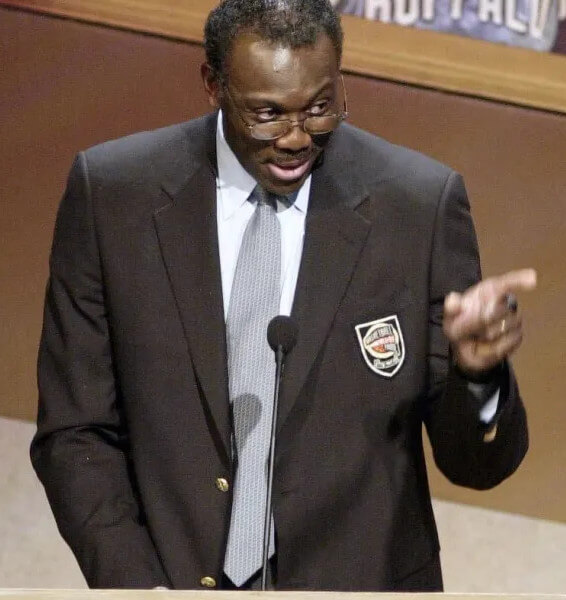
Bob McAdoo was one of the most complete offensive big men the NBA had ever seen, blending size, skill, and shooting touch well ahead of his time. Drafted in 1972, he quickly became the league’s most dominant scorer, leading the NBA in scoring three straight seasons with the Buffalo Braves. McAdoo’s ability to score from the post, mid-range, and face-up positions made him nearly impossible to guard and foreshadowed the modern stretch big.
He reached the peak of individual success by winning the NBA Most Valuable Player award in 1975. Later in his career, McAdoo adapted his role and became a key contributor on championship teams with the Los Angeles Lakers. His versatility, longevity, and scoring brilliance defined an era and influenced future generations of big men. Bob McAdoo was inducted into the Naismith Memorial Basketball Hall of Fame in 2000.
McAdoo's Awards and Honors
- FIBA Intercontinental Cup champion (1987)
- 2× EuroLeague champion (1987, 1988)
- EuroLeague Final Four MVP (1988)
- 50 Greatest EuroLeague Contributors (2008)
- 2× Italian League champion (1987, 1989)
NBA Records
- NBA Most Valuable Player (1975)
- 2x NBA Champion (1982, 1985)
- 3x NBA Scoring Champion (1974–1976)
- NBA Rookie of the Year (1973)
- 5x NBA All-Star (1974–1978)
- 2x EuroLeague Champion (1987, 1988)
- NBA 75th Anniversary Team
- 3x NBA Champion as Asst. Coach (2006, 2012, 2013)
NBA Teams
Buffalo Braves (1972–1976)
New York Knicks (1976–1979)
Boston Celtics (1979)
Detroit Pistons (1979–1981)
New Jersey Nets (1981)
Los Angeles Lakers (1981–1985)
Philadelphia 76ers (1986)
NBA Draft
1972: 1st round, 2nd overall pick
Buffalo Braves
Number Worn
11, 21
NBA Stats
Seasons:
14 (1972–1986)
Game Played:
852
Points:
18,787 (22.1 ppg)
Rebounds:
8,048 (9.4 rpg)
Blocks:
1,147 (1.5 bpg)
Field Goal %:
50.3
Free throw(%):
75.4
Points per game:
22.1
NBA Championships:
2 (Player) / 3 (Asst. Coach)
NBA MVP:
1 (1975)
Scoring Titles:
3 (1974, 1975, 1976)
Bob Pettit
Inducted:
1971
Player Stats
6 ft 9 in (2.06 m)
205 lb (93 kg)
Born
December 12, 1932
Baton Rouge, Louisiana, U.S.
Position
Power forward
Center
College
LSU (1951–1954)
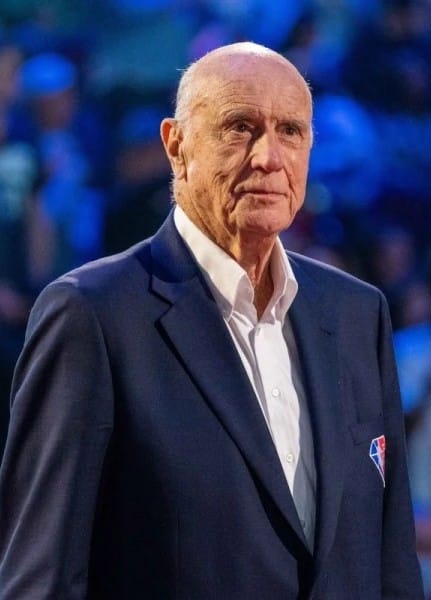
Bob Pettit was one of the NBA's first dominant power forwards and among the league's greatest players of the 1950s and early 1960s. A consistent scorer and rebounder, he combined outstanding athleticism with a relentless work ethic that made him a matchup problem every night.
Pettit spent his entire 11-season career with the Milwaukee and St. Louis Hawks, leading the franchise to its only NBA championship in 1958, when the Hawks defeated the Boston Celtics. He became the first player in NBA history to score more than 20,000 career points and was the league's first two-time Most Valuable Player.
His remarkable consistency earned him All-NBA First Team honors every season of his career. Bob Pettit's lasting impact on professional basketball was recognized with induction into the Naismith Memorial Basketball Hall of Fame in 1971.
Pettit's Awards and Honor
- First player in NBA history to score 20,000 career points
- Averaged at least 20 points and 12 rebounds in every season of his career
- Led the St. Louis Hawks to their only NBA championship
- Recorded 50 points in the decisive Game 6 of the 1958 NBA Finals
- Regarded as one of the greatest power forwards in NBA history
NBA Records
- NBA champion (1958)
- 2× NBA Most Valuable Player (1956, 1959)
- 11× NBA All-Star (1955–1965)
- 4× NBA All-Star Game MVP (1956, 1958, 1959[a], 1962)
- 10× All-NBA First Team (1955–1964)
- NBA Rookie of the Year (1955)
- 2× NBA scoring champion (1956, 1959)
- NBA rebounding leader (1956)
NBA Teams
Milwaukee / St. Louis Hawks (1954–1965)
NBA draft
1954: 1st round, 2nd overall pick
Milwaukee Hawks
Number Worn
9
NBA Stats
Seasons:
11 (1955–1965)
Games Played:
792
Points
20,880 (26.4 ppg)
Rebounds
12,849 (16.2 rpg)
Assists
2,369 (3.0 apg)
Field Goal(%):
42.0
Free Throw(%):
77.5
Playoff Game:
88
Bobby Jones
Inducted:
2019

Player Stats
6 ft 9 in (2.06 m)
210 lb (95 kg)
Born:
December 18, 1951
Akron, Ohio, U.S.
Position:
Power forward
College:
North Carolina (1971–1974)
Bobby Jones built his legacy as one of the greatest defenders and ultimate team players in NBA history. Known for his hustle, integrity, and quiet leadership, Jones played 12 NBA seasons, primarily with the Denver Nuggets and Philadelphia 76ers. He was a defensive force who brought energy off the bench and sacrificed individual stats for team success.
Jones made 11 straight All-Defensive Teams and was the first-ever recipient of the NBA Sixth Man of the Year Award in 1983—the same year he helped the 76ers win the NBA Championship. Despite modest scoring numbers, his efficiency and unselfish play made him a coach’s dream. Jones was also admired for his sportsmanship and clean style of play, earning the nickname “The Secretary of Defense.”
He retired with a career field goal percentage of .550 and was inducted into the Hall of Fame in 2019 for his all-around impact on the game.
Jones' Awards and Honors
- NBA champion (1983)
- 4× NBA All-Star (1977, 1978, 1981, 1982)
- 8× NBA All-Defensive First Team (1977–1984)
- NBA All-Defensive Second Team (1985)
- NBA Sixth Man of the Year (1983)
- ABA All-Star (1976)
- All-ABA Second Team (1976)
- 2× ABA All-Defensive First Team (1975, 1976)
- ABA All-Rookie First Team (1975)
- 24 retired by Philadelphia 76ers
- Consensus second-team All-American (1974)
- First-team All-ACC (1974)
- Second-team All-ACC (1973)
- 34 honored by North Carolina Tar Heels
- Coach Wooden "Keys to Life" Award (2005)
NBA Teams
Denver Nuggets (1974–1978)
Philadelphia 76ers (1978–1986)
NBA Draft:
1974: 1st round, 5th overall pick
Houston Rockets
Number Worn:
24
NBA Stats
Seasons:
12 (1974–1986)
Games Played:
941
Points:
11,448
Rebounds:
5,739
Assists:
1,875
Steals:
1,293
Blocks:
1,145
Field Goal %:
.550
Points Per Game:
12.1
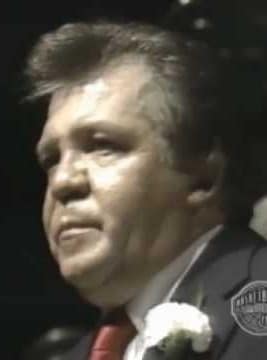
Bobby McDermott
Inducted:
1988
Player Stats
6 ft 0 in (1.83 m)
185 lb (84 kg)
Born
January 7, 1914
Queens, New York, U.S.
Died
October 3, 1963
Yonkers, New York, U.S.
Position
Guard
College
NA
Bobby McDermott was one of professional basketball’s earliest superstars and a dominant scorer of the 1930s and 1940s. Playing primarily in the National Basketball League (NBL), a direct predecessor to the NBA, McDermott built a reputation as one of the greatest long-range shooters of his era.
He starred for teams such as the Fort Wayne Zollner Pistons (now the Detroit Pistons franchise), leading them to multiple league championships. McDermott was a prolific scorer, winning numerous scoring titles and becoming one of the first players in pro basketball history to reach 4,000 career points — a major milestone at the time.
Known for his toughness and scoring flair, McDermott helped popularize professional basketball during its formative years. His dominance and impact on the early professional game earned him induction into the Naismith Memorial Basketball Hall of Fame in 1988.
McDermott's Awards and Honors
- 4× NBL Most Valuable Player (1943–1946)
- 3× NBL Champion (1944, 1945, 1947)
- 6× All-NBL First Team (1942–1947)
- 3× World Professional Basketball Tournament Champion (1944–1946)
- World Professional Tournament MVP (1944)
- NBL Scoring Champion (1943)
- Named "Greatest Player in NBL History" (1946)
NBA Teams
Brooklyn Visitations (1934–1936)
Original Celtics (1936–1939,1940–1941)
Baltimore Clippers (1939–1940)
Fort Wayne Zollner Pistons (1941–1946)
NBA Stats
Playing career:
1934–1950
Seasons Played:
17
Total Points (NBL):
3,583
Points Per Game:
12.5
Field Goals Made:
1,465
Free Throw Percentage:
~71.0%
NBL Championships:
3
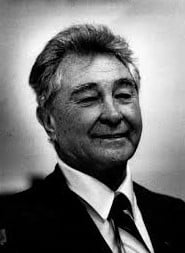
Bobby Wanzer
Inducted:
1987
Player Stats
6 ft 0 in (1.83 m)
170 lb (77 kg)
Born
June 4, 1921
Brooklyn, New York, U.S.
Died
January 23, 2016
Pittsford, New York, U.S.
Position
Point guard
Shooting guard
College
Seton Hall (1942–1943,1946–1947)
Colgate (1943–1944)
Bobby Wanzer was one of the early stars of professional basketball and a pioneer in the guard position. Playing primarily for the Rochester Royals, Wanzer was known for his smooth shooting, leadership, and steady playmaking.
He helped lead the Royals to an NBA championship in 1951 and was a six-time NBA All-Star. Wanzer’s ability to control the offense, distribute the ball, and score efficiently made him one of the most respected guards of his era.
Over his career, Wanzer averaged 11.6 points per game and was recognized for his consistency, defensive skills, and role in establishing professional basketball’s early credibility. He was inducted into the Naismith Memorial Basketball Hall of Fame in 1987.
Wanzer's Awards and Honors
- Inducted into the U.S. Marine Corps Sports Hall of Fame
- 8 Retired by Seton Hall Pirates
- Key guard for the early Rochester Royals dynasty
- Player-coach pioneer
NBA Records
- NBA Champion (1951)
- 5× NBA All-Star (1952–1956)
- 3× All-NBA Second Team (1952–1954)
- NBA Free Throw Percentage Leader (1952)
- First player in NBA history to shoot 90%+ from the FT line
NBA Teams
Rochester Royals (1947–1957)
NBA Draft
1948: 1st round, 10th overall pick
Rochester Royals
Number Worn
9
NBA Stats
Seasons:
9 (1948–1957)
Games Played:
568
Points:
6,924 (12.2 ppg)
Rebounds:
1,979 (4.5 rpg)
Assists:
1,830 (3.2 apg)
Field Goal(%):
39.3
Free Throw(%):
80.2
Playoff Game:
38
"Don't Just Watch the Game—Own the Look!"
Score the hottest drop of the season, from authentic Icon Edition jerseys to the latest sneaker releases and official team hoodies. High-performance gear for the ultimate basketball fan.
Get Your Gear – NBA Official Collection
NBA Hall of Fame
The NBA Hall of Fame, officially known as the Basketball Hall of Fame, is a prestigious institution that honors the greatest figures in the sport of basketball. Each year, the Induction ceremony celebrates legendary players who have made significant impacts on the game. The Hall of Fame class features basketball legends whose remarkable career achievements and iconic moments have defined the sport.
Inductees are recognized for their substantial player contributions, earning various awards and honors throughout their careers. The Hall also pays tribute to retired jerseys and acknowledges the profound impact on the game by highlighting the historic contributions of its members. With a focus on the legacy in basketball, the NBA Hall of Fame continues to celebrate excellence and inspire future generations of players through memorable speeches and recognition in sports.