
Search by the First Name of the HOFers
John Chaney
Inducted:
2001
Player Stats
Born
January 21, 1932
Jacksonville, Florida, U.S.
Died
January 29, 2021
Philadelphia, Pennsylvania, U.S.
Position:
Coach
College:
Temple University
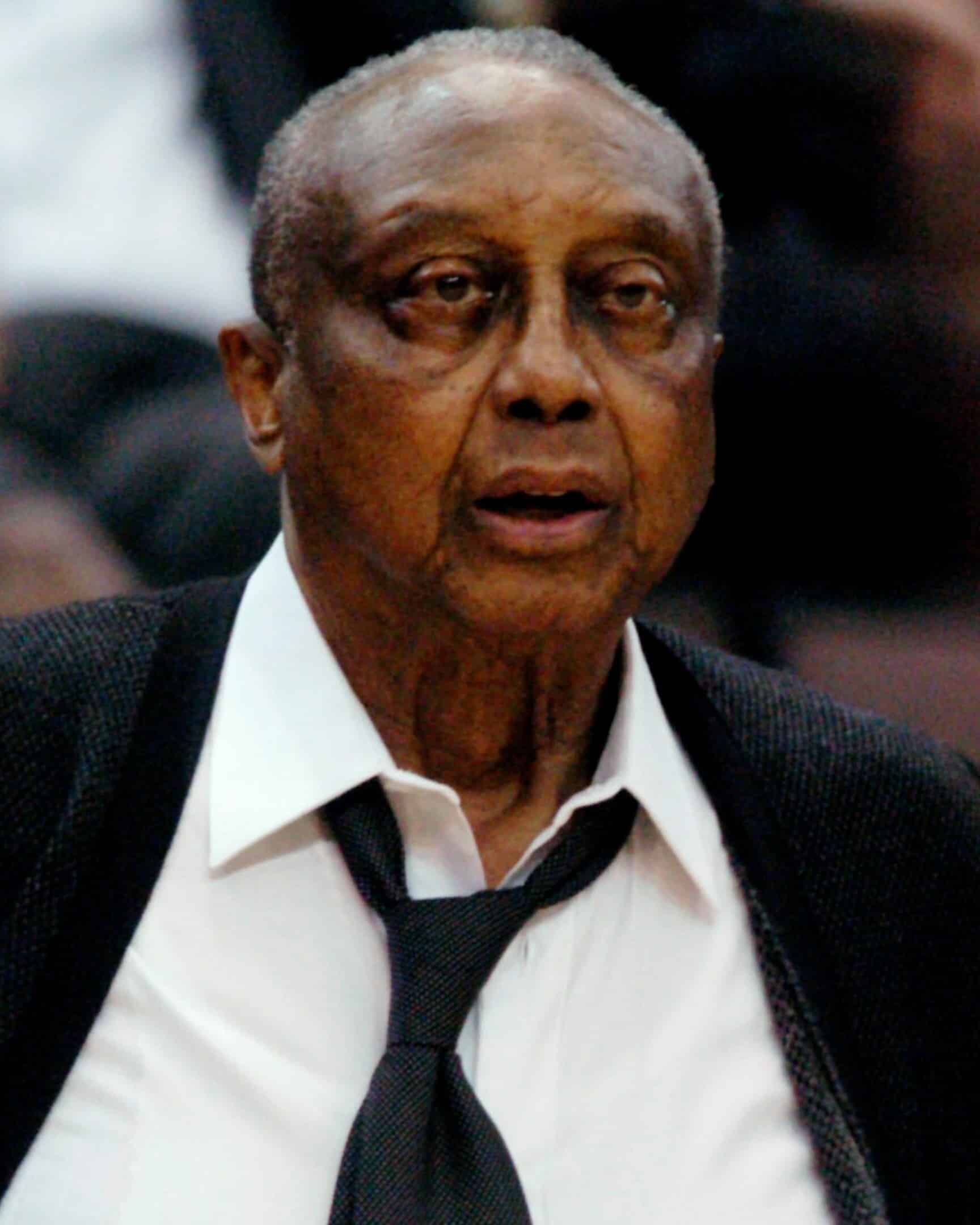
John Chaney was a titan of college basketball, a fierce advocate for student-athletes, and the architect of the modern Temple University basketball legacy. While he is often associated with the NBA due to the high volume of professional stars he produced—most notably Eddie Jones and Aaron McKie—Chaney’s true impact lay in his "life-first" coaching philosophy.
On the court, Chaney was a tactical genius known for his suffocating "matchup zone" defense, which consistently neutralized more athletic opponents. Despite coaching at a school with fewer resources than the "Blue Bloods," he led the Temple Owls to 17 NCAA Tournament appearances and five Elite Eight runs. He was inducted into the Naismith Memorial Basketball Hall of Fame in 2001.
Chaney's Awards and Honors
- College Basketball Hall of Fame (2006)
- NCAA Division II National Champion (1978)
- 5x Atlantic 10 Coach of the Year
- USBWA National Coach of the Year (1987, 1988)
- Philadelphia Big 5 Hall of Fame (2010)
- 5 PSAC regular season (1973, 1976, 1978, 1980, 1982)
- 7 PSAC tournament (1973, 1976–1980, 1982)
- 5x A-10 Coach of the Year (1984, 1985, 1987, 1988, 2000)
NCAA Teams
Temple (1982–2006)
NCAA Stats
Seasons coached:
38
Career coaching record:
741–312
Win (%):
.704
NCAA Division II Title:
1 (1978, Cheyney State)
Elite Eight Appearances:
5 (1988, 1991, 1993, 1999, 2001)
Atlantic 10 Titles:
8 Regular Season / 6 Tournament
NBA Draft Picks Produced:
14 (Graduates of Temple)
National Coach of the Year:
2 (1987, 1988)
John Havlicek
Inducted:
1984
Player Stats
6 ft 5 in (1.96 m)
203 lb (92 kg)
Born
April 8, 1940
Martins Ferry, Ohio, U.S.
Died
April 25, 2019
Jupiter, Florida, U.S.
Position
Small forward
Shooting guard
College
Ohio State (1959–1962)
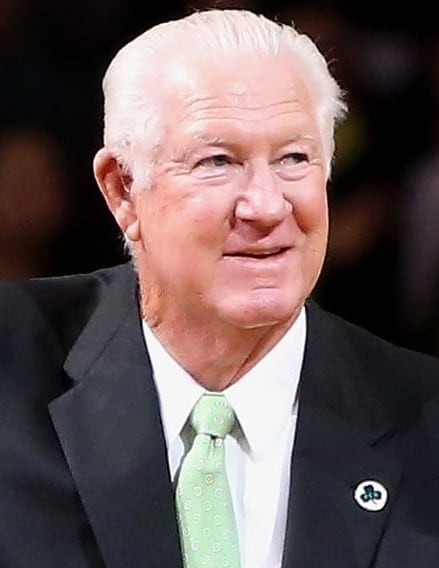
John Havlicek was one of the most complete and durable players in NBA history. Spending his entire 16-year career with the Boston Celtics from 1962 to 1978, he became known for his relentless energy, clutch scoring, and strong defense. Havlicek helped lead the Celtics to eight NBA championships and was a key figure during both the Bill Russell and post-Russell eras.
He was a 13-time NBA All-Star and earned All-NBA honors 11 times. His famous steal in the 1965 Eastern Conference Finals remains one of the most iconic plays in league history. Havlicek retired as the Celtics’ all-time leading scorer and one of the league’s most respected two-way players. He was inducted into the Naismith Memorial Basketball Hall of Fame in 1984, recognizing a career defined by consistency, leadership, and winning.
Havlicek's Awards and Honors
- NCAA champion (1960)
- Consensus second-team All-American (1962)
- Third-team All-American – AP (1961)
- 2× First-team All-Big Ten (1961, 1962)
- 17 retired by Boston Celtics
NBA Records
- 8× NBA champion (1963–1966, 1968, 1969, 1974, 1976)
- NBA Finals MVP (1974)
- 13× NBA All-Star (1966–1978)
- 4× All-NBA First Team (1971–1974)
- 7× All-NBA Second Team (1964, 1966, 1968–1970, 1975, 1976)
- NBA All-Rookie First Team (1963)
- NBA anniversary team (35th, 50th, 75th)
NBA Teams
Boston Celtics (1962–1978)
NBA Draft
1962: 1st round, 7th overall pick
Boston Celtics
Number Worn
17
NBA Stats
Season:
16 (1962–1978)
Games Played:
1,270
Points:
26,395 (20.8 ppg)
Rebounds:
8,007 (6.3 rpg)
Assists:
6,114 (4.8 apg)
Steals:
476 (1.2 spg)
Blocks:
117 (0.3 bpg)
Field Goal(%):
43.9
Free Throw(%):
75.6
John Isaacs
Inducted:
2015

Player Stats
6 ft 3 in (1.91 m)
190 lb (86 kg)
Nationality:
American
Born:
September 15, 1915
Rio Sidra, Panama
Died:
January 26, 2009
Bronx, New York, U.S.
Position:
Guard
College:
NA
John Isaacs, known as “Boy Wonder,” was a pioneering Panamanian-American basketball player who made significant contributions to the sport during its segregated era. Born in Panama in 1915 and raised in Harlem, Isaacs led Textile High School to a New York City championship before joining the New York Renaissance (Rens) in 1936. With the Rens, he helped secure the inaugural World Professional Basketball Tournament title in 1939.
Isaacs later won a second championship with the Washington Bears in 1943. Renowned for his quickness, defensive prowess, and leadership, he introduced the pick-and-roll to the Rens' fast-paced offense. Isaacs played for several teams, including the Dayton Rens, Utica Olympics, and Hazleton Mountaineers. After retiring, he dedicated over 50 years to mentoring youth at the Hoe Avenue Boys & Girls Club in the Bronx.
In 2015, Isaacs was posthumously inducted into the Naismith Memorial Basketball Hall of Fame.
Isaacs' Notable Achievements
- 2× World Professional Basketball Tournament Champion (1939, 1943)
- World Professional Basketball Tournament MVP (1939)
- Known for introducing the pick-and-roll to the Rens' offense
- Key player for championship-caliber teams in segregated professional basketball
- Elite scoring guard, known for fast breaks and clutch performance
- Introduced the pick-and-roll to the Rens’ offense
- Renowned for defense, court vision, and leadership
Teams
New York Rens 1936–1943
Philadelphia Toppers 1941–1942
Washington Bears 1941–1947
Hazleton Mountaineers 1946–1947
Utica Olympics 1947–1949
Brooklyn Gothams 1948–1949
Dayton Rens 1949
Saratoga Harlem Yankees 1950–1951
John Kundla
Inducted:
1995
Coach Stats
6 ft 2 in (1.88 m)
180 lb (82 kg)
Born
July 3, 1916
Star Junction, Pennsylvania, U.S.
Died
July 23, 2017
Minneapolis, Minnesota, U.S.
Position
Coach
College
Minnesota (1936–1939)
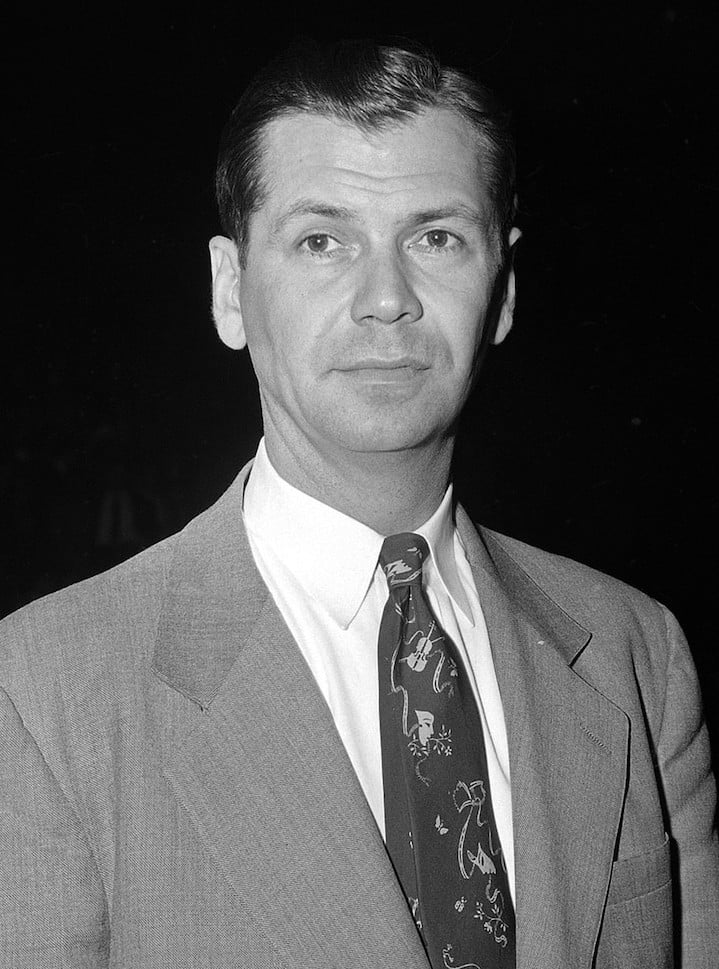
John Kundla was one of the NBA’s first great dynastic coaches and a foundational figure in professional basketball history. His calm leadership and emphasis on fundamentals allowed the Lakers to become the league’s first true powerhouse. His contributions helped establish professional basketball’s credibility and competitive structure.
Kundla’s achievement is unique in sports history: he led the Lakers to six championships across three different leagues (NBL, BAA, and NBA) between 1948 and 1954. He was the first coach to lead a team to three consecutive NBA titles, a "three-peat" feat that wouldn't be repeated for decades. He was inducted into the Hall of Fame in 1995.
Kundla's Awards and Honors
- NBL champion (1948)
- 5× NBA champion (1949, 1950, 1952–1954)
- WPBT champion (1948)
- 4× NBA All-Star Game head coach (1951–1954)
- Top 10 Coaches in NBA History
- NBA 75th Anniversary Team (Top 15 Coaches)
- College Basketball Hall of Fame (2006)
NBA Teams
Minneapolis Lakers (1947–1959)
NBA Stats
Season:
10 (1949-1959)
Games:
725
Win:
423
Lose:
302
NBA/BAA Regular Season %:
.583 (423–302)
Playoff Winning %:
.632 (60–35)
NBA Finals Appearances:
6
NBA/BAA Championships:
5 (1949, 1950, 1952, 1953, 1954)
NBL Championships:
1 (1948)
NBA All-Star Head Coach:
4 (1951–1954)
John McLendon
Inducted:
2016

Coach Stats
Born:
April 5, 1915
Hiawatha, Kansas, U.S.
Died:
October 8, 1999
Cleveland Heights, Ohio, U.S.
Position:
Coach
College:
NA
John McLendon broke barriers and built legacies as a pioneering coach whose influence reached far beyond the court. The first African American head coach in any professional sport, McLendon brought innovation, integrity, and leadership to every program he touched. Known for fast-paced, full-court pressure basketball, he revolutionized the game’s tempo.
McLendon won three consecutive NAIA championships with Tennessee State and later coached professionally with the Cleveland Pipers in the ABL. Though his NBA coaching tenure was brief, his long-term impact on coaching philosophy, integration, and athlete development remains unmatched. He also served as the first Black coach to lead a predominantly white university program.
His career symbolized both excellence and change, earning him multiple Hall of Fame inductions for both his coaching and lifetime contributions to basketball.
McLendon's Awards and Honors
- 3× NAIA Champion (1957–1959)
- 8× CIAA (1941, 1943–44, 1946–47, 1949–50, 1952)
- 2× CIAA conference (1946, 1950)
- Theodore Roosevelt Award (2021)
- Innovator of full-court pressure defense and up-tempo offense
- Presidential Medal of Freedom (posthumous, 2016)
Notable Achievement
- First African American coach in professional sports
- First African American head coach at a predominantly white university
- First coach inducted into the Naismith Hall of Fame twice
NCAA Teams
North Carolina College (1941–1952)
Hampton (1953–1954)
Tennessee A&I (1955–1959)
Cleveland Pipers (1959–1962)
Kentucky State (1964–1966)
Cleveland State (1966–1969)
Denver Rockets (1969)
NCAA Stats
College Coaching Record:
496–179
NAIA National Championships:
3 (1957–1959)
John Nucatola
Inducted:
1978
Referee Stats
Born
November 17, 1907
New York City
Died
May 9, 2000
New York
Position
NBA Referee
College
NA
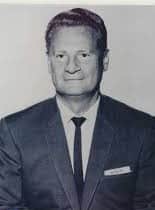
John Nucatola was widely considered the premier basketball official of the mid-20th century, a man whose integrity and mastery of the rulebook earned him the nickname "The Referee's Referee." His career spanned the evolution of the professional game, as he officiated in the BAA (Basketball Association of America) and the NBL (National Basketball League) before becoming a cornerstone of the modern NBA.
John Nucatola was enshrined in the Naismith Memorial Basketball Hall of Fame in 1978 as a referee, marking him as the first inductee recognized primarily for contributions to officiating rather than playing or coaching. His induction highlighted a career spanning decades, during which he officiated over 2,000 basketball games at various levels, including landmark contests like the 1947 NCAA Championship final, the 1950 NBA Finals between the Minneapolis Lakers and Syracuse Nationals, and the 1952 and 1956 Olympic Games.
Nucatola's Awards and Honors
- NBA Supervisor of Officials (1970–1977)
- Recipient of the John Bunn Award for Lifetime Achievement (1975)
- Inducted into the National Italian American Sports Hall of Fame
- One of the founding fathers of the College Basketball Officials Association
- Conducted more than 1,200 clinics worldwide
NBA
NBA referee (1970–1977)
NBA Officials (1946-1959)
NBA Achievements
Games officiated:
2,000+
Playoff Consistency:
18 consecutive NBA/BAA playoff series
NBA All-Star Games:
Officiated the 1952 and 1953 All-Star Games
NCAA Dominance:
Refereed 18 NCAA Tournaments
John Russell
Inducted:
1964
Stats
6 ft 1 in (1.85 m)
175 lb (79 kg)
Born
May 31, 1902
Brooklyn, New York, U.S.
Died
November 15, 1973
Livingston, New Jersey, U.S.
Position
Guard
College
Alexander Hamilton
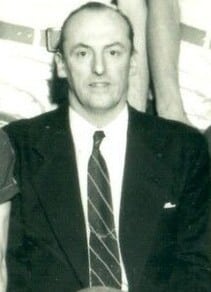
John "Honey" Russell was one of the greatest professional basketball players of the pre-NBA era and one of the finest defensive guards of his generation. Beginning his professional career at just 16 years old, he played more than 3,200 games over 21 seasons while starring for teams such as the Brooklyn Pros, Cleveland Rosenblums, and Chicago Bruins.He also helped the Cleveland Rosenblums win the 1925–26 ABL championship.
Russell earned four American Basketball League All-Star selections and became renowned for his outstanding defense, leadership, and versatility, often serving as a player-coach during his career. His influence extended from the barnstorming era into the early days of organized professional basketball. He was inducted into the Naismith Memorial Basketball Hall of Fame in 1964 as a player.
Russell's Awards and Honor
- 2× ABL champion (1926, 1939)
- 4× ABL All-Star (1926–1929)
- 1925–26 ABL Champion
- Metropolitan League champion with the Brooklyn Pros
- Played professionally for more than 28 years
- More than 3,200 professional games
- Became one of the era's leading defensive players
NBA Position
Original Celtics (1924–1925)
Cleveland Rosenblums (1925–1927)
Chicago Bruins (1926–1930)
Rochester Centrals (1928–1929)
Brooklyn Americans (1931–1933)
New York Jewels (1935–1939)
New York Yankees (1938–1940)
Jersey Number
4, 61
NBA Stats
Professional Career:
1920–1945
Professional Games:
3,200+
Professional Teams:
34+
ABL All-Star:
4
Major ABL Teams:
Cleveland Rosenblums
Chicago Bruins
ABL Championship:
1925–26
John Stockton
Inducted:
2009
Player Stats
6 ft 1 in (1.85 m)
175 lb (79 kg)
Born
March 26, 1962
Spokane, Washington, U.S.
Position:
Point guard
College:
Gonzaga (1980–1984)
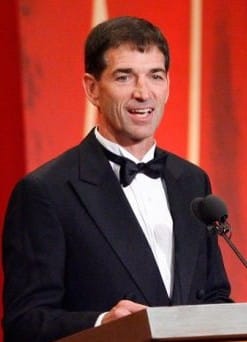
John Stockton is widely regarded as the greatest point guard in NBA history, known for his precision passing, durability, and basketball IQ. Playing his entire 19-year career with the Utah Jazz, Stockton formed one of the most legendary duos in basketball with Karl Malone, leading the Jazz to two NBA Finals appearances. He retired as the all-time leader in both career assists and steals, records that still stand today. Stockton was known for his unselfish style, floor leadership, and consistency, rarely missing games and setting the standard for professionalism.
His impact extended beyond statistics, shaping how the point guard position is defined and influencing generations of players. Stockton’s dedication to team play and winning excellence earned him widespread respect throughout the league. In recognition of his remarkable career and legacy, John Stockton was inducted into the Naismith Memorial Basketball Hall of Fame in 2009.
Stockton's Awards and Honors
- 2x Olympic Gold Medalist (1992, 1996)
- All-time leader in career assists and steals
- Key architect of Utah Jazz’s NBA Finals appearances (1997, 1998)
- One of the most durable and consistent players in NBA history
- 12 retired by Gonzaga Bulldogs
NBA Records
- NBA All-Time Leader in Assists and Steals
- 10x NBA All-Star (1993 All-Star Game Co-MVP)
- 11x All-NBA Selection (2x First Team)
- 5x NBA All-Defensive Second Team
- 9x NBA Assists Leader (1988–1996)
- NBA 75th Anniversary Team member
NBA Teams
Utah Jazz (1984–2003)
NBA Draft
1984: 1st round, 16th overall pick
Utah Jazz
Number Worn
12
NBA Stats
Seasons:
19 (1984–2003)
Games Played:
1,504
Game Started:
1,300
Points:
19,711 (13.1 ppg)
Assists:
15,806 (10.5 apg)
Steals:
3,265 (2.2 spg)
FG %:
51.5%
FT(%):
66.7%
Points per game:
13.1
John Thompson
Inducted:
1999
Coach Stats
6 ft 10 in (2.08 m)
269 lb (122 kg)
Born
September 2, 1941
Washington, D.C., U.S.
Died
August 30, 2020
Arlington County, Virginia, U.S.
Position:
Coach
College:
Providence (1961–1964)
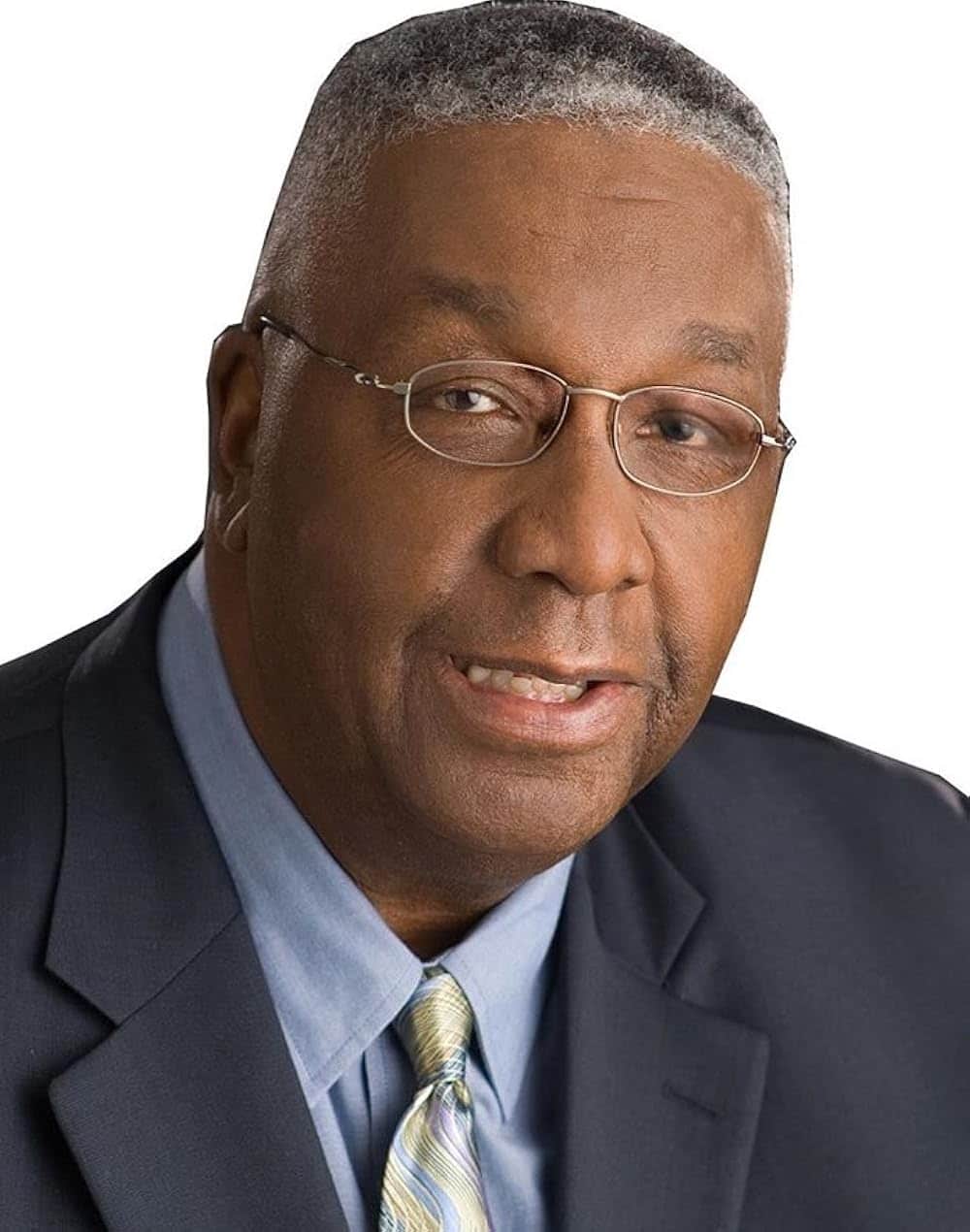
John Thompson was a towering figure in basketball, known for championship success, powerful leadership, and lasting cultural impact. As head coach of Georgetown University, he built the Hoyas into a national force, defined by elite defense, toughness, and discipline. Thompson led Georgetown to the 1984 NCAA championship and multiple Final Four appearances, producing dominant teams that thrived against the nation’s best.
Beyond coaching, Thompson was a strong advocate for player welfare, education, and fairness, using his platform to demand respect for student-athletes. Many of his players went on to long NBA careers, reflecting his ability to prepare athletes for the highest level. His influence extended far beyond wins. John Thompson was inducted into the Naismith Memorial Basketball Hall of Fame in 1999.
Thompson's Awards and Honors
- NCAA National Champion (1984)
- 3x Big East Coach of the Year (1980, 1987, 1992)
- 3x National Coach of the Year (1982, 1984, 1985)
- Olympic Gold Medal (1976, Assistant Coach)
- Olympic Bronze Medal (1988, Head Coach)
- President of the NABC (National Association of Basketball Coaches)
NCAA Teams
Georgetown (1972–1999)
NCAA Stats
Coaching career:
1972–1999
Seasons coached:
27
Career record:
596-239
Winning Percentage:
.714
NCAA Championships:
1 (1984)
Final Four Appearances:
3 (1982, 1984, 1985)
NBA Championships (Player):
2 (1965, 1966)
NBA Draft Picks Produced:
26
John Wooden
Inducted:
1960- As Player
1973- As Coach
Player Stats
5'-10", 183lb (178cm, 83kg)
Born
October 14, 1910
Hall, Indiana, U.S.
Died
June 4, 2010
Los Angeles, California, U.S.
Position
Guard
Coach
College
Purdue University (1929–1932)
Indiana State (1946–1948)
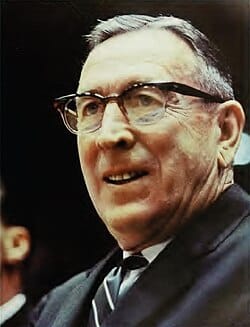
John Wooden is one of basketball's most celebrated figures, achieving Hall of Fame recognition as both a player and a coach. As a player at Purdue University, he was a three-time All-American and led the Boilermakers to a national championship in 1932. His intelligence, leadership, and outstanding fundamentals made him one of the nation's best guards. At UCLA, he built the greatest dynasty in the sport's history, winning 10 NCAA championships in 12 seasons, including seven straight titles from 1967 to 1973.
His emphasis on discipline, teamwork, and preparation inspired generations of players and coaches. Wooden's influence extended far beyond victories through his widely respected Pyramid of Success philosophy. He was inducted into the Naismith Memorial Basketball Hall of Fame as a player in 1960 and as a coach in 1973, becoming the first person honored in both categories.
Wooden's Awards and Honor
As Player
- All-NBL First Team (1938)
- NBL scoring leader (1933)
- 3× Consensus All-American (1930–1932)
- Helms Player of the Year (1932)
- Big Ten Medal of Honor (1932)
As Coach
- 10 NCAA tournament (1964, 1965, 1967–1973, 1975)
- 12 NCAA regional—Final Four (1962, 1964, 1965, 1967–1975)
- 3 PCC tournament (1953–1955)
- 15 Pac-12 regular season (1950, 1952, 1956, 1962–1965, 1967–1975)
- 5x NABC Coach of the Year (1964, 1967, 1969, 1970, 1972)
- 5x AP College Coach of the Year (1967, 1969, 1970, 1972, 1973)
- Sports Illustrated Sportsman of the Year (1972)
NBA Teams
As Player
Indianapolis Kautskys (1932–37,1938-39)
Whiting / Hammond Ciesar All-Americans (1937–1938)
As Coach
UCLA (1948–1975)
NBA Stats
As Player
Game Played:
23
Points:
214
Points per game:
9.3
National Championships:
1 (1932)
As Coach
Coaching career:
1948–1975
Coaching Seasons:
27
Overall Record:
664–162
Winning Percentage:
.804
NCAA Championships:
10
Final Four Appearances:
12
Conference Championships:
19
Joseph Brennan
Inducted:
1975
Player Stats
5 ft 11 in.
Born
November 15, 1900
Brooklyn, New York, U.S.
Died
May 10, 1989
New York, New York, U.S.
Position
Guard
College
NA
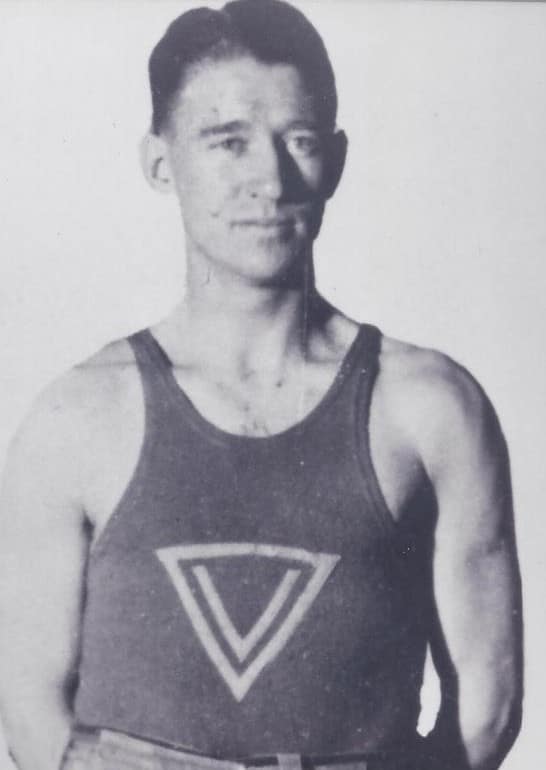
Joseph Brennan was one of the most prolific and accurate scorers of the pre-NBA "pro" era, a star whose career bridged the gap between the rough-and-tumble barnstorming days and the organized leagues of the 1920s and 30s. A 5'11" forward, Brennan was a mainstay of the Brooklyn Visitations, leading them to multiple titles across the Metropolitan League and the original American Basketball League (ABL).
Known for his exceptional shooting range and calm leadership, he was famously nicknamed "Joe" because, in his prime, he was considered the ultimate "pro's pro." He was a dead-eye set-shot artist and a savvy floor general who played over 1,000 professional games before the NBA was even a concept. For his longevity and dominance during basketball’s formative decades, he was inducted into the Basketball Hall of Fame in 1975.
Brennan's Awards and Honors
- ABL Champion (1931, 1935 with Brooklyn Visitations)
- Metropolitan League Champion (Multiple times in the 1920s)
- Naismith Memorial Basketball Hall of Fame (Class of 1975)
- 1,000+ Professional Games Played
- Brooklyn Visitations Captain-Led the team for over a decade
Teams
Brooklyn Visitations (1919–1936)
Stats
Playing career:
1919–1936
Seasons Played:
18
League Championships:
Metropolitan League and the American Basketball League (ABL)
Julius Erving
Inducted:
1993
Player Stats
6 ft 7 in (2.01 m)
200 lb (91 kg)
Born
February 22, 1950
East Meadow, New York, U.S.
Position
Small forward
College
UMass (1969–1971)
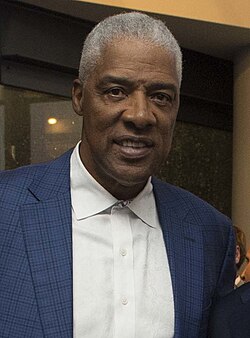
Julius Erving, known worldwide as “Dr. J,” changed the way basketball looked and felt. With his creativity above the rim, smooth athleticism, and competitive edge, Erving helped bring flair and excitement to professional basketball. He first became a superstar in the ABA before seamlessly transitioning to the NBA, where he led the Philadelphia 76ers for more than a decade.
Erving was the centerpiece of the 76ers’ 1983 championship team and a constant presence in the Finals throughout his career. Beyond scoring, he was a complete player who defended, rebounded, and elevated teammates. His style inspired generations of players and helped bridge the ABA–NBA era into modern basketball.
Respected for both excellence and sportsmanship, Erving became one of the game’s most recognizable figures. His historic career was honored with induction into the Naismith Memorial Basketball Hall of Fame in 1993.
Erving's Awards and Honors
- 3× ABA Scoring Champion
- ABA All-Defensive First Team (1976)
- ABA All-Rookie First Team (1972)
- 2× ABA Champion (1974, 1976)
- 3× ABA Most Valuable Player (1974–1976)
- 6 retired by Philadelphia 76ers
NBA Records
- NBA anniversary team (35th, 50th, 75th)
- NBA Champion (1983)
- NBA Most Valuable Player (1981)
- 11× NBA All-Star (1977–1987)
- 5× All-NBA First Team selection
- 2× All-NBA Second Team (1977, 1984)
ABA/NBA Teams
Virginia Squires (1971–1973)
New York Nets (1973–1976)
Philadelphia 76ers (1976–1987)
NBA Draft
1972: 1st round, 12th overall pick
Milwaukee Bucks
Number Worn
32, 6
ABA/NBA Stats
Season Played:
16 (1971–1987)
Game Played:
1,243
Game Started:
823
Points:
30,026 (24.2 ppg)
Rebounds:
10,525 (8.5 rpg)
Assists:
5,176 (4.2 apg)
Block:
1,941 (1.7 bpg)
Steals:
2,272 (2.0 spg)
Field Goal %:
50.6%
Free Throw %:
77.7%
"Don't Just Watch the Game—Own the Look!"
Score the hottest drop of the season, from authentic Icon Edition jerseys to the latest sneaker releases and official team hoodies. High-performance gear for the ultimate basketball fan.
Get Your Gear – NBA Official Collection
NBA Hall of Fame
The NBA Hall of Fame, officially known as the Basketball Hall of Fame, is a prestigious institution that honors the greatest figures in the sport of basketball. Each year, the Induction ceremony celebrates legendary players who have made significant impacts on the game. The Hall of Fame class features basketball legends whose remarkable career achievements and iconic moments have defined the sport.
Inductees are recognized for their substantial player contributions, earning various awards and honors throughout their careers. The Hall also pays tribute to retired jerseys and acknowledges the profound impact on the game by highlighting the historic contributions of its members. With a focus on the legacy in basketball, the NBA Hall of Fame continues to celebrate excellence and inspire future generations of players through memorable speeches and recognition in sports.