College Sports Established
1894
Location
Philadelphia, Pennsylvania
College Name
Temple University
Collegiate History
1973 - Present / NCAA Division 1
1921 - 1973 / University Division of the NCAA
Conference History
2013 - Present / American Athletic Conference
2005 - 2012 / Mid-American Conference
1951 - 2004 / Big East Conference
1955 - 1996 / Philadelphia Big Five
Nickname
Owls - The Temple Owls are a long-standing member of the NCAA and have been a part of college sports since 1932. But where did their nickname, “Owls,” come from?
The story behind the Temple Owls nickname is an interesting one that dates back to 1934 when Raymond E. Johnson became head coach for the football team at Temple University. Johnson had previously served as an assistant coach at Penn State, whose mascot was then known as “the Nittany Lion,” – which inspired him to create his unique mascot for his new team in Philadelphia.
Temple Owls Origin
He wanted something with similar characteristics but different enough to be recognized independently; thus, he chose an owl – representing wisdom and knowledge – as the symbol of his fledgling program. The name was further cemented by local sportswriters who began referring to them simply as ‘the owls’ due to their nighttime practices on campus (which were done so they could avoid traffic).
From there, it wasn't until 1938 that "Temple Owls" officially became its official moniker after being approved by university officials - making them one of only two teams in Division I FBS football still using bird nicknames (alongside Syracuse's Orange). Over time they've become synonymous with excellence both on and off the field - having won 14 conference championships while boasting some impressive alumni, such as former NFL stars Paul Palmer & Raheem Brock, just recently inducted into College Football Hall Fame 2019 class!
So next time you hear someone talk about 'Temple' or 'Owls,' remember: It all started in 1934 when Ray Johnson chose this wise creature to represent what has now become a beloved institution within the collegiate athletics community worldwide!
NCAA Championships
Baseball 0
Men's Basketball 0
Women's Basketball 0
Football 0
Soccer 0
- 1938
- 1977
- 2011
- 2013
- 2016
-
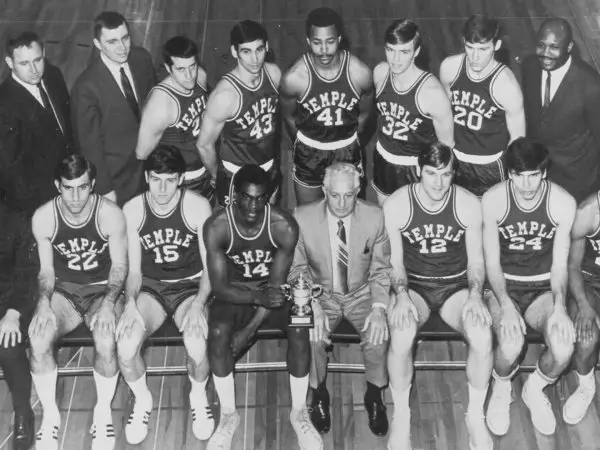
Owls basketball team became the first National Invitation Tournament (NIT) champions
In 1938: The Temple Owls men’s basketball team became the first National Invitation Tournament (NIT) champions, one year before the inception of the NCAA Tournament. -
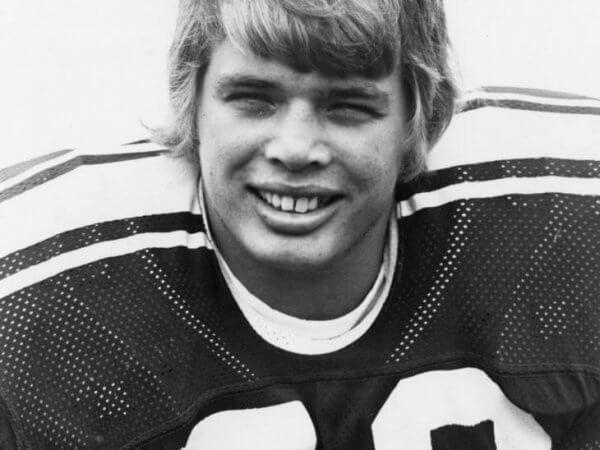
Tackling Machine for Temple’s Joe Klecko
Before going to Temple, and playing under Hall of Fame college coach Wayne Hardin (the former Navy coach who coached two Heisman Trophy winners in Joe Bellino ’60 and Roger Staubach ’63), Klecko played semi-pro football for the Aston (Pennsylvania) Knights of the Seaboard Football League and kept his eligibility by playing under the assumed name “Jim Jones” from the ... -
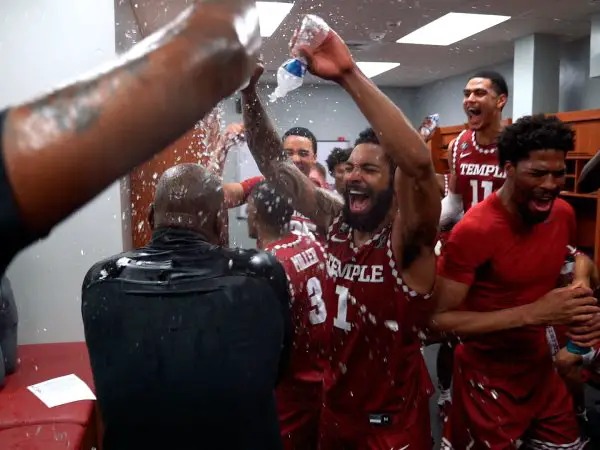
Owls men’s basketball team won its 10th Atlantic 10 Conference tournament title
In 2011: The Temple Owls men’s basketball team won its 10th Atlantic 10 Conference tournament title, the most of any team in the conference history. -
The Temple Owls became a full member of the American Athletic Conference
In 2013: The Temple Owls became a full member of the American Athletic Conference (The American) after the Big East Conference split into two leagues. -
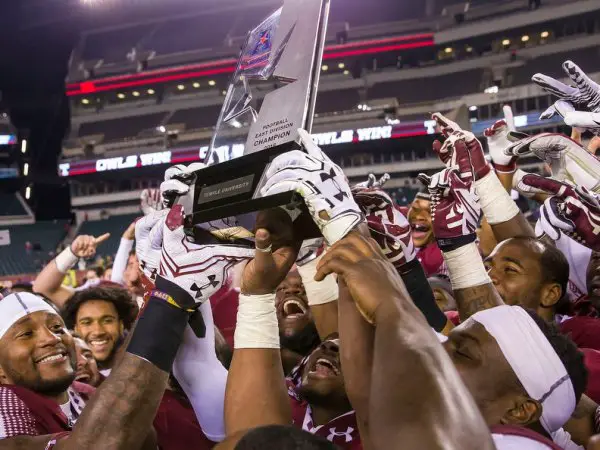
Owls football team won its first conference championship
In 2016: The Temple Owls football team won its first conference championship since 1967 by defeating Navy in the American Athletic Conference Championship Game.
To qualify as the greatest player for this team, the player must have played one season for this team. If not, we will remove the player.
* verifies that player has played for this team as an added player by a fan.
Temple Owls History
The Temple Owls represent Temple University and have one of the oldest athletic traditions in college sports. Founded in 1884 as a night school, Temple adopted the owl as its mascot because students studied late into the night. This symbol of wisdom soon became central to Temple’s identity.
Temple first fielded intercollegiate teams in the 1890s, and early on it competed in regional leagues before moving into higher levels of NCAA competition. The football Temple Owls program grew significantly under coaches like Wayne Hardin, who in the 1970s and early ’80s led the Owls to some of their strongest seasons during that era.
The Temple Owls basketball program has a storied history as well. In 1938, under coach James Usilton, Temple won the first‐ever National Invitation Tournament (NIT), which at the time was a widely respected national competition. The Owls also made two NCAA Final Four appearances in 1956 and 1958 during Harry Litwack’s era, and later became nationally relevant under John Chaney, who led many deep tournament runs.
Temple’s conference affiliations shifted over time. They played in the Big East, Atlantic 10, and since 2013 have been a full member of the American Athletic Conference. Their football Temple Owls team was expelled from the Big East after 2004, played in the MAC briefly, then rejoined the Big East and transitioned into the AAC.
The Temple Owls baseball program existed from 1927 to 2014. It appeared in two College World Series (1972, 1977) and made many NCAA Tournament appearances before being cut.
Achievements of the Owls
In football Temple Owls, notable milestones include strong seasons in the 1970s under Wayne Hardin, podium finishes in patriotic bowl games like the Garden State Bowl in 1979, and winning the American Athletic Conference Championship in 2016.
For Temple Owls basketball, landmark achievements include winning the inaugural NIT in 1938, Final Four trips in 1956 and 1958, and consistent NCAA Tournament appearances especially during the John Chaney era. The team also had nationally ranked seasons and produced several professional players.
Though football Temple Owls and Temple Owls basketball are the headline programs, Temple has earned national titles in women’s lacrosse and gymnastics, and its athletic department has maintained high academic and community standards. These combined successes make the Temple Owls more than just a pair of sports teams—they form a legacy of excellence.
"Gear Up for the Best Seats in the House!"
Whether you're at the tailgate or cheering from the couch, show your true colors with authentic jerseys, sideline polos, and team-inspired street styles. Premium collegiate apparel for the ultimate fan.
Find Your Team – Official NCAA Shop