
Search by the First Name of the HOFers
Eddie Hickey
Inducted:
1979

Stats
Born
December 20, 1902
Reynolds, Nebraska, U.S.
Died
December 5, 1980
Mesa, Arizona, U.S.
Position
Coach
College
NA
Edgar "Eddie" Hickey was a master of the fast break and a strict disciplinarian whose career bridged the gap between the traditional "set play" era and modern, high-speed basketball. While he is celebrated in the Basketball Hall of Fame as a coach, his legendary status was earned entirely in the collegiate ranks at Creighton, Saint Louis, and Marquette.
His 1948 Saint Louis team, featuring Hall of Famer Ed Macauley, captured the NIT Championship, which was at the time considered equal to or more prestigious than the NCAA Tournament. For his tactical innovations and 429 collegiate victories, he was inducted into the Basketball Hall of Fame in 1979.
Hickey's Awards & Honors
- NIT (1948)
- USBWA Coach of the Year (1959)
- Henry Iba Award (1959)
- NABC Coach of the Year (1959)
- 2× Missouri Valley Conference Coach of the Year (1952, 1957)
- 7 MVC (1936, 1941–1943, 1952, 1955, 1957)
- National Collegiate Basketball Hall of Fame (2006)
NBA Position
Creighton (1935–1947)
Saint Louis (1947–1958)
Marquette (1958–1964)
NBA Stats
Career Span:
1935–1964
Wins:
429
Total Losses:
230
Win(%):
.651
National Championships:
1 (NIT 1948)
Conference Titles:
7 Missouri Valley Conference (MVC)
Eddie Sutton
Inducted:
2020

Player Stats
Born:
March 12, 1936
Bucklin, Kansas, U.S.
Died:
May 23, 2020
Tulsa, Oklahoma, U.S.
Position:
Coach
College:
Oklahoma State University
Eddie Sutton (March 12, 1936 – May 23, 2020) was a transformative college basketball coach whose impact spanned nearly four decades. A standout player at Oklahoma A&M under Hank Iba, he launched his coaching career in 1958 and rose from Tulsa Central High to junior college, then to Creighton, Arkansas, Kentucky, Oklahoma State, and finally San Francisco. Sutton became the first coach ever to lead four different Division I programs to the NCAA Tournament, and tallied 806 career wins, ranking him in the top ten all-time.
His Razorbacks guided Arkansas to the 1978 Final Four, and he returned his alma mater, OSU, to the Final Four twice (1995, 2004), along with multiple NCAA appearances and conference titles. A four-time National Coach of the Year, eight-time conference coach of the year, and mentor to NBA players, he left a legacy of resilience, loyalty, and excellence. In 2020, Sutton was posthumously inducted into the Naismith Memorial Basketball Hall of Fame—a fitting capstone to a legendary career .
Sutton's Awards
- 2× AP College Coach of the Year (1978, 1986)
- NABC Coach of the Year (1986)
- Henry Iba Award (1977)
- 4× SWC Coach of the Year (1975, 1977, 1979, 1981)
- SEC Coach of the Year (1986)
- Big Eight Coach of the Year (1993)
- 2× Big 12 Coach of the Year (1998, 2004)
NBA Records
- First coach in NCAA Division I history to take four different schools to the NCAA Tournament
- Only coach to lead both Arkansas and Oklahoma State to the Final Four
- Inducted into the Naismith Memorial Basketball Hall of Fame in 2020
- NCAA Coach of the Year in 1978 and 1986
College Teams
As Coach
Oklahoma State (assistant) 1958–1959
Tulsa Central HS 1959–1966
College of Southern Idaho 1966–1969
Creighton 1969–1974
Arkansas 1974–1985
Kentucky 1985–1989
Oklahoma State 1990–2006
San Francisco (interim) 2007–2008
College Stats
As Coach
Career Wins–Losses
806–329
Winning Percentage
.710
Division I Seasons
37
NCAA Tournament Appearances
26
Final Four Appearances
3
Conference Titles
17
National Coach of the Year:
04 times
Conference Coach of the Year:
08 times
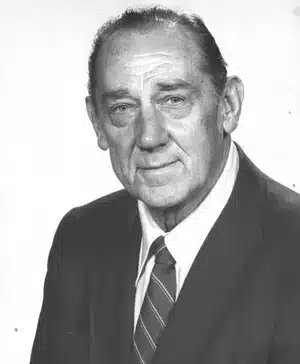
Edward Krause
Inducted:
1976
Stats
Born
February 2, 1913
Chicago, Illinois, U.S.
Died
December 11, 1992
South Bend, Indiana, U.S.
Position
Center
College
University of Notre Dame
Edward "Moose" Krause was a titan of the early 1930s, defined by his immense physical strength and revolutionary post play. A standout at the University of Notre Dame, Krause became the first player in Irish history to be named a three-time consensus All-American. He was a dominant force in the "pivot" position, using his 6'3", 210-pound frame to control the glass and score at will before the inception of the three-second rule.
Although his career predated the NBA, he was a superstar on the AAU and professional barnstorming circuits, playing for teams like the Akron Firestone Non-Skids in the mid-1930s. Krause’s impact was so significant that he was often cited as the reason for several early rule changes designed to limit the dominance of interior players.
For his foundational role as one of the game's first true "power" centers, he was inducted into the Basketball Hall of Fame in 1976.
Krause's Awards & Honors
- Second-team All-American (1932)
- 3× Basketball All-American (1932–1934)
- Walter Camp Man of the Year (1976)
- NFF Distinguished American Award (1989)
- Indiana Basketball Hall of Fame Inductee
- Notre Dame Athletics Director (1949–1981)
NBA Teams
Notre Dame (1931–1934)
NBA Stats
Collegiate Record:
54–12 record over three seasons (1931–1934)
Collegiate Scoring:
Notre Dame's all-time leading scorer
Edward Steitz
Inducted:
1984

Stats
Born
November 7, 1920
Brooklyn, New York
Died
May 21, 1990
Position
Secretary/Editor
College
NA
Edward Steitz was a key figure in shaping modern basketball rules and international competition. Although he was not an NBA player or coach, his influence extended to all levels of the sport, including the professional game. Steitz served as the Secretary-General of the United States Olympic Basketball Committee for more than 40 years, helping guide American teams to consistent international success.
He played an important role in standardizing rules between FIBA and American basketball, which strengthened global competition and improved the structure of the game. His leadership and administrative work left a lasting mark on basketball’s growth worldwide. In recognition of his contributions, Edward Steitz was inducted into the Naismith Memorial Basketball Hall of Fame in 1984.
Steitz's Awards & Honors
- FIBA Hall of Fame (Inducted 2007)
- Founder of the Naismith Memorial Basketball Hall of Fame (1959)
- Conducted over 1,000 rules clinics in dozens of countries to standardize the game globally
- Longtime Secretary-General, U.S. Olympic Basketball Committee
- Major contributor to international rule development
NBA Position
Editor (NCAA Basketball Rules Committee)
NBA Stats
Years as Editor:
1965-1990
Articles Authored:
More than 300
Edwin Henderson
Inducted:
2013

Personal Stats:
5 ft 6 in (1.68 m,60kg)
Born:
November 24, 1883
Washington, D.C., US
Died:
February 3, 1977
Tuskegee, Alabama, US
Position:
Contributor
College:
NA
Edwin Bancroft Henderson (1883–1977), often called the “Father of Black Basketball,” was a pioneering educator, coach, and civil rights advocate whose influence shaped the growth of the sport among African Americans. In the early 1900s, Henderson introduced basketball to African American communities in Washington, D.C., after learning the game at Harvard University’s summer program. He organized and coached teams, created leagues, and promoted basketball as a tool for education, discipline, and community pride.
Henderson also authored influential books and articles on physical education and the benefits of organized sports, helping to open doors for African American athletes in competitive basketball. His work laid the foundation for future generations of players, coaches, and leaders, fostering both athletic opportunity and social progress. Inducted into the Naismith Memorial Basketball Hall of Fame in 2013, Henderson’s legacy extends beyond the court, as he used the game to inspire achievement, break barriers, and promote equality.
Henderson's Awards & Records:
- Naismith Memorial Basketball Hall of Fame inductee (2013)
- Known as the “Father of Black Basketball”
- Founder of early African American basketball leagues
- Advocate for physical education in public schools
Notable Achievements:
- Introduced basketball to African American communities in Washington, D.C.
- Established organized competition for Black athletes in the early 20th century
- Influential writer and educator promoting equality through sports
- Paved the way for African American participation in competitive basketball
NBA Position:
Educator
Coach
Civil Rights Advocate
Career Stats:
Years active:
1904–1950s
Leagues Founded:
- Inter-Scholastic Athletic Association of the Middle Atlantic States
- Washington 12th Street YMCA Basketball League
- Eastern Board of Officials
- Colored Intercollegiate Athletic Association
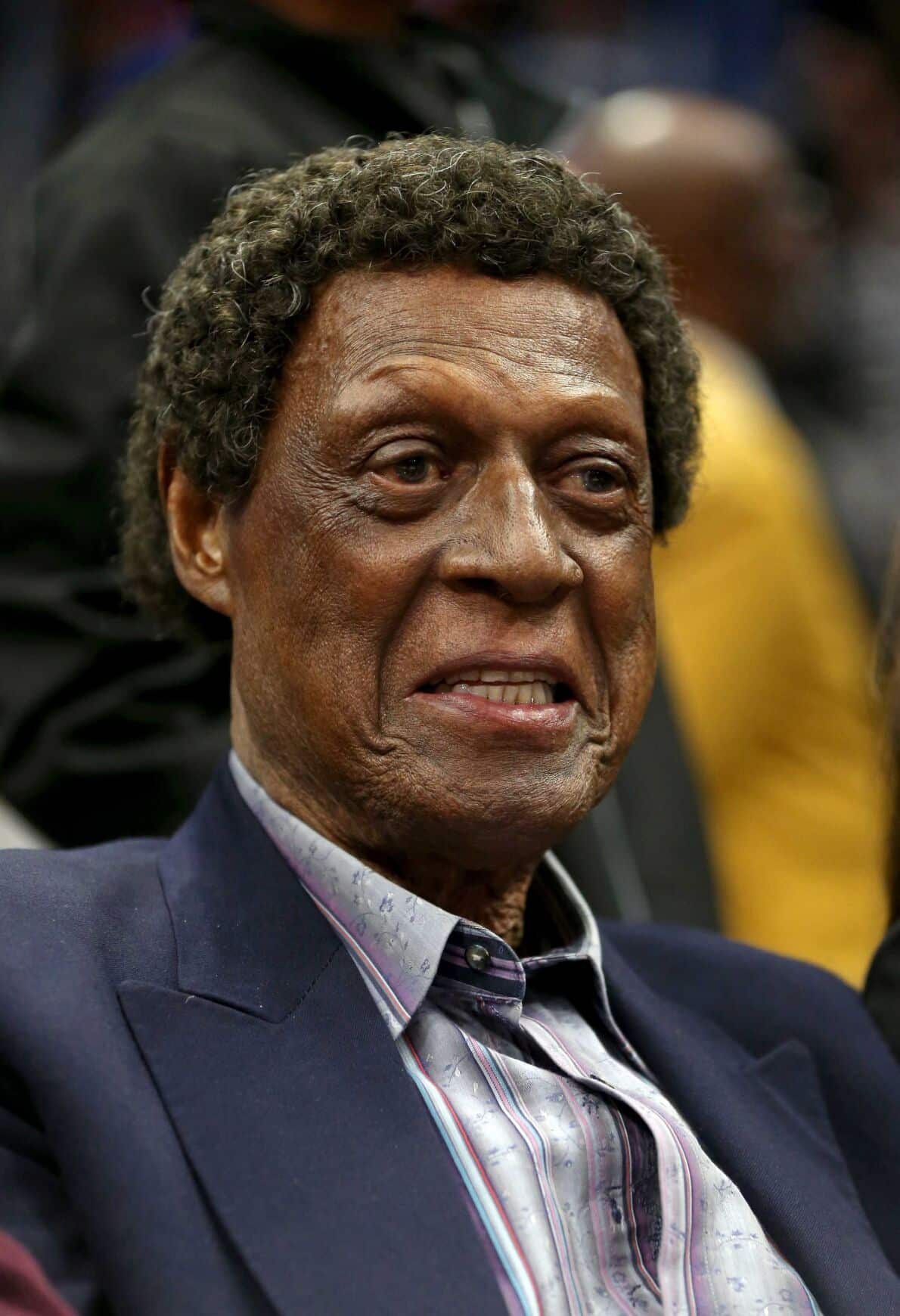
Elgin Baylor
Inducted:
1977
Player Stats
6 ft 5 in (1.96 m)
225 lb (102 kg)
Born
September 16, 1934
Washington, D.C., U.S.
Died
March 22, 2021
Los Angeles, California, U.S.
Position
Small forward
College
College of Idaho (1954–1955)
Seattle (1956–1958)
Elgin Baylor was the NBA's first true aerial artist, a 6'5" forward whose acrobatic playing style transformed the game from a horizontal sport to a vertical one. Known for his incredible "hang time," body control, and creative finishes, Baylor was the bridge between the foundational era and the high-flying age of Julius Erving and Michael Jordan. As the cornerstone of the Minneapolis and Los Angeles Lakers, he was credited with single-handedly saving the franchise from bankruptcy upon his arrival in 1958.
Baylor was a double-double machine who once scored 71 points in a game and still holds the NBA Finals record for most points in a single game (61 points). Despite his individual brilliance, he famously retired just nine games into the 1971–72 season—the same year the Lakers finally broke through to win the championship. He was inducted into the Basketball Hall of Fame in 1977.
Baylor's Awards & Honor
- 11× NBA All-Star (1959–1965, 1967–1970)
- NBA All-Star Game co-MVP[a] (1959)
- 10× All-NBA First Team (1959–1965, 1967–1969)
- NBA Rookie of the Year (1959)
- NBA anniversary team (35th, 50th, 75th)
- 22 retired by Los Angeles Lakers
- NCAA final Four Most Outstanding Player (1958)
NBA Records
- Scored 71 points in a single NBA game
- Averaged 38.3 points per game during the 1961–62 season
- First forward to consistently dominate as a primary scorer and rebounder
NBA Teams
Minneapolis / Los Angeles Lakers (1958–1971)
NBA Draft
1958: 1st round, 1st overall pick
Minneapolis Lakers
Number Worn
22
NBA Stats
Season Played:
14 (1958–1972)
Game Played:
846
Points:
23,149 (27.4 ppg)
Rebounds:
11,463 (13.5 rpg)
Assists:
3,650 (4.3 apg)
Field Goal %:
43.1%
Free Throw %:
78.0%
Point Per Game:
27.4
Elvin Hayes
Inducted:
1990

Player Stats
6 ft 9 in (206 cm)
235 lb (107 kg)
Born
November 17, 1945
Rayville, Louisiana, U.S.
Position
Power forward
Center
College
Houston (1965–1968)
Elvin Hayes was one of the most durable and productive power forwards in NBA history. Selected first overall in the 1968 NBA Draft by the San Diego Rockets (now the Houston Rockets), Hayes made an immediate impact, leading the league in scoring as a rookie.
Nicknamed “The Big E,” Hayes combined scoring ability with relentless rebounding and defensive toughness. After joining the Washington Bullets, he became a cornerstone of the franchise, helping lead the team to three NBA Finals appearances and capturing an NBA championship in 1978.
Over a 16-season career, Hayes averaged 21.0 points and 12.5 rebounds per game and ranks among the NBA’s all-time leaders in points and rebounds. His consistency and longevity defined his Hall of Fame career. Hayes was inducted into the Naismith Memorial Basketball Hall of Fame in 1990.
Hayes's NBA Honors
- Associated Press Player of the Year (1968)
- UPI Player of the Year (1968)
- Sporting News Player of the Year (1968)
- 2× Consensus first-team All-American (1967, 1968)
- 44 retired by Houston Cougars
NBA Records
- NBA champion (1978)
- 12× NBA All-Star (1969–1980)
- 3× All-NBA First Team (1975, 1977, 1979)
- 3× All-NBA Second Team (1973, 1974, 1976)
- 2× NBA All-Defensive Second Team (1974, 1975)
- NBA All-Rookie First Team (1969)
- NBA scoring champion (1969)
- 2× NBA rebounding leader (1970, 1974)
NBA Teams
San Diego / Houston Rockets (1968–1972,1981–1984)
Baltimore / Capital / Washington Bullets (1972–1981)
NBA Draft
1968: 1st round, 1st overall pick
San Diego Rockets
Number Worn
11, 44
NBA Stats
Seasons:
16 (1968–1984)
Games Played:
1,303
Points:
27,313 (21.0 ppg)
Rebounds:
16,279 (12.5 rpg)
Blocks:
1,771 (2.0 bpg)
Steals:
864 (1.0 spg)
Blocks:
1,771 (2.0 bpg)
Field Goal(%):
45.2
Free Throw(%):
67.0
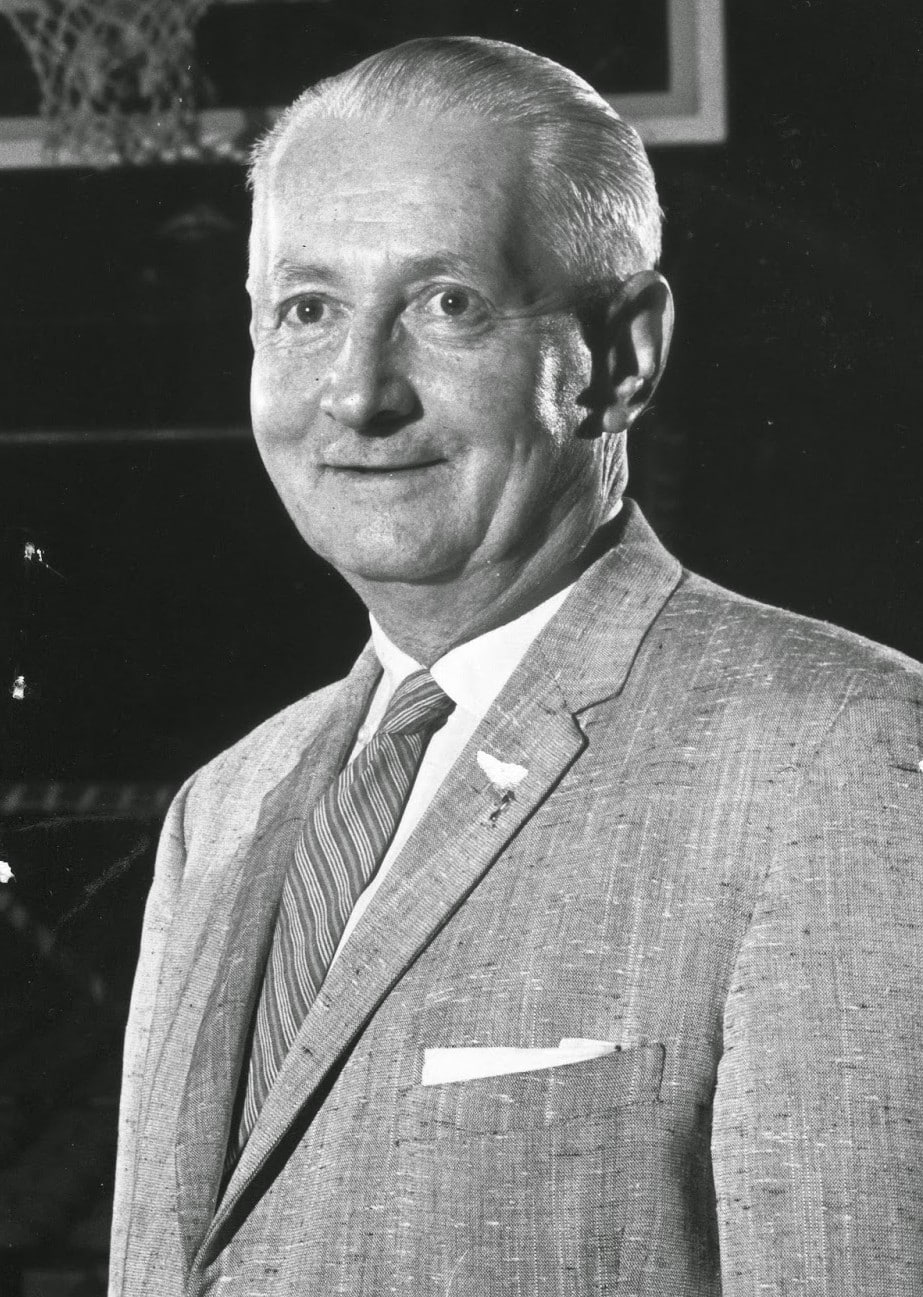
Everett Case
Inducted:
1982
Stats
Born
June 21, 1900
Anderson, Indiana, U.S.
Died
April 30, 1966
Raleigh, North Carolina, U.S.
Position
Coach
College
DePauw University
Everett Case was the transformative figure who turned North Carolina into the "Center of the Basketball Universe." While he never coached in the NBA, his impact on the professional game was structural: he essentially invented the "ACC style" of play—fast-paced, high-scoring, and theatrical—that would eventually produce dozens of NBA stars and coaches. After a legendary high school career in Indiana, Case arrived at NC State in 1946 and immediately revolutionized Southern basketball.
He introduced the post-game net-cutting ceremony, popularized the use of a spotlight during player introductions, and recruited nationally to build a powerhouse. His coaching tree is a "Who's Who" of basketball history, including NBA coaching legend Slick Leonard. For his role as the "Father of ACC Basketball" and his 377 collegiate wins, he was inducted into the Basketball Hall of Fame in 1982.
Case's Awards & Honors
- NCAA Regional—Final Four (1950)
- 6 SoCon (1947–1952)
- 4 ACC tournament (1954–1956, 1959)
- 3× ACC Coach of the Year (1954, 1955, 1958)
- 3× SoCon Coach of the Year (1947, 1949, 1951)
NBA Teams
NC State (1946–1964)
NBA Stats
Wins:
377
Losses:
134
Win(%):
.738
Conference Titles:
10 (6 Southern Conference, 4 ACC)
ACC Tournament Titles:
4 (Won the first three in history)
Final Four Appearances:
1 (1950)
Everett Shelton
Inducted:
1980

Stats
Born
May 12, 1898
Cunningham, Kansas, U.S.
Died
April 16, 1974
Sacramento, California, U.S.
Position
Coach
College
Phillips University
Everett "Ev" Shelton was a master tactician and a driving force in the expansion of basketball across the American West. While your query focuses on the NBA, Shelton’s greatness was primarily established in the collegiate and AAU ranks, where he won over 800 games across a 46-year career. He is most famous for his 19-season tenure at the University of Wyoming, where he led the Cowboys to the 1943 NCAA Championship.
He also experienced significant success in the AAU, leading the Denver Safeways to a national title in 1937. His ability to mold talent—including Hall of Famer Kenny Sailors, the pioneer of the modern jump shot—cemented his legacy as one of the game's greatest teachers. He was inducted into the Basketball Hall of Fame in 1980.
Shelton's Awards & Honors
- NCAA (1943)
- 8 MSC/Skyline (1941, 1943, 1946, 1947, 1949, 1952, 1953, 1958)
- President of the National Association of Basketball Coaches (1960–61)
- Inaugural Inductee, National Collegiate Basketball Hall of Fame (2006)
- Led Wyoming to a 31–2 record in the 1942–43 season
- One of Wyoming’s most successful basketball coaches
NBA Team
Wyoming (1939–1959)
Sacramento State (1959–1968)
NBA Stats
Wins:
328 (Program Record)
Total Losses:
201
Winning Percentage:
.620
NCAA Championships:
1 (1943)
Conference Titles:
8
NCAA Tournament Appearances:
8
Fats Jenkins
Inducted:
2021

Player Stats:
5-7, 165lb (170cm, 74kg)
Born:
January 10, 1898
New York, New York, U.S.
Dead:
December 6, 1968
Philadelphia, Pennsylvania, U.S.
Position:
Guard
Team Captain
College:
NA
Clarence “Fats” Jenkins was one of the greatest athletes of the segregated era and a true pioneer of professional basketball. As captain and star guard of the New York Renaissance (Rens), Jenkins led the all-Black powerhouse through an era of dominance in the 1920s and 1930s.
He was a fast, intelligent floor general known for unselfish passing, smart defense, and unmatched leadership. Under Jenkins’ command, the Rens won thousands of games, including an 88-game winning streak in 1932–33 — one of the most iconic runs in basketball history. He later helped the Rens win the 1939 World Professional Basketball Tournament, defeating the best teams of the era. Jenkins also starred in the Negro Leagues as a baseball outfielder.
In 2019, he was inducted into the Naismith Memorial Basketball Hall of Fame, honoring his legacy as a foundational figure who helped shape Black excellence in sports before the NBA existed.
Jenkins's Awards & Records:
- Captain and guard for the New York Renaissance (Rens)
- Led team to 88-game winning streak in 1932–33
- 1939 World Professional Basketball Tournament Champion
- Known for passing, court awareness, and leadership
- Played during a segregated era when Black teams barnstormed across the U.S.
- Defeated top white teams of the era, including the Original Celtics
Career Teams:
New York Renaissance (1920-39)
Number Worn:
15
Career Stats:
Position
Guard / Team Captain
Games Played
2,000+ (Estimated)
Career Win Percentage
Over 85%
Notable Streak
88 consecutive wins (1932–33 season)
Championships
1939 World Pro Basketball Tournament
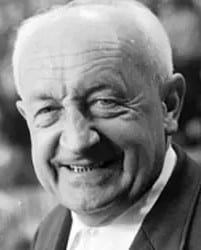
Ferenc Hepp
Inducted:
1981
Stats
Born
3 November 1909
Békés, Hungary
Died
27 November 1980
Position
Contributor
College
NA
Ferenc Hepp, revered as the "Father of Hungarian Basketball," was a monumental figure in the globalization of the sport. His work within FIBA helped bridge the gap between American basketball and the rest of the world. A graduate of Springfield College (the game's birthplace), Hepp utilized his deep understanding of the sport's American roots to standardize and grow the game across Europe.
He was a tireless administrator, serving as the President of the Hungarian Basketball Federation and a long-term member of the FIBA Central Board. Hepp was also a prolific scholar, publishing over 150 articles and an "Olympic Sport Dictionary" in multiple languages to unify basketball terminology worldwide. For his legendary international leadership, he was inducted into the Basketball Hall of Fame in 1981.
Hepp's Awards & Honors
- FIBA Hall of Fame (Inaugural Class, 2007)
- Gold Medal of the Order of the Republic (Hungary, 1948)
- Distinguished Alumni Award from Springfield College (1980)
Frank McGuire
Inducted:
1977
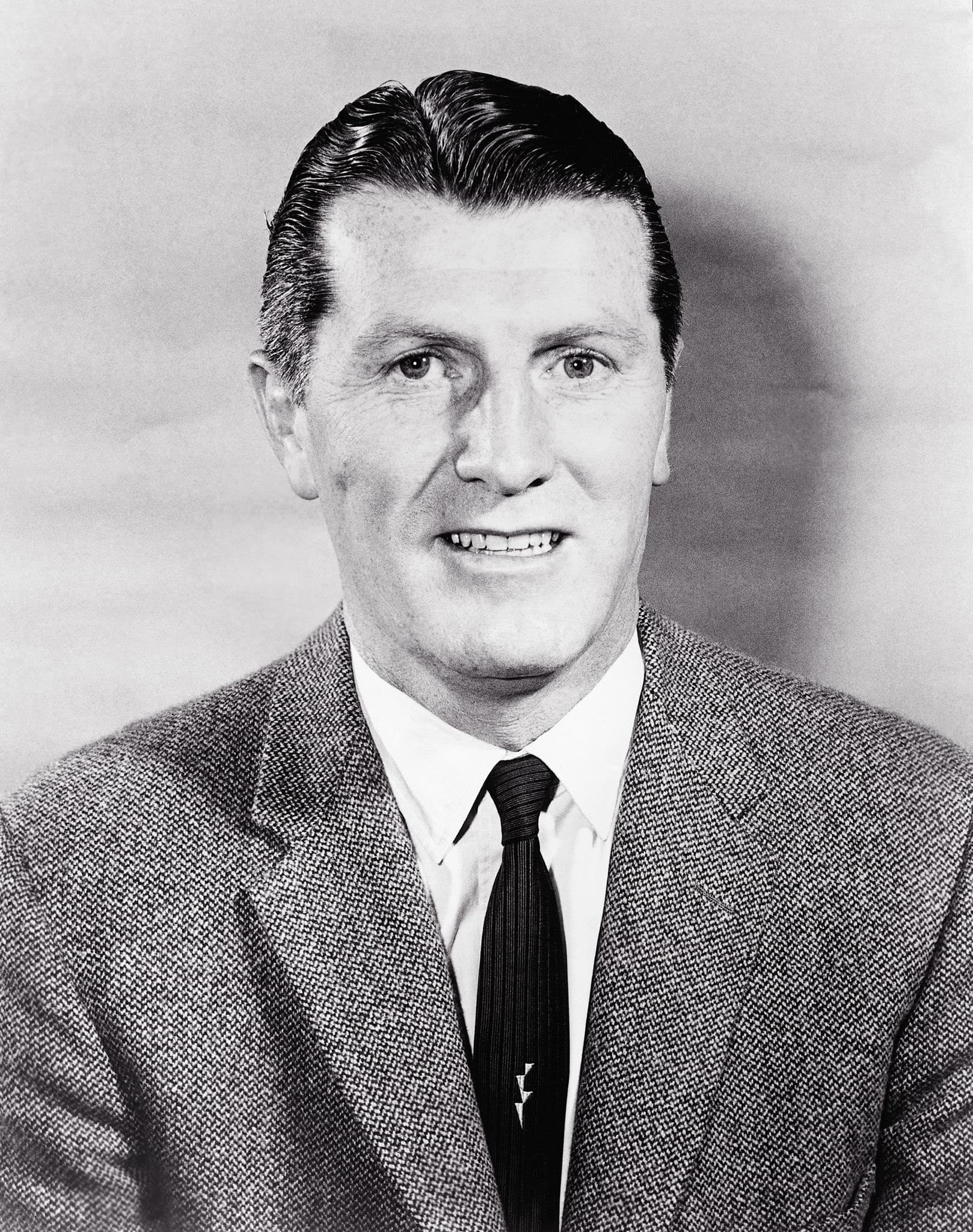
Frank McGuire was a charismatic leader and a master recruiter who successfully navigated the worlds of both collegiate and professional basketball. He is one of the few coaches to find significant success in the NBA while maintaining a legendary status in the NCAA. In the professional ranks, McGuire coached the Philadelphia Warriors during the 1961–62 season, where he guided Wilt Chamberlain through his historic 50.4 points-per-game season and his 100-point game.
In the collegiate world, he is a legend at North Carolina, where he led the Tar Heels to a perfect 32–0 record and the 1957 NCAA Championship, and at South Carolina, where he built the program into an ACC powerhouse. For his tactical versatility and his ability to inspire greatness across multiple levels of the game, he was inducted into the Basketball Hall of Fame in 1977.
McGuire's Awards & Records
- NCAA University Division tournament (1957)
- 2 NCAA Regional—Final Four (1952, 1957)
- 6 ACC regular season (1956, 1957, 1959–1961, 1970)
- 2 ACC tournament (1957, 1971)
- 3× ACC Coach of the Year (1957, 1968, 1969)
- National Coach of the Year (1957)
- Consensus National Coach of the Year (1957)
- NBA Eastern Division Finals appearance (1962)
NBA Teams
St. John's (1947–1952)
North Carolina (1952–1961)
Philadelphia Warriors (1961–1962)
South Carolina (1964–1980)
NBA Stats
Coaching career:
1961-1962
Game Coached:
80
Wins:
49
Losses:
31
Win(%):
.613
Collegiate Wins:
550
Collegiate Losses:
235
NCAA Championships:
1 (1957)
Conference Titles:
1 ACC (1957), 1 ACC Tournament (1971)
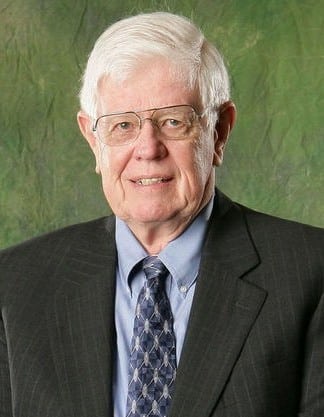
Frank Ramsey
Inducted:
1982
Player Stats
6 ft 3 in (1.91 m)
190 lb (86 kg)
Born
July 13, 1931
Corydon, Kentucky, U.S.
Died
July 8, 2018
Madisonville, Kentucky, U.S.
Position
Small forward
Shooting guard
College
Kentucky (1950–1954)
Frank Ramsey was one of the NBA’s first and most celebrated “sixth men,” excelling as a versatile forward for the Boston Celtics from 1954 to 1964. Known for his scoring, smart defense, and team-first mindset, Ramsey played a key role in the Celtics’ dynasty, helping the team win seven NBA championships. His ability to come off the bench and provide instant offense set a standard for future NBA role players.
Ramsey was a four-time NBA All-Star and consistently contributed in both scoring and rebounding while embracing a team-oriented style. He retired with over 8,000 points and 3,000 rebounds, leaving a lasting legacy as a pioneer of the sixth-man role. Ramsey was inducted into the Naismith Memorial Basketball Hall of Fame in 1982, recognizing his critical contributions to Boston’s championship success and the evolution of team play.
Ramsey's Awards & Honors
- NCAA champion (1951)
- Consensus second-team All-American (1954)
- Second-team All-American – AP, UPI (1952)
- Third-team All-American – AP, UPI (1951)
- 3× All-American (1951, 1952, 1954)
- 23 retired by Boston Celtics
NBA Records
- 7× NBA champion (1957, 1959–1964)
- NBA 25th Anniversary Team (Finalist)
NBA Teams
Boston Celtics (1954–1955,1956–1964)
NBA Draft
1953: 1st round, 5th overall pick
Boston Celtics
Number Worn
23
NBA Stats
Season:
9 (1954-1964)
Games Played:
623
Points:
8,378 (13.4 ppg)
Rebounds:
3,410 (5.5 rpg)
Assists:
1,134 (1.8 apg)
Field Goal %:
39.9%
Free Throw %:
84.1%
Playoff Game:
98
Fred Taylor
Inducted:
1986

Stats
Born
December 3, 1924
Zanesville, Ohio, U.S.
Died
January 6, 2002
Columbus, Ohio, U.S.
Position
Coach
College
NA
Fred Taylor was the architect of the greatest era in Ohio State basketball history and one of the most respected figures in the collegiate game. Taylor is celebrated exclusively for his 18-season tenure as the head coach of the Buckeyes, where he became the first coach in NCAA history to lead a team to three consecutive Final Four appearances (1960–1962). Taylor was a master recruiter and tactician who emphasized fundamentals, conditioning, and unselfish play.
His 1960 squad, featuring future Hall of Famers Jerry Lucas and John Havlicek (as well as a young reserve named Bobby Knight), is widely considered one of the most dominant teams in the history of the sport, winning the National Championship with an average margin of victory of nearly 20 points. For his extraordinary leadership and three-decade commitment to the game, he was inducted into the Basketball Hall of Fame in 1986.
Taylor' Awards & Honors
- NCAA Division I (1960)
- 4× NCAA Division I Regional—Final Four (1960–1962, 1968)
- 7× Big Ten (1960–1964, 1968, 1971)
- 2 Henry Iba Award (1961, 1962)
- Only Big Ten coach to win five consecutive conference titles (1960–1964)
- Inducted into the Ohio Basketball Hall of Fame (2006)
NBA Teams
Ohio State (1958–1976)
NBA Stats
Total Wins:
297
Total Losses:
158
Winning Percentage:
.653
NCAA Tournament Appearances:
5
Final Four Appearances:
4
NCAA Championships:
1 (1960)
Big Ten Titles:
7
Fred Zollner
Inducted:
1999

Stats
Born
January 22, 1901
Little Falls, Minnesota
Died
June 21, 1982
North Miami, Florida
Position:
Team Owner
College:
University of Minnesota
Fred Zollner, widely known as "Mr. Pro Basketball," was a titan of industry and a founding father of the modern NBA. As the owner of the Zollner Corporation, a top-tier manufacturer of automotive pistons, he founded the Fort Wayne Zollner Pistons in 1941.
Zollner was not just an owner; he was a visionary who bankrolled other teams to keep the National Basketball League (NBL) afloat during World War II and eventually brokered the historic merger between the NBL and the BAA to form the NBA in 1949—a deal famously negotiated around his kitchen table.
In 1957, he moved his franchise to Detroit to align with the heart of the automotive industry, where they became the Detroit Pistons. He was inducted into the Hall of Fame as a contributor in 1999.
Zollner's Awards and Honors
- 2x NBL Champion (1944, 1945)
- 3x World Professional Basketball Tournament Champion (1944–1946)
- Michigan Sports Hall of Fame (1976)
- Zollner Western Conference Trophy (Named in his honor)
- USA Softball Hall of Fame (For his world-champion fast-pitch teams)
NBA Team
Fort Wayne Zollner Pistons/Detroit Pistons (1941–1961)
NBA Stats
Founded Zollner Pistons:
1941
NBL Championships:
1944, 1945
The Merger Broker:
1949
Air Travel Pioneer:
1952
Move to Detroit:
1957
"Mr. Pro Basketball":
1975
"Don't Just Watch the Game—Own the Look!"
Score the hottest drop of the season, from authentic Icon Edition jerseys to the latest sneaker releases and official team hoodies. High-performance gear for the ultimate basketball fan.
Get Your Gear – NBA Official Collection
NBA Hall of Fame
The NBA Hall of Fame, officially known as the Basketball Hall of Fame, is a prestigious institution that honors the greatest figures in the sport of basketball. Each year, the Induction ceremony celebrates legendary players who have made significant impacts on the game. The Hall of Fame class features basketball legends whose remarkable career achievements and iconic moments have defined the sport.
Inductees are recognized for their substantial player contributions, earning various awards and honors throughout their careers. The Hall also pays tribute to retired jerseys and acknowledges the profound impact on the game by highlighting the historic contributions of its members. With a focus on the legacy in basketball, the NBA Hall of Fame continues to celebrate excellence and inspire future generations of players through memorable speeches and recognition in sports.