

Search by the First Name of the HOFers
Val Ackerman
Inducted:
2021

Val Ackerman is a pioneering sports executive best known as the founding president of the WNBA, where she led the league from its launch in 1996 through 2005. A former standout basketball player at the University of Virginia, Ackerman went on to work for USA Basketball and the NBA before becoming the face of professional women’s basketball.
Under her leadership, the WNBA debuted in 1997 and quickly became a cornerstone of women’s sports, thanks to her vision, tireless advocacy, and commitment to player development and league stability. After the WNBA, she served as President of USA Basketball and later became the first commissioner of the Big East Conference.
Ackerman’s legacy includes groundbreaking contributions to basketball governance, gender equity in sports, and global promotion of the game. She was inducted into the Naismith Memorial Basketball Hall of Fame in 2021.
Ackerman's Awards and Records
- Naismith Memorial Basketball Hall of Fame Inductee (2021)
- Women’s Basketball Hall of Fame Inductee (2011)
- USA Basketball Edward S. Steitz Award
- WBCA Jostens-Berenson Lifetime Achievement Award
- Sporting News “100 Most Powerful People in Sports”
- Title IX Trailblazer in collegiate and professional sports
- Board Member, Basketball Hall of Fame and Knight Commission
Career
Founding President
WNBA (1996–2005)
President
USA Basketball (2005–2008)
Commissioner
Big East Conference (2013–Present)
NCAA Stats
As a Player
College:
University of Virginia
Games Played:
122
Points:
1,485
Honors:
4-year starter, All-ACC, Academic All-American
Notable:
One of the first female scholarship athletes at UVA
Van Chancellor
Inducted:
2007

Coach Stats
Born
September 27, 1943
Louisville, Mississippi, U.S.
Position
Coach
College:
University of Mississippi
Van Chancellor is the legendary architect of the first professional basketball dynasty of the modern era. While he never coached in the NBA, he is the most decorated coach in WNBA history, leading the Houston Comets to the league's first four consecutive championships (1997–2000). His Comets teams, led by the "Big Three" of Cynthia Cooper, Sheryl Swoopes, and Tina Thompson, dominated the early years of the league with a combination of defensive intensity and high-IQ offensive sets.
Before his professional success, Chancellor spent 19 seasons as the head coach at Ole Miss, where he turned the Lady Rebels into a national power with 14 NCAA tournament appearances. He later returned to the college ranks to lead LSU to a Final Four in 2008. On the international stage, he maintained a perfect 38–0 record as the head coach of Team USA, securing a gold medal at the 2004 Athens Olympics. He was inducted into the Naismith Memorial Basketball Hall of Fame in 2007.
Chancellor's Awards and Honors
- Women’s Basketball Hall of Fame (2001)
- 3x WNBA Coach of the Year
- 4x WNBA Champion
- 3x SEC Coach of the Year (1987, 1990, 1992)
- WNBA All-Decade Team Coach (2006)
- 2025 Houston Sports Hall of Fame Inductee
- Architect of the WNBA’s first dynasty
- Olympic silver medalist as head coach
WNBA Team
Houston Comets (1997–2006)
WNBA Stats
WNBA Championships:
4 (1997, 1998, 1999, 2000)
WNBA Career Record:
211–111 (.655)
NCAA Career Record:
530–195 (.731)
Olympic Gold Medals:
1 (2004 - Head Coach)
WNBA Coach of the Year:
3 (1997, 1998, 1999)
USA Basketball Record:
38–0 (Perfect)
Olympic medals (as coach):
Silver (1996)
Vern Mikkelsen
Inducted:
1995

Player Stats
6 ft 7 in (2.01 m)
230 lb (104 kg)
Born
October 21, 1928
Parlier, California, U.S.
Died
November 21, 2013
Wayzata, Minnesota, U.S.
Position
Power forward
College
Hamline (1945–1949)
Arild Verner Agerskov "Vern" Mikkelsen, often called "The Great Dane," was the iron-willed enforcer of the Minneapolis Lakers' dynasty. Standing 6'7" and weighing 230 lbs, Mikkelsen is widely credited as one of the NBA's first true power forwards. Initially a center at Hamline University, he successfully transitioned to the forward spot to play alongside George Mikan, forming a terrifying frontcourt that also featured Jim Pollard.
Mikkelsen was a model of durability and ruggedness, playing in 699 of a possible 704 games during his 10-season career. While he was a ferocious rebounder and an elite interior scorer—becoming just the sixth player in NBA history to reach 10,000 career points—he was also known for his physical toll on the game, holding the NBA record for most career disqualifications (127 fouling outs). He was inducted into the Hall of Fame in 1995.
Mikkelsen's Awards and Honors
- 4× NBA champion (1950, 1952–1954)
- 6× NBA All-Star (1951–1953, 1955–1957)
- 4× All-NBA Second Team (1951–1953, 1955)
- 19 honored by Los Angeles Lakers
- Collegiate Basketball Hall of Fame (2006)
- NAIA National Champion (1949)
NBA Teams
Minneapolis Lakers (1949–1959)
BAA draft
1949: territorial pick
Minneapolis Lakers
Number Worn
19
NBA Stats
Seasons:
10 (1949–1959)
Games Played:
699
Points:
10,063 (14.4 ppg)
Rebounds:
5,940 (9.4 rpg)
Assists:
1,515 (2.2 apg)
Field Goal %:
40.3%
Points per game:
14.4
NBA Championships:
4 (1950, 1952, 1953, 1954)
All-Star Selections:
6 (1951–1953, 1955–1957)
All-NBA Second Team:
4 (1951–1953, 1955)
Victor Hanson
Inducted:
1960
Stats
6-0, 165lb (183cm, 75kg)
Born
July 30, 1903
Sacramento,California
Died
April 10, 1982
Minoa,New York
Position
Forward
College
Syracuse University
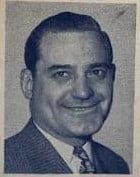
Victor Hanson stands as one of the most versatile and celebrated multi-sport athletes in American college sports history. Playing for Syracuse University from 1924 to 1927, Hanson led the basketball team to a remarkable record during his three-year varsity career. A three-sport college athlete, he played football, basketball, and baseball at Syracuse University in the 1920s, serving as team captain in all three sports. Following college, he played professional basketball briefly for the Syracuse All-Americans.His legendary collegiate scoring dominance and leadership earned him dual honors across major sports bodies. Victor Hanson was inducted into the Naismith Memorial Basketball Hall of Fame as a player in 1960.
Hanson's Awards and Honor
- 3× All-American (1925, 1926, 1927)
- Helms Foundation Player of the Year (1927)
- Helms Foundation National Champion (1926 - Syracuse)
- No. 8 retired by Syracuse Orange
NBA Teams
Syracuse University (1924–1927)
Cleveland Rosenblums
NBA Records
Career/Tenor:
1924–1927
Overall Record (Player):
48–7
Winning Percentage:
.873
National Championship:
1926
Vince Carter
Inducted:
2024

Player Stats
Stats:
6 ft 5 in (1.96 m)
220 lb (100 kg)
Born:
January 26, 1977
Daytona Beach, Florida, U.S.
Position:
Shooting guard /
small forward
College:
North Carolina (1995–1998)
Vince Carter was one of the most electrifying players in NBA history, known for his incredible dunking ability, longevity, and scoring prowess. Drafted fifth overall in 1998 by the Golden State Warriors and traded to the Toronto Raptors, Carter quickly became a global sensation. His high-flying dunks, particularly his legendary performance in the 2000 Slam Dunk Contest, earned him the nickname "Vinsanity."
Beyond his highlight-reel plays, Carter was a versatile scorer who adapted his game over his 22-season career—the longest in NBA history.
An eight-time All-Star, he played a key role in popularizing basketball in Canada during his time with the Raptors. Carter remained a respected veteran leader, mentoring young players while continuing to contribute on the court well into his 40s.
His influence on the game, particularly his combination of athleticism and skill, cements his legacy as one of the most beloved players in NBA history.
Carter's Awards and Honors
- 8× NBA All-Star (2000–2007)
- All-NBA Second Team (2001)
- All-NBA Third Team (2000)
- NBA Rookie of the Year (1999)
- NBA All-Rookie First Team (1999)
- NBA Slam Dunk Contest champion (2000)
- NBA Twyman-Stokes Teammate of the Year Award (2016)
- NBA Sportsmanship Award (2020)
- Consensus second-team All-American (1998)
- First-team All-ACC (1998)
- Third-team All-ACC (1997)
- 15 honored by North Carolina Tar Heels
- 15 retired by Toronto Raptors
- 15 retired by Brooklyn Nets
- First-team Parade All-American (1995)
- McDonald's All-American (1995)
- Florida Mr. Basketball (1995)
NBA Teams
Toronto Raptors 1998–2004
New Jersey Nets 2004–2009
Orlando Magic 2009–2010
Phoenix Suns 2010–2011
Dallas Mavericks 2011–2014
Memphis Grizzlies 2014–2017
Sacramento Kings 2017–2018
Atlanta Hawks 2018–2020
NBA draft:
1998: 1st round, 5th overall pick
Golden State Warriors
Numbers Worn:
15, 25
NBA Stats
Seasons:
22
Games Played:
1,541
Points:
25,728 (16.7 PPG)
Rebounds:
6,606 (4.3 rpg)
Assists:
4,714 (3.1 apg)
Blocks:
888 (0.6 bpg)
Steals:
1,530 (Avg 1.0)
FG%
47.7
FT%
60.0
Three-Point(%)
37.1%
Vlade Divac
Inducted:
2019

Player Stats
7 ft 1 in (2.16 m)
260 lb (118 kg)
Born:
February 3, 1968
Prijepolje, SR Serbia, SFR Yugoslavia
Position:
Center
College:
NA
Vlade Divac (b. 1968) is one of basketball’s true pioneers, bridging European and NBA styles. At 7'1", the Serbian center showcased rare passing vision, soft touch, and all-around skills in a 16-season NBA career. Drafted by the Lakers in 1989, he helped lay groundwork for international players in the league. Divac was an NBA All-Star (2001) and earned All-Rookie First Team honors after his debut season.
He ranked among the most versatile big men ever, crossing milestones with over 13,000 points, 9,000 rebounds, 3,000 assists, and 1,500 blocks. Abroad, he was a two-time FIBA World Champion and three-time EuroBasket gold medalist. Post-retirement, Divac served as Kings GM and led humanitarian efforts through his foundation. Honored by the FIBA Hall of Fame in 2010 and Naismith Hall in 2019, his legacy spans excellence, innovation, and cultural impact.
Divac's Awards and Honors
- NBA All-Star (2001)
- NBA All-Rookie First Team (1990)
- 21 retired by Sacramento Kings
- FIBA Korać Cup champion (1989)
- Yugoslav League champion (1987)
- Yugoslav Cup winner (1989)
- Mister Europa Player of the Year (1989)
- FIBA's 50 Greatest Players (1991)
- FIBA All-Time EuroStars Team (2007)
- 50 Greatest EuroLeague Contributors (2008)
- Olympic Order (2016)
- Naismith Memorial Basketball Hall of Fame: 2019
- EuroBasket Gold: 1989, 1991, 1995
- Olympic Silver Medalist: 1988, 1996
NBA Teams
Los Angeles Lakers 1989–1996
Charlotte Hornets 1996–1998
Crvena Zvezda 1999
Sacramento Kings 1999–2004
Los Angeles Lakers 2004–2005
NBA Draft:
1989: 1st round, 26th overall pick
Los Angeles Lakers
Number Worn:
12, 21
NBA Stats
Seasons
16 (1989–2005)
Games Played
1,134
Points
13,398 (11.8 ppg)
Rebounds
9,326 (8.2 rpg)
Assists
3,563* (~3.1 apg)
Blocks
1,631 (~1.4 bpg)
Field Goal %
49.5%
NBA All-Star
1 (2001)
All-Rookie Team
1989–90
Walt Bellamy
Inducted:
1993

Player Stats
6 ft 11 in (2.11 m)
225 lb (102 kg)
Born
July 24, 1939
New Bern, North Carolina, U.S.
Died
November 2, 2013
College Park, Georgia, U.S.
Position
Center
College
Indiana (1958–1961)
Walt Bellamy was a dominant force from the moment he stepped onto an NBA court, producing one of the greatest rookie seasons in basketball history. As the first overall pick in 1961, he immediately made his mark by averaging over 31 points and 19 rebounds per game. A mobile and powerful center, Bellamy was known for his incredible efficiency and durability, playing at least 70 games in thirteen consecutive seasons.
His career spanned 14 years across several franchises, including the Baltimore Bullets, New York Knicks, and Atlanta Hawks. Before entering the professional ranks, he helped lead the United States to an Olympic gold medal in 1960. By the time he retired, he was one of the few elite players to surpass the 20,000-point and 14,000-rebound milestones. His consistent excellence as a premier big man earned him a place in the Basketball Hall of Fame in 1993.
Bellamy's Awards and Honors
- Consensus second-team All-American (1961)
- First-team All-American – USBWA (1960)
- Second-team All-American – NEA (1960)
- Third-team All-American – UPI (1960)
- Averaged 20+ points for multiple seasons
NBA Records
- 4× NBA All-Star (1962–1965)
- NBA Rookie of the Year (1962)
- NBA Field Goal Percentage Leader (1962)
- Ranked among NBA career leaders in points and rebounds
NBA Teams
Chicago Packers / Zephyrs / Baltimore Bullets (1961–1965)
New York Knicks (1965–1968)
Detroit Pistons (1968–1970)
Atlanta Hawks (1970–1974)
New Orleans Jazz (1974)
National Team
United States
NBA Draft
1961: 1st round, 1st overall pick
Chicago Packers
Number Worn
8
NBA Stats
Seasons:
14 (1961–1975)
Game Played:
1,043
Points:
20,941 (20.1 ppg)
Rebounds:
14,241 (13.7 rpg)
Assists:
2,544 (2.4 apg)
Steal:
52
Blocks:
48
Field Goal(%):
51.6
Free Throw(%):
63.2
Walt Frazier
Inducted:
1987

Player Stats
6 ft 4 in (1.93 m)
200 lb (91 kg)
Born
March 29, 1945
Atlanta, Georgia, U.S.
Position
Point guard
College
Southern Illinois (1963–1967)
Walt “Clyde” Frazier was the floor general and defensive catalyst behind the championship success of the New York Knicks in the early 1970s. Known for his smooth style, clutch performances, and elite perimeter defense, Frazier helped lead the Knicks to NBA titles in 1970 and 1973.
His performance in Game 7 of the 1970 NBA Finals remains legendary — 36 points and 19 assists to secure the championship. A complete guard, Frazier combined scoring, playmaking, and defensive excellence, earning seven All-Star selections and seven All-NBA Team honors.
Equally dominant on defense, he was selected to seven NBA All-Defensive First Teams. For his unrivaled poise and championship dominance, he was inducted into the Basketball Hall of Fame in 1987.
Frazier's Awards and Honors
- NIT champion (1967)
- NIT MVP (1967)
- 52 retired by Southern Illinois Salukis
- 10 retired by the New York Knicks
- One of the greatest two-way point guards in NBA history
NBA Records
- 2× NBA champion (1970, 1973)
- 7× NBA All-Star (1970–1976)
- NBA All-Star Game MVP (1975)
- 4× All-NBA First Team (1970, 1972, 1974, 1975)
- 2× All-NBA Second Team (1971, 1973)
- 7× NBA All-Defensive First Team (1969–1975)
- NBA All-Rookie First Team (1968)
- NBA anniversary team (50th, 75th)
NBA Teams
New York Knicks (1967–1977)
Cleveland Cavaliers (1977–1980)
NBA Draft
1967: 1st round, 5th overall pick
New York Knicks
Number Worn
10, 11
NBA Stats
Seasons:
13 (1967–1980)
Games Played:
825
Points:
15,581 (18.9 ppg)
Rebounds:
4,830 (5.9 rpg)
Assists:
5,040 (6.1 apg)
Steals:
681 (1.9 spg)
Blocks:
63 (0.2 bpg)
Field Goal(%):
49.0
Free Throw(%):
78.6
Playoff Game:
93
Walter Brown
Inducted:
1965
Stats
Born
February 10, 1905
Hopkinton, Massachusetts, U.S.
Died
September 7, 1964
Hyannis, Massachusetts, U.S.
Position
Contributor
College
Phillips Exeter Academy (1923-1926)
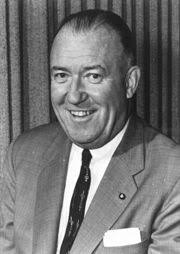
Walter A. Brown was a major figure in the early growth of professional basketball and one of the founding forces behind the Boston Celtics. As president of the Boston Garden, he helped establish the Basketball Association of America in 1946 and played a key role in the 1949 merger that created the NBA. Brown founded the Celtics in 1946 and served as their original owner and president, guiding the franchise through its early years.
He also helped bring the first NBA All-Star Game to Boston in 1951. Brown supported racial integration in professional basketball and played an important role in the Celtics selecting Chuck Cooper, the first Black player drafted by an NBA team, in 1950. During his ownership, Boston won six championships in the seven years between 1957 and 1964. His influence reached beyond the Celtics and helped shape the league itself.
Brown was inducted into the Naismith Memorial Basketball Hall of Fame in 1965 as a contributor.
Hobson's Awards and Honor
- Founded the Boston Celtics in 1946
- Helped establish the Basketball Association of America
- Helped create the NBA through the 1949 BAA–NBL merger
- Pioneered NBA Integration
- 6× NBA Champion as Celtics owner
- Originated the first NBA All-Star Game in 1951
NBA Teams
As Manager
Boston Celtics (1946–1964)
As Co-Founder
Basketball Association of America (BAA)- 1946
NBA Stats
Boston Garden President:
1937–1964
Boston Celtics Founded:
1946
Celtics Owner and President:
1946–1964
Helped establish the BAA:
1946
Helped form the NBA:
1949
NBA championships as Celtics owner:
6
Walter Davis
Inducted:
2024

Player Stats
Stats:
6 ft 6 in (1.98 m)
193 lb (88 kg)
Born:
September 9, 1954
Pineville, North Carolina, U.S.
Died:
November 2, 2023
Charlotte, North Carolina, U.S.
Position:
Shooting guard/ Small forward
College:
North Carolina (1973–1977)
Walter Davis was one of the smoothest scorers in NBA history, known for his effortless shooting stroke and ability to score from anywhere on the floor. Playing the majority of his career with the Phoenix Suns (1977–1988), Davis was a six-time NBA All-Star and the 1978 NBA Rookie of the Year.
His silky mid-range jumper and explosive scoring ability made him one of the most feared offensive players of his era.
Over his 15-season career, Davis scored over 19,000 career points, becoming Phoenix’s all-time leading scorer. Despite battling injuries later in his career, his impact on the game remained undeniable.
Davis' legacy as one of the greatest Suns players ever was cemented when the team retired his No. 6 jersey.
Davis' Awards and Honors
- 6× NBA All-Star (1978–1981, 1984, 1987)
- 2× All-NBA Second Team (1978, 1979)
- NBA Rookie of the Year (1978)
- NBA All-Rookie First Team (1978)
- 6 retired by the Phoenix Suns
- First-team All-ACC (1977)
- Second-team All-ACC (1976)
NBA Teams
Phoenix Suns 1977–1988
Denver Nuggets 1988–1991
Portland Trail Blazers 1991
Denver Nuggets 1991–1992
NBA draft:
1977: 1st round, 5th overall pick
Phoenix Suns
Numbers Worn:
6
NBA Stats
Seasons:
15
Games played
1,033
Points
19,521 (18.9 PPG)
Rebounds:
3,053 (3.0 RPG)
Field goals %:
51.1%
Assists
3,878 (3.8 APG)
FG%
51.1
FT%
85.1
Walter Kennedy
Inducted:
1981

Commish Stats
Born
June 8, 1912
Stamford, Connecticut, U.S.
Died
June 26, 1977
Stamford, Connecticut, U.S.
Position
Contributor
College
Notre Dame
Walter Kennedy was the second commissioner of the NBA (1963–1975) and the man credited with transforming a struggling, disorganized regional league into a multi-million dollar global powerhouse. Succeeding Maurice Podoloff, Kennedy brought a background in public relations and politics to the office.
Under his leadership, the NBA expanded from 9 to 18 teams, secured its first major national television contracts, and successfully navigated the intense "bidding wars" with the rival ABA. He was a man of immense integrity who modernized the league's officiating, increased player pensions, and vastly improved the league's public image.
For his transformative leadership during the NBA's most critical growth period, he was inducted into the Basketball Hall of Fame in 1981.
Kennedy's Awards and Honors
- Namesake of the J. Walter Kennedy Citizenship Award (established 1975)
- Distinguished Service Award from the National Association of Basketball Coaches
- Honorary Doctorate from several universities for his contributions to sports management
NBA
NBA Commissioner (1963–1975)
NBA Contributions
League Expansion:
Expanded from 9 to 18 teams
Television Pioneer:
NBA's first major network TV contract with ABC
Financial Growth:
Increased league attendance by nearly 400%
Legacy Award:
The J. Walter Kennedy Citizenship Award
Walter Meanwell
Inducted:
1959
Stats
5 ft 6 in (1.68 m)
Born
January 26, 1884
Leeds, England
Died
December 2, 1953
Madison, Wisconsin, U.S.
Position:
Coach
College:
University of Missouri
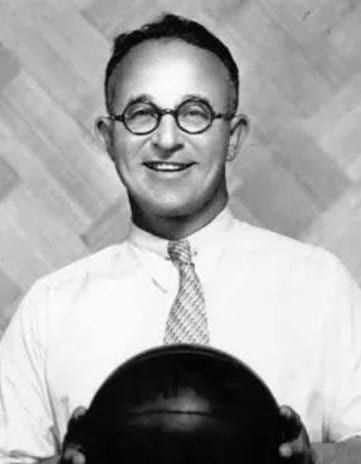
Walter Meanwell was one of the most influential coaches of the early 20th century and a pioneer in developing organized basketball strategy. He coached the University of Wisconsin and the University of Missouri, introducing a disciplined style based on short passing, crisscross dribbling and tight zone defense.
At Wisconsin, Meanwell led the Badgers to eight Big Ten championships and three teams that were later recognized as national champions by the Helms Athletic Foundation. He also served as a charter member of the National Association of Basketball Coaches and authored The Science of Basketball in 1924.
He was inducted into the Naismith Memorial Basketball Hall of Fame in 1959 as a coach.
Meanwell's Awards and Honors
- 8× Big Ten Champion with Wisconsin
- 3× Helms Foundation National Champion (1912, 1914, 1916)
- 2× MVC (1918,1920)
- Wisconsin won 44 of 45 games during his first three seasons
- Wisconsin Athletic Hall of Fame (1954)
- Guided Wisconsin to conference championships in 8 seasons
- Authored The Science of Basketball (1924)
Ward Lambert
Inducted:
1960
Stats
Born
May 28, 1888
Deadwood, Dakota Territory, U.S.
Died
January 20, 1958
Lafayette, Indiana, U.S.
Position
Coach
College
Wabash College (1909–1911)
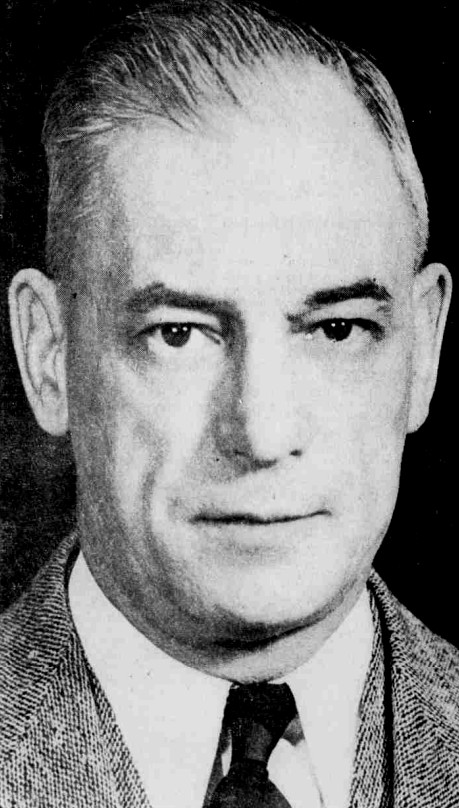
Ward "Piggy" Lambert was one of the most influential coaches in early American basketball history and the architect of Purdue University's rise as a national powerhouse. He coached the Purdue Boilermakers for 29 seasons, pioneering the fast-break style of play and emphasizing speed, precision, and disciplined execution. Lambert won 11 Big Ten championships, guided Purdue to the 1932 Helms National Championship, and mentored future legend John Wooden. Following his coaching career, he served as commissioner of the National Basketball League (NBL) and helped shape the evolution of professional basketball before the formation of the NBA. He was inducted into the Naismith Memorial Basketball Hall of Fame in 1960.
Lambert's Awards and Honor
- Helms Athletic Foundation National Champion (1932)
- 11× Big Ten Champion
- Esquire Magazine's Most Outstanding Coach (1945)
- Author of Practical Basketball (1932)
- One of the earliest influential basketball coaching books
- Served as Commissioner of the National Basketball League (1946–1949)
- Pioneer of the fast-break style of basketball.
NBA Teams
Purdue University (1916–1917, 1918–1946)
NBA Records
Career/Tenor:
1912-1946
Seasons Coached:
29
Career won:
371
Lose:
152
Win(%):
.709
Conference Championships:
11 Big Ten Titles
National Championships:
1 (1932)
Wayland Baptist University Teams Of 1948-82
Inducted:
2019
Player
Mildred Farris
Alva Jo Fischer
Ruth Cannon
Kay James
Cammy Ethridge
Nell Fortner
Marlene Connor
Ruth Cannon
Lillie Peyton
Nell Fortner
Coach:
Harley Redin
Claude Hutcherson
Cleyon Davis
Dean Weese
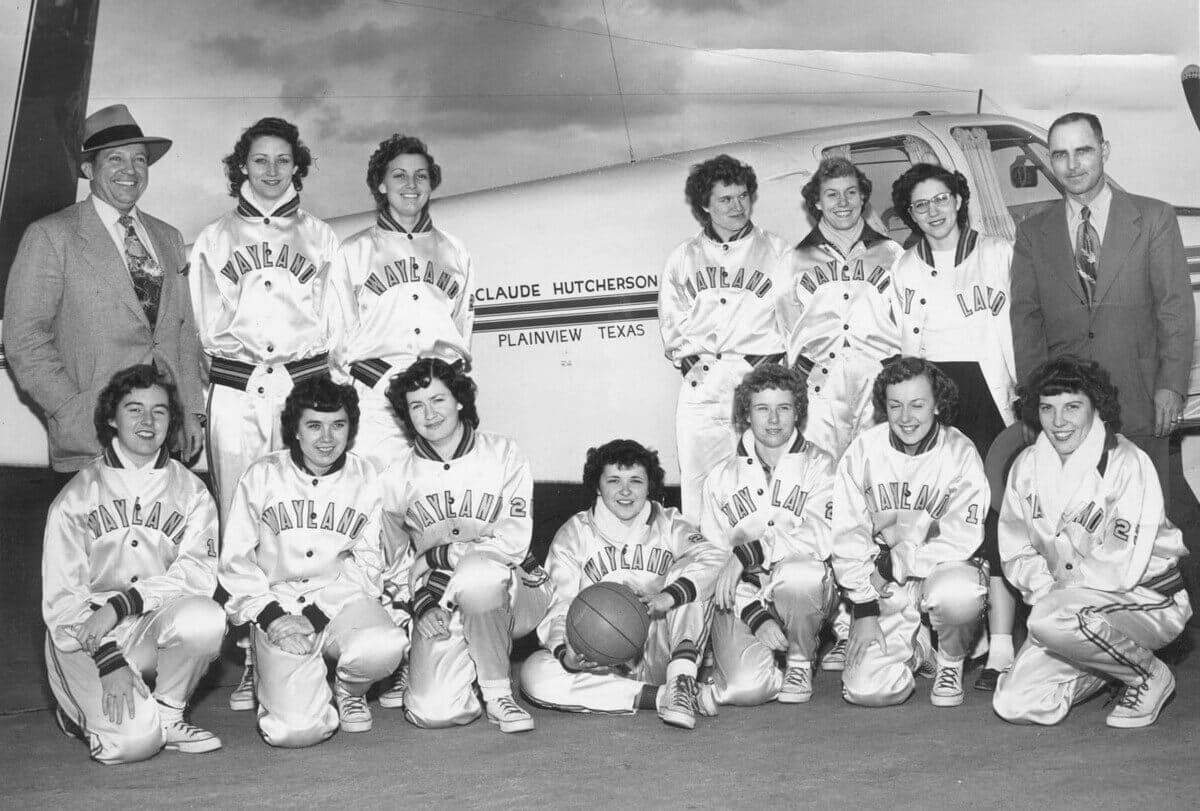
The Wayland Baptist Flying Queens from 1948 to 1982 stand as a historic powerhouse in women’s basketball, long before the NCAA or WNBA offered platforms for female athletes. Based in Plainview, Texas, the team became the first women’s basketball dynasty, known for unmatched excellence, innovation, and winning tradition.
Under coaches like Harley Redin, the Flying Queens dominated the AAU circuit, compiling a staggering 131-game winning streak (1953–1958)—still the longest in women’s basketball history. They won 10 national championships, developed structured training regimens, and were among the first to use full-court play and frequent travel by air, which earned them the nickname “Flying Queens.”
Sponsored by Hutcherson Air Service, their story paved the way for the future of women’s sports. The teams from this era were collectively inducted into the Naismith Memorial Basketball Hall of Fame in 2019.
Team's Awards and Honors
AAU Women’s National Championships Won (10 titles)
Team Record
Wins:
1,313
Losses:
268
Winning Percentage:
.830+
Wayne Embry
Inducted:
1999

Executive Stats
6 ft 8 in (2.03 m)
240 lb (109 kg)
Born
March 26, 1937
Springfield, Ohio, U.S.
Position:
Executive
College:
Miami (Ohio) (1955–1958)
Wayne "The Wall" Embry is one of the most significant pioneers in the history of professional sports management. While he was a five-time All-Star and an NBA champion as a player, his induction into the Hall of Fame in 1999 primarily honored his ground-breaking career as an executive. In 1972, Embry made history by becoming the first African American General Manager in NBA history (and in all of North American major league sports) when he took the reins of the Milwaukee Bucks.
Embry’s executive career was defined by stability, racial advocacy, and a keen eye for talent. He spent nearly a decade building the Bucks into a perennial contender before moving to the Cleveland Cavaliers, where he became the first Black Team President in 1994. In recognition of his groundbreaking career and lasting impact, Wayne Embry was inducted into the Naismith Memorial Basketball Hall of Fame in 1999.
Embry's Awards and Honors
- NBA Champion (1968, as player; 1971, as GM)
- NBA Champion (Advisor) (2019, Raptors)
- First African American NBA General Manager
- Naismith Memorial Basketball Hall of Fame inductee (1999)
- 2x NBA Executive of the Year (1992, 1998)
- John W. Bunn Lifetime Achievement Award
- Sports Illustrated Executive of the Year (1998)
NBA
Vice president/General manager/President/Advisor
NBA Team
Milwaukee Bucks (1971–1977)
Cleveland Cavaliers (1986–1999)
Toronto Raptors (2005–2006)
"Don't Just Watch the Game—Own the Look!"
Score the hottest drop of the season, from authentic Icon Edition jerseys to the latest sneaker releases and official team hoodies. High-performance gear for the ultimate basketball fan.
Get Your Gear – NBA Official Collection
NBA Hall of Fame
The NBA Hall of Fame, officially known as the Basketball Hall of Fame, is a prestigious institution that honors the greatest figures in the sport of basketball. Each year, the Induction ceremony celebrates legendary players who have made significant impacts on the game. The Hall of Fame class features basketball legends whose remarkable career achievements and iconic moments have defined the sport.
Inductees are recognized for their substantial player contributions, earning various awards and honors throughout their careers. The Hall also pays tribute to retired jerseys and acknowledges the profound impact on the game by highlighting the historic contributions of its members. With a focus on the legacy in basketball, the NBA Hall of Fame continues to celebrate excellence and inspire future generations of players through memorable speeches and recognition in sports.